Mars, Incorporated is introducing new versions of M&M’s and Skittles that do not contain artificial food dyes. These changes align with efforts to remove harmful additives by using natural alternatives like beet juice, turmeric, and spirulina.
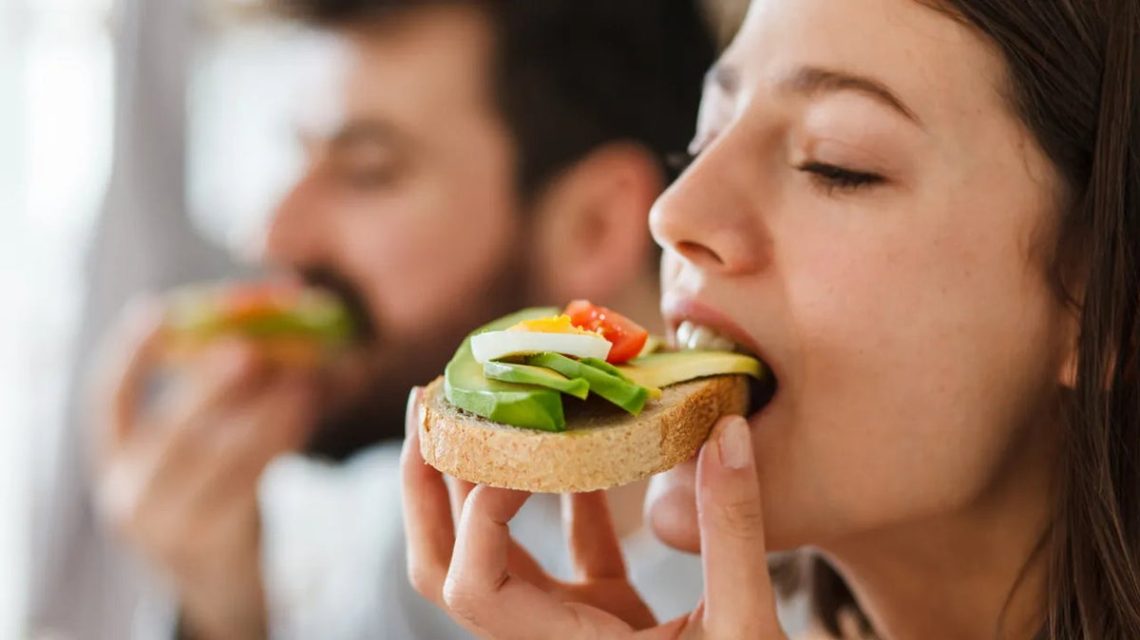
President Donald Trump has prioritized the Make America Healthy Again initiative, placing avocados at the forefront of this new food movement. However, challenges arise as California’s avocado growers struggle against increasing imports from Mexico.
California has about 3,000 avocado farmers who face strong competition from Mexican imports, impacted by cartel influence that affects local agriculture and communities. President Trump’s administration aims to support American interests, halt cartel activities, and prioritize the welfare of California’s avocado farmers.
California’s avocado farmers adhere to rigorous standards in labor, environment, and production. Despite this, they confront a surge in Mexican avocados during their harvest season from March to October. This influx disrupts the U.S. market, undermining local farmers and threatening their future. California Hass avocados, renowned for their taste and texture, stand as a preferred choice for many consumers.
Mexican avocado imports increased by 32% from January through mid-July of the current year compared to the same period in 2025. This rise poses a threat to California growers. Regulatory burdens on local farmers persist, while low-priced imported avocados hamper fair competition and risk domestic agriculture’s sustainability.
Reliance on foreign-produced agriculture undermines U.S. farming communities and food security. Acknowledging Mexican cartels’ control and extortion in avocado regions, Trump’s administration emphasizes preventing these issues from reaching American borders. The U.S. Embassy in Mexico suspended activities in August 2026 due to threats in the Michoacán region, highlighting the extent of cartel influence.
Various Mexican growers are victims of cartels rather than conspirators. However, unchecked imports from regions dominated by coercion and market manipulation harm American interests. A seasonal tariff-rate quota (TRQ) can offer a balanced solution, imposing higher tariffs only after a specific volume is reached annually.
The TRQ system provides a fair competitive environment for California’s farmers while ensuring a steady avocado supply in the U.S. USDA oversight should accompany this, ensuring imports meet safety and quality standards. If security for USDA inspectors in Mexico is inadequate, or orchard inspections cannot be assured, then import suspensions are necessary.
Creating a fair market for U.S. farmers ensures competitive parity without favoring those who bypass American regulations. Supporting local agriculture helps maintain food quality and security, benefiting consumers and communities alike. A well-designed TRQ fosters sustainable local agriculture, aligning with Make America Healthy Again objectives.
Andrew Gruel, founder of Slapfish restaurant and a councilman in Huntington Beach, along with Vince Fong, a representative for California’s 20th Congressional District, advocate for practical solutions to restore the vibrancy of California’s agricultural sector.
 Trump’s Executive Order on Birthright Citizenship Faces Legal Scrutiny
  Trump’s Call to Reduce Military Drills Concerns South Korea
  Empowering Young Leaders for a Just Democracy
  Understanding the Influence of Polls Across Various Sectors
  Four States to Decide on Property Tax Reduction Measures
  U.S.-Iran Negotiations: Developments in the Memorandum of Understanding