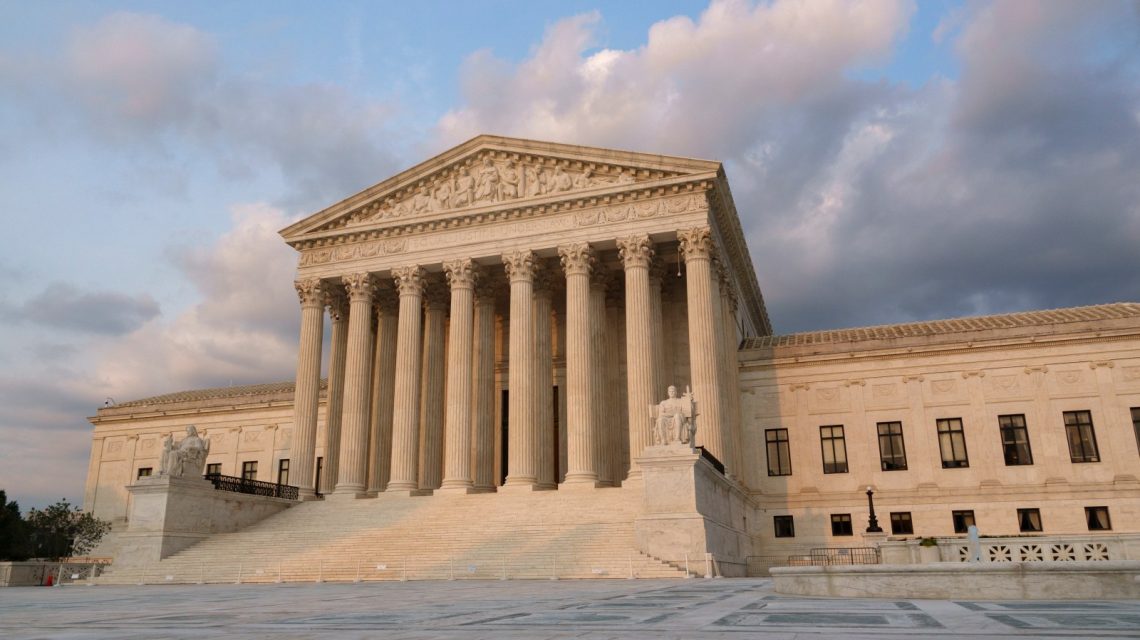
The Supreme Court has chosen not to step into the debate over a Biden-era immigration policy. This policy had given immigration judges the ability to pause some deportation proceedings temporarily. The decision upholds a court order that prevents the implementation of this regulation.
Democratic-led cities and a legal advocacy group sought urgent intervention to defend the policy. They argued that it was beneficial for crime victims and neglected juveniles. Representatives from Democracy Forward, along with Lynn Pinker Hurst & Schwegmann LLP, expressed their disappointment over the court’s decision.
The state of Texas challenged the practice of “administrative closure,” claiming it allowed immigrants to stay in the U.S. indefinitely. Texas, along with the prior Trump administration, had already agreed to a court order blocking the policy. Administrative closure lets judges put deportation cases on hold, aiding immigrants seeking humanitarian protections or other legal statuses.
Baltimore, Columbus in Ohio, New Haven in Connecticut, and Centro Legal de la Raza attempted to intervene in defense of the policy. Despite a judge rejecting their request, they filed an emergency appeal with the Supreme Court.
“For decades, these procedures have allowed immigration judges to temporarily pause deportation proceedings for people pursuing lawful immigration relief, including survivors of violence, abused and neglected children, and victims and witnesses who cooperate with law enforcement,” the defenders stated.
They warned that eliminating such protections could increase the risk of deportation for vulnerable people and compromise public safety in various communities.
The Justice Department recommended against the appeal, indicating the applicants lacked the legal standing needed. Solicitor General D. John Sauer’s filing suggested the cities’ intervention was a broader challenge to the settlement without demonstrating immediate legal harm.
The National Immigration Law Center criticized the decision, suggesting it upheld an inequitable immigration policy. Lynn Damiano Pearson, legal strategy director at the Center, stated that without administrative closure, judges might need to issue deportation orders to those on the verge of lawful status due to processing delays.
 Addressing Homelessness in Los Angeles: Can Nithya Raman Succeed?
 Republican Redistricting Strategy Fails
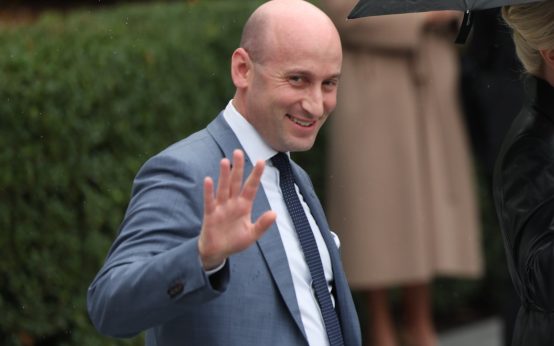 Stephen Miller’s New Role as Trump’s Chief of Staff
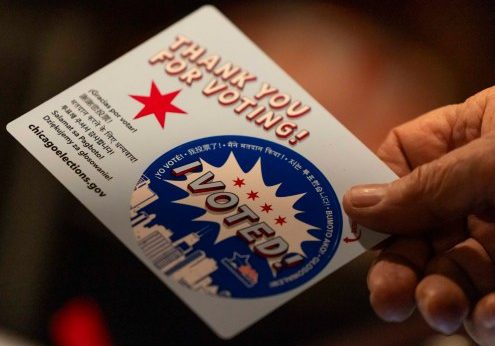 Mike Bost Secures Reelection in Illinois’ 12th District
 Controversy Surrounds Trump’s Decision to Appoint Stephen Miller as Chief of Staff
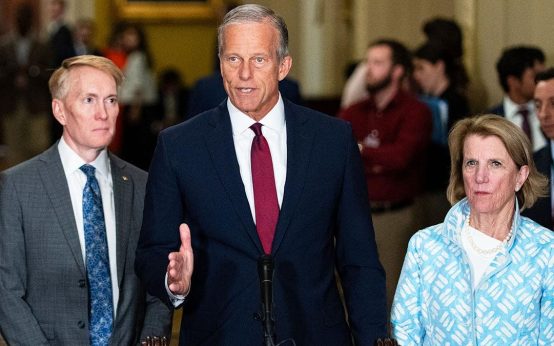 Judicial Confirmations Before Senate Transition