Last month, the U.S. Supreme Court ruled on the use of geofence warrants, restricting how authorities can access people’s location data. As a former Chicago police officer, I would have signed these warrants without hesitation, and this decision marks the beginning of an important conversation.
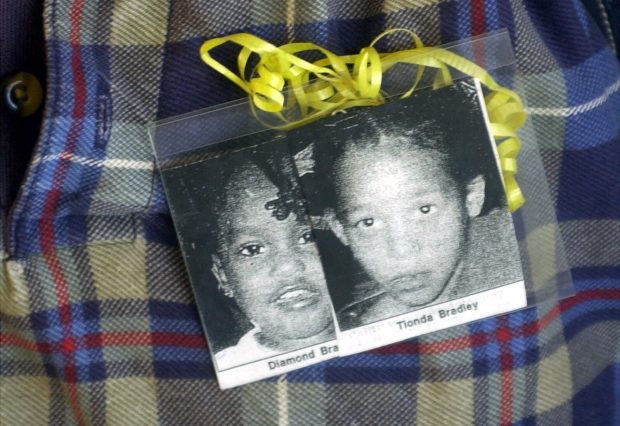
Back on July 6, 2001, I had been in the police force for eight years when Tionda Bradley, 10, and Diamond Bradley, 3, disappeared from their home near 35th Street and Cottage Grove Avenue. I was assigned to the North Side, but the news spread to all officers in Chicago, and we were eager to join the search efforts. A security guard at Doolittle West Elementary School shared photos of the missing sisters, reflecting the urgency of the situation.
The thought of using drones crossed my mind during events like the Highland Park Independence Day parade mass shooting in 2022. Drones were available, but restricted by law. This law has now changed, showing the complexity of evolving technology and its legal implications.
The Supreme Court’s consideration of geofence warrants in a robbery case in 2019 highlights another technological challenge. These warrants allow investigators to gather device data in a specific location at a specific time, aiming to identify individuals present during a crime. This powerful tool can reveal much more than immediate locations, potentially mapping an individual’s entire life: their hospital visits, political activities, places of worship, and personal interactions.
The main question is not whether such investigative tools should exist. They should. However, meaningful limits must be established before these extraordinary powers become routine practice. During my time on the job, constitutional considerations were secondary to solving cases. This outlook can lead to dangerous assumptions about digital data, which can reconstruct lives rather than merely placing someone at a crime scene.
“The privacies of life” are protected under Carpenter v. United States, emphasizing the need for operational frameworks beyond constitutional floors. Recent changes in data storage policies by Google further complicate compliance with geofence warrants, signaling future questions unless Congress intervenes.
Instead of banning geofence warrants, we need to confine them. Issuing a warrant for a bank robbery should involve devices within a reasonable radius and time window. It must not extend city-wide or encompass whole days. Comparable principles govern physical searches, where warrants specify particular houses and connected records, avoiding expansive searches.
Technological tools like drones and license plate readers have faced similar scrutiny, with promises of limited use expanding over time, reflecting community resistance and surveillance fears. The core issue is ensuring frameworks endure beyond immediate needs, resisting misuse and lack of oversight from different administrations or private contractors.
Explicit statutory limits are necessary to maintain control, ensuring justice and liberty coexist with technological advancements. The Constitution sets foundational guidelines, and it’s vital for Congress and police departments to implement frameworks that include judicial supervision, data deletion, and accountability.
While I would have signed that warrant for cases like the Bradley disappearance and Highland Park, clear guardrails are essential. The toughest constitutional choices arise when situations demand urgent action. Technology must continue serving justice and liberty long after emergencies are resolved.
Author Louis Martinez is a retired Chicago Police Department officer, criminal justice professor, and unmanned aircraft systems coordinator at Oakton College. He has authored “The Violent Brain: A Study in Neurocriminology.”
 Surrogate Mother’s Legal Battle Reaches U.S. Supreme Court
  Subpoena Issued for Former CIA Director Brennan
  Maryland Authorities Analyze GPS and Phone Data to Solve Shooting Case
  Penn State Fraternity Coke Bust Unveils Growing Stimulant Use Among Youth
  Investigation Continues in Nancy Guthrie’s Disappearance
  Calumet City Clerk Files Lawsuit Alleging Conspiracy and Malicious Prosecution