WASHINGTON (AP) — A new survey by the Associated Press-NORC Center for Public Affairs Research shows that most Americans face scam attempts daily, with about three in ten losing money or personal information. The February poll sheds light on the daily challenge U.S. adults confront as they screen calls and messages to determine their legitimacy.
Another survey by Gallup and the Stop Scams Alliance provided exclusively to AP offers additional insights. It shows that last year, one in ten U.S. adults or their household fell victim to scams, often losing over $500. Many victims do not report these scams, believing it won’t recover their losses.
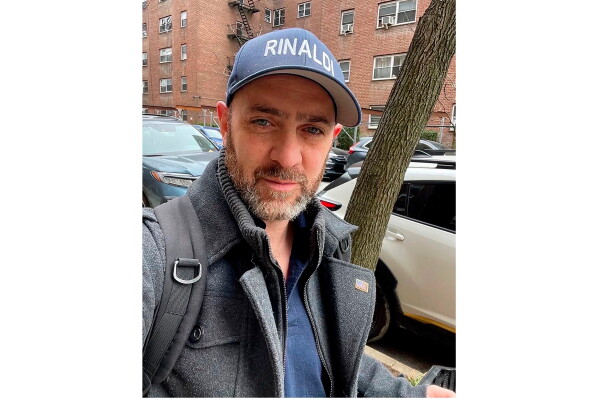
“You’ve got to be pretty sophisticated these days,” said Adam Pratter, 42. He faced issues on dating apps, sending money to someone claiming a military deployment overseas.
Pratter believes that banks, social media companies, and the government should do more to protect those scammed. He suggests federal regulation could help in recovering lost funds.
Prevalence of Scam Attempts
According to surveys, the majority of Americans are flooded with scam attempts. The AP-NORC poll found 58% of U.S. adults receive suspected scam messages daily, and the Gallup survey noted that two in five Americans encountered daily attempted scams last year.
Porschel Smith, 22, receives multiple scam calls daily. “They mention nonexistent programs,” she says, recognizing scams.
Older adults report daily scam contacts more than younger ones. About 70% of persons aged 60 and older receive daily scam attempts, compared to 40% of those under 30.
Common scam methods include package shipment and banking notifications. Social media platforms like Facebook, Messenger, WhatsApp, and Instagram are frequent avenues for scams.
Scam Impact
The AP-NORC survey shows half of U.S. adults know someone who lost money due to scams, while Gallup reports one in ten experienced financial scams in their households.
Towonna Harris, 50, recalls scams affecting her family, including promises for tuition money in exchange for credit card charges.
Losses from scams ranged between $125 and $2,000 last year. One in ten adults experienced scams multiple times.
Reporting Scams
While most adults see scams as a significant threat, few believe the government takes sufficient steps to address the issue. About 80% feel government efforts are inadequate.
Instead of law enforcement, victims often turn to financial institutions for help, with 55% reporting scams to banks and only 18% to police.
Gallup highlights general uncertainty about where to report scams, with many believing reporting won’t aid in recovery. Only one-quarter of adults are confident in reporting scams to law enforcement, though a majority know how to report to banks.
Max Anderson, 23, shares his parents’ experience of being scammed and receiving FBI assistance, emphasizing government intervention’s importance.
The AP-NORC poll conducted February 19-23 included 1,133 adults, with an error margin of +/- 4.0 percentage points. The Stop Scams Alliance-Gallup poll conducted January 8-February 18 surveyed 5,173 adults, with an error margin of +/- 1.4 percentage points.
Reporters Mary Rajkumar, Juliet Linderman, Erika Kinetz, and Molly Wallace contributed to this report.
 Elderly Mississippi Man Fatally Shot with Own Gun During Home Invasion
  Ukrainians in the U.S. Face Uncertainty Over Work Status Amid Policy Changes
  Chicago Area Events on October 19
  Pope Leo XIV Resumes Duties After Lung Cancer Surgery
  U.S. Calls for Action After Journalist Attack in West Bank
  Community Rallies for Detained Immigrant