
In earthquake disasters, surviving under rubble depends on several factors. These include weather conditions, access to water, and availability of air. If injuries are mild, individuals might endure over a week as long as the climate remains moderate.
Rescue teams in western Colombia are racing to find survivors two days after a strong earthquake. Experts note that most survivors are found within the first 24 hours. Survival chances decrease significantly beyond this period. Victims often suffer severe injuries or get buried under debris.
Remarkable rescues include a teenager and his grandmother found alive after nine days under their collapsed home in Japan following the 2011 earthquake and tsunami. In another instance, a 16-year-old was rescued in Haiti after 15 days of entrapment.
A vital survival element is being caught in a ‘survivable void space.’ According to Victor Tsai, a geophysicist from Brown University, such spaces shield trapped individuals from major injuries.
However, survival odds may diminish if there are fire, smoke, or hazardous chemicals surrounding the debris, says Dr. Joseph Barbera, an emergency response expert from George Washington University. Access to breathable air and drinkable water becomes critical over time. Barbera states that while humans can survive longer without food, water is essential for shorter survival spans.
Temperatures also play a role, affecting both survivors and rescue efforts. In Colombia, the majority of earthquake fatalities have been reported in urban centers such as Cali and Pereira. However, less information is available regarding the rural impact.
Yet, hope persists, like the case of a 32-year-old woman rescued 36 hours post-collapse in Pereira.
Barbera emphasizes the importance of providing crucial medical care to survivors before extracting them from rubble. Neglecting this may cause shock due to toxin buildup from crushed muscles.
What to Do During an Earthquake
Best practices for earthquake survival differ globally. Regions with fault lines often have building codes engineered to endure earthquakes, though this isn’t universal.
In countries like the U.S., it is advisable to drop to the ground, take cover, and hold on unless near an exit. Being under a hefty table or near sturdy furniture may create a protective void if structures collapse. Use cloth or a mask to shield your face from dust and debris.
If trapped, conserve energy and avoid overexertion. Ration food and water, respond to rescue calls, and utilize nearby objects to make noise. With a mobile phone, conserve the battery and attempt calls for help in brief daily intervals.
Support for this content was generously provided by the Howard Hughes Medical Institute’s Science and Educational Media Group and the Robert Wood Johnson Foundation, though the Associated Press maintains full responsibility for the content.
 Pro-Data Center Party Sparks Controversy Amid Nationwide Construction Debate
 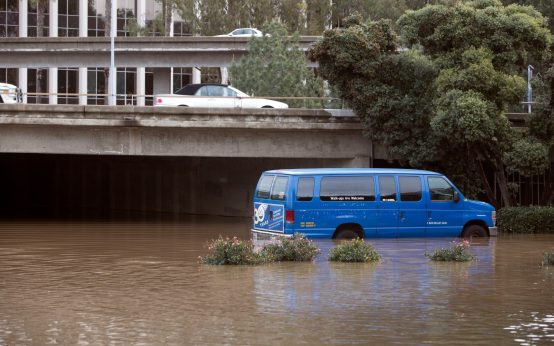 El Niño Could Increase Flood Risk Across Parts of the U.S.
  The Impact of Tibet-Nepal Floods and China’s Role
  Underwater Discoveries: Exploring the Lost Town of Shipden
 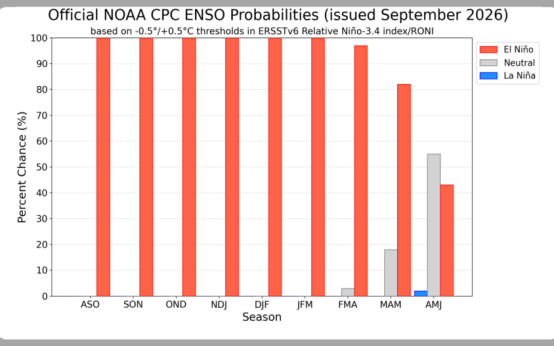 El Niño Forecast: Long-lasting and Powerful Impacts on Weather Patterns
 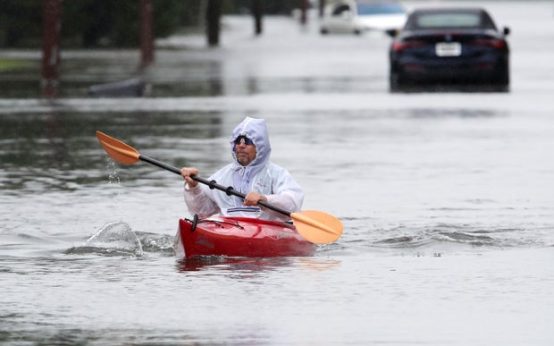 Nor’easter Pummels U.S. East Coast with Heavy Rain and Strong Winds