
The decision to start a family is deeply personal. For many, the dream of having a child embodies profound hope and anticipation. However, this issue has become a focal point in the national dialogue, highlighting the complexities involved in family building.
In modern America, families often face financial and legal hurdles. These barriers can make the path to parenthood difficult, and at times, inaccessible to many aspiring parents. The traditional routes, such as natural conception and adoption, come with their own set of challenges and expenses.
Medical procedures like in vitro fertilization (IVF) add another layer of complexity. The costs of these procedures can be prohibitive. Legal processes involved in adoption can be equally daunting and expensive.
The essence of this national conversation is clear: no one should have to rely on winning a financial or legal lottery to experience the joy of parenthood. The hope is for solutions that address these barriers, making family building less about chance and more about choice.
Recognizing the importance of this issue requires understanding the policy and legal structures affecting family building. Thoughtful policy changes could ease financial burdens and streamline legal processes. These changes would pave the way for more accessible pathways to parenthood.
As the country continues to discuss and grapple with these issues, the focus remains on supporting the dreams of millions of Americans. The goal is to create a society where hopeful parents are empowered to hold their own child for the first time without undue financial or legal obstacles.
 Florida Grand Jury Report Highlights Misuse of Medicaid Funds
 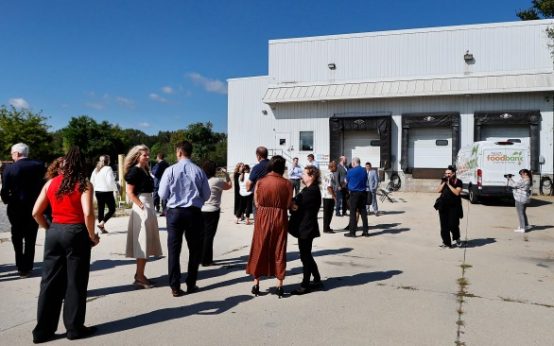 Food Bank’s New Facility Boosts Capacity
  Deportation of Father and Son Sparks Controversy
  Trump’s Stance on Data Centers Amid GOP Skepticism
 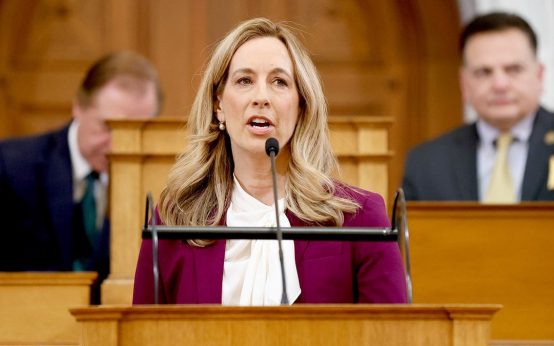 Republican National Committee Challenges New Jersey on Voter Roll Errors
 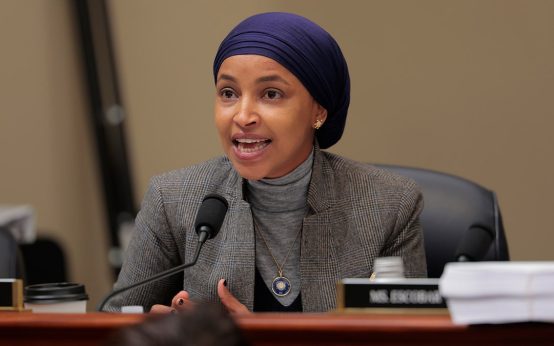 Police Raid at Home of Rep. Ilhan Omar’s Son Sparks Online Reactions