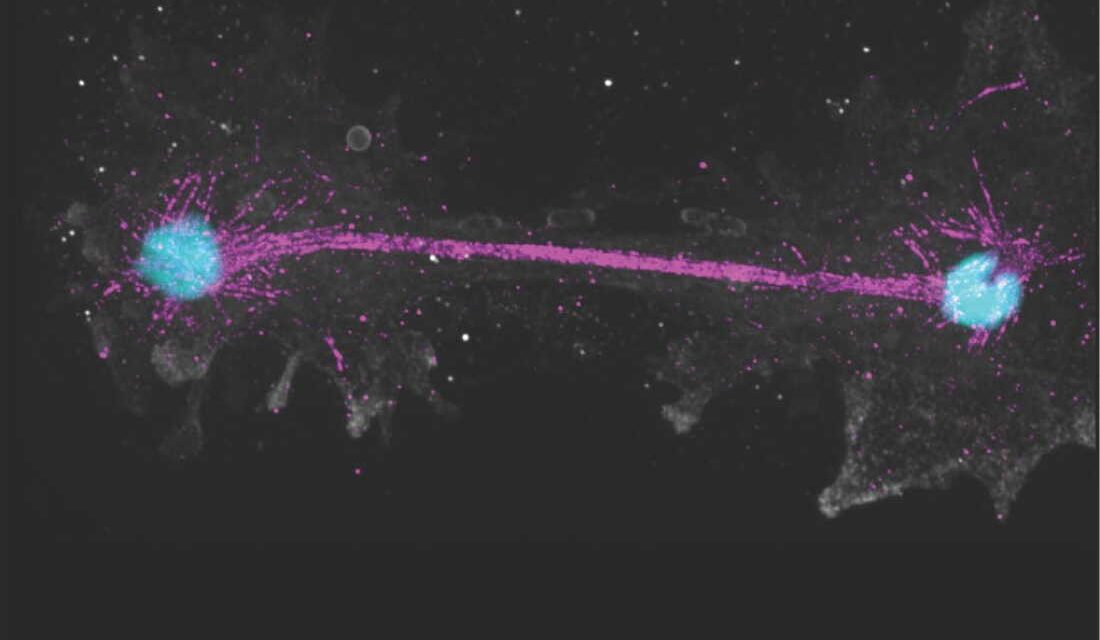
Introducing a New Extremophile
Incendiamoeba cascadensis, also known as the “fire amoeba of the Cascade mountain range,” sets a new benchmark for eukaryotic life. This single-celled organism has made an important mark by replicating at temperatures reaching up to 145°F, breaking previous records for complex life forms.
Discovery and Significance
Angela Oliverio, a microbiologist from Syracuse University, explores the boundaries of life. Her interest lies in understanding extremophiles, organisms that flourish in severe environments like high temperatures. Typically, simple organisms such as bacteria and Archaea are known to survive extreme heat, in some cases up to 212°F. However, the ability of eukaryotes, organisms with complex cells including a nucleus, to withstand similar conditions has been understudied until now.
Research Expedition
Beryl Rappaport, a PhD student in Oliverio’s lab, reported that a search led by their team in Lassen Volcanic National Park in northern California unveiled the fire amoeba. Using extra-long tongs, they collected samples from Hot Springs Creek, an inconspicuous waterway amidst tall grasses. Back in the lab, examination under a microscope showed movement characteristic of an amoeba, confirming the discovery of Incendiamoeba cascadensis.
Unveiling Unique Characteristics
This amoeba not only replicates at 145°F but retains fluidity up to 147°F and tolerates temperatures as high as 158°F. Analysis of its genome revealed unique adaptations, helping it maintain proteins and membranes in extreme heat.
Impact on Scientific Exploration
Understanding these adaptations opens up possibilities for life beyond Earth and could lead to practical applications such as heat-resistant crops and pharmaceuticals. Debashish Bhattacharya, an evolutionary biologist from Rutgers University, mentioned that extremophiles, like bacteria, often have streamlined genomes to cope with harsh conditions. Surprisingly, the fire amoeba defies this trend, boasting a larger genome, suggesting a unique evolutionary path.
The Future of Extremophile Research
The documented discovery of Incendiamoeba cascadensis marks a significant step in extremophile research. Oliverio envisions more scientists pursuing complex organisms with exceptional abilities, potentially setting new temperature records. This discovery serves as an opening chapter to what might be an extensive story in understanding life’s limits.
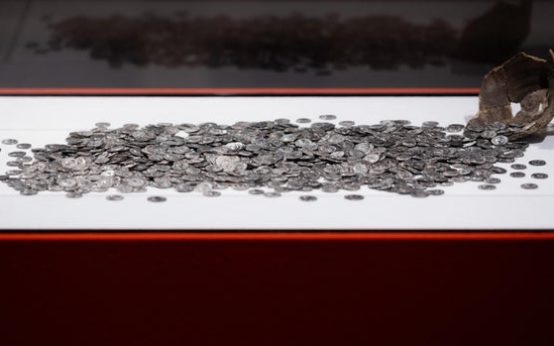 Archaeological Discovery in Germany: Largest Hoard of Roman Coins Found
  Hurricane Formation and Strengthening
 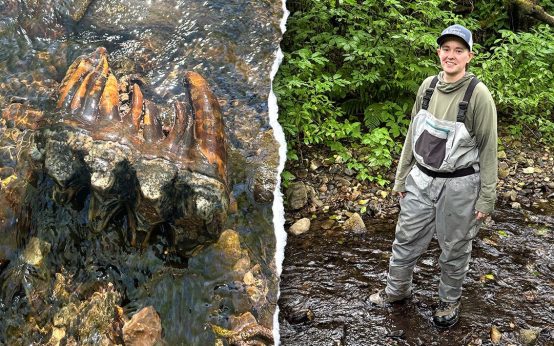 Ancient Mastodon Tooth Unearthed in California Creek
 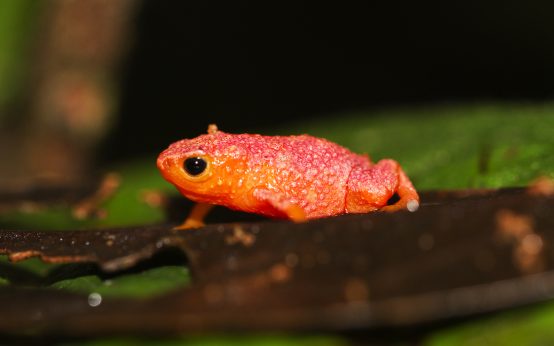 The Tiny World of the Pumpkin Toadlet
  Chimps and Self-Medication: Insights from Gombe Stream
  Rovelli Challenges Physics with Relational View