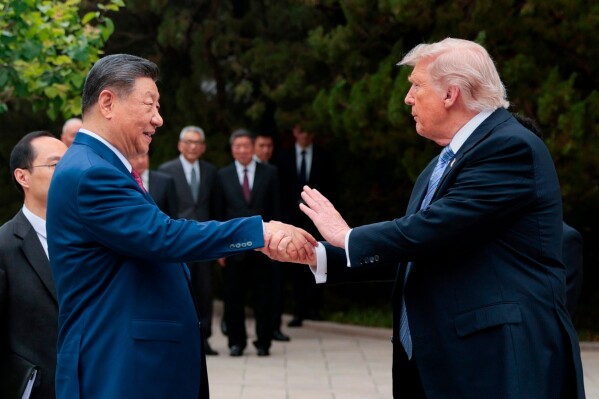
In 2015, Stephen Colbert first hosted ‘The Late Show’ and aimed his comedic prowess at Donald Trump. Colbert’s satire often involved indulging in Oreos as he critiqued Trump, emphasizing his comedic resistance to the political figure. He boldly stated that he didn’t need Trump’s antics to run a successful TV program, presenting himself as the dignified alternative on television.
Over the years, Colbert’s criticism of Trump remained a staple of his show. Despite the resistance and pressure, his late-night program evolved into a sharp critique of the former president’s policies. This on-air feud culminated in Trump labeling Colbert as a ‘dead man walking.’
“The legacy of this show needs to be remembered as the show that was canceled because a presidential administration wanted it off the air,”
Despite CBS stating economic reasons for ‘The Late Show”s May cancellation, rumors of political influence persisted. Stephen Colbert’s skepticism grew after CBS’s parent company Paramount paid $16 million to settle Trump’s lawsuit over a controversial interview. Trump showed delight at the cancellation, speculating other hosts might meet similar fates.
Historically, television has seen political pressures before. In 1969, CBS canceled ‘The Smothers Brothers Comedy Hour’ due to its opposition to the Vietnam War and civil rights support, making Colbert’s show’s end feel familiar. Although initially met with skepticism for his satire-driven persona on ‘The Colbert Report,’ Colbert’s tenure left a mark.
Late-night comedians like Colbert created unique perspectives on current events, often offering humor amid overwhelming situations. Dustin Kidd, a sociology professor, pointed to this important use of comedy in political critique.
Colbert incorporated his personal beliefs and humor, including his Catholic faith, into ‘The Late Show.’ Programs featured global affairs in ‘What’s Going On Over There?,’ technology in ‘Cyborgasm,’ and youth slang in quirky segments.
The impact of losing ‘The Late Show’ is noted by figures like Neil deGrasse Tyson, who appreciated Colbert’s segment ‘The Sound of Science,’ highlighting scientific discoveries. As networks adjust, Byron Allen’s ‘Comics Unleashed’ promises less political content, but fans of Colbert’s approach lament the change.
A popular figure among Catholics, Colbert frequently engaged with religious topics, discussing faith and mortality with guests in ‘The Colbert Questionert.’ His moral stance and advocacy for Catholic values, particularly freedom of speech, drew admiration.
Colbert’s love for J.R.R. Tolkien was evident in his career, becoming a champion for the author’s works. Duane Cronkite applauded this influence on fans and his inspiration to new readers through enthusiastic support.
As Colbert transitions from TV, his co-writing project for a ‘Lord of the Rings’ movie keeps his passion alive. Stephen Colbert’s remarkable legacy—as a comedian, commentator, and fan of fantasy—continues beyond ‘The Late Show.’
 Celebrating Two Decades of ’30 Rock’: A Cultural Analysis
  Wynonna Judd’s Struggle with Her Daughter’s Addiction
  Screencaps: Unique Sports and Pop Culture Insights
  Olivia Rodrigo Embraces Politics with Women-Focused Music Festival
  Comedy Writer Targets Megyn Kelly with Satirical Website
  Miranda Lambert Reflects on Her Struggle for Recognition in Country Music