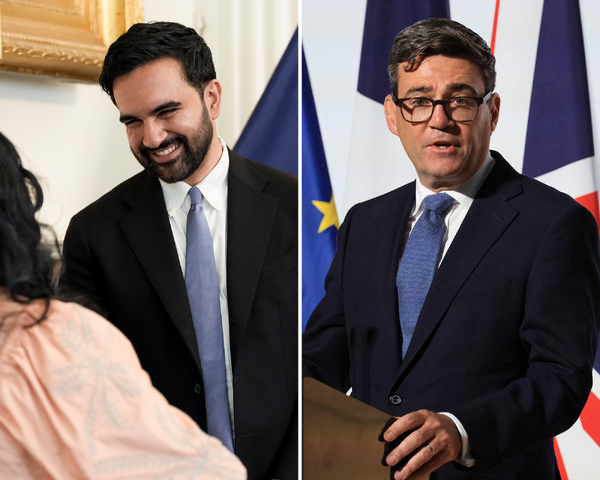
Zohran Mamdani’s Popularity
Recently, when I interviewed Zohran Mamdani, the New York City mayor, his enduring popularity became evident. Over six months after taking office, he holds a 58 percent approval rating, a level of support many national leaders can only aspire to attain.
While some of Mamdani’s popularity can be attributed to his skills and quick implementation of popular initiatives, there is a possibility that part of his success comes from his position as a mayor. This raises the question: are mayors uniquely poised to buck the global anti-incumbency trend?
Global Trends in Mayoral Approval
Mayors globally, regardless of political affiliation, seem to defy the anti-incumbency trend observed in recent years. While national leaders struggle to maintain voter trust, mayors excel. Eduardo Paes, a center-right former mayor of Rio de Janeiro, secured over 60 percent of the vote to win a fourth term in 2024. Similarly, Andre Dickens, Atlanta’s center-left mayor, achieved an overwhelming 85 percent re-election vote the following year.
Despite the existence of mayors who face corruption allegations or are voted out, many sustain voter confidence longer than their national counterparts.
“We live in anti-incumbent times. Yet, local politicians like Mamdani shine.”
The continued success of mayors prompts a crucial examination. Can national leaders learn from this ‘mayor magic’ to reconnect with disenchanted voters?
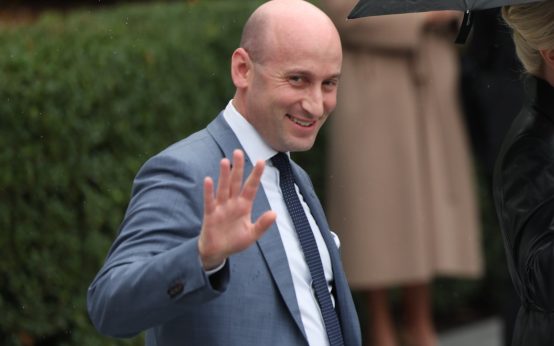 Stephen Miller’s New Role as Trump’s Chief of Staff
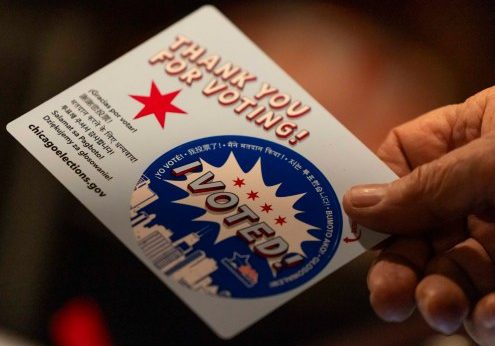 Mike Bost Secures Reelection in Illinois’ 12th District
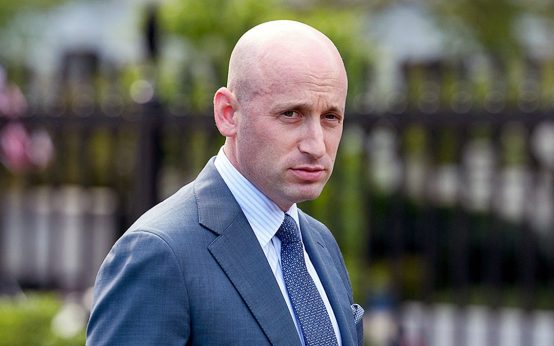 Controversy Surrounds Trump’s Decision to Appoint Stephen Miller as Chief of Staff
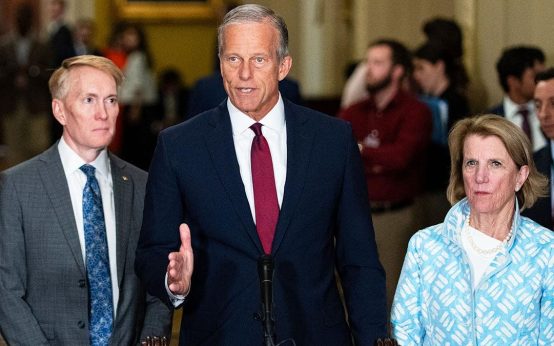 Judicial Confirmations Before Senate Transition
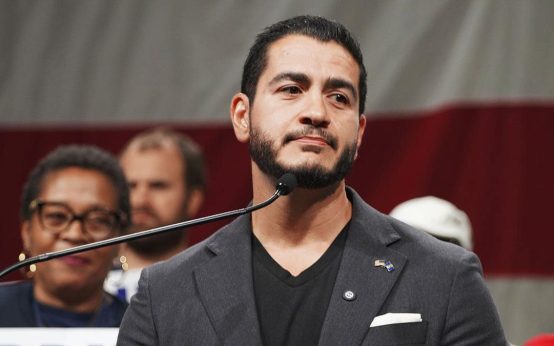 Abdul El-Sayed Reflects on Election and Communication Strategy
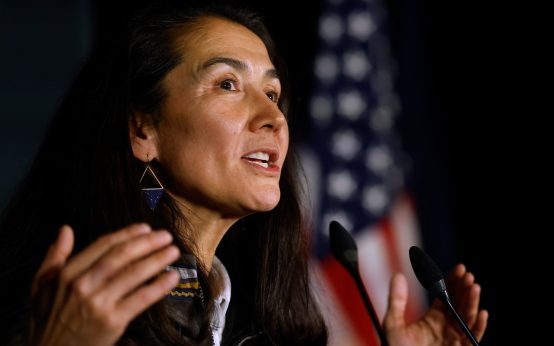 Contentious Senate Races: Alaska and Mississippi Updates