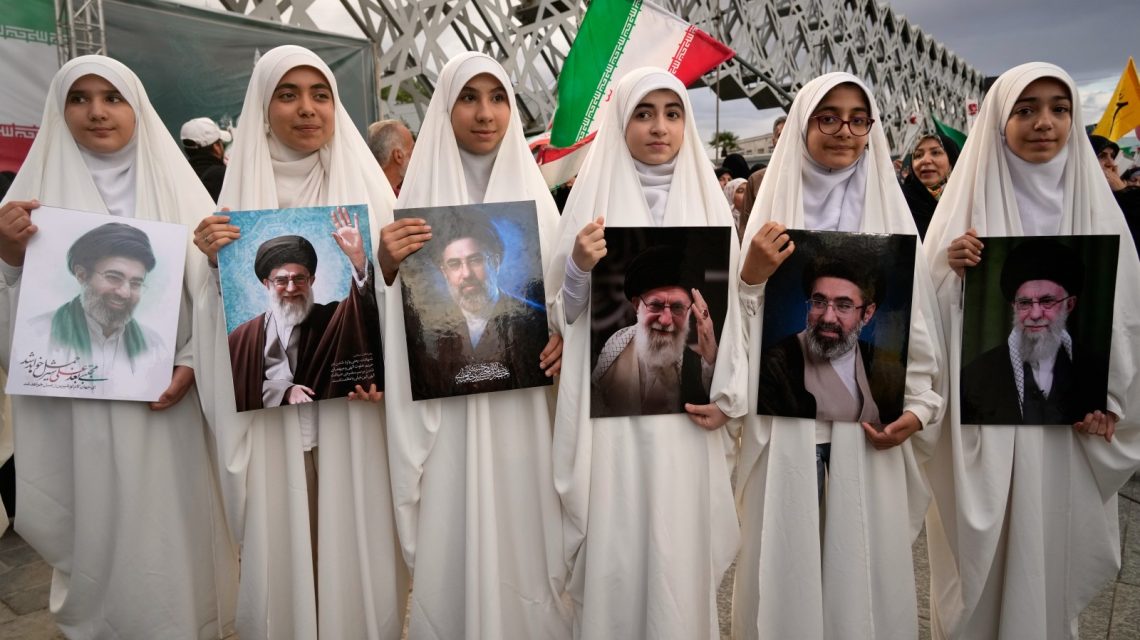
Mojtaba Khamenei, the supreme leader of the Islamic Republic of Iran, remains missing. His whereabouts have been unknown since the assassination of his father, Grand Ayatollah Ali Khamenei, in a U.S.-Israeli strike in February. Even key events like his father’s state funeral and his own inauguration have not brought him into public view.
Reports about Khamenei Jr. suggest he is both severely injured and still influential, a paradox that complicates Iran’s political landscape. The ambiguity surrounding his absence raises questions about Iran’s governance and negotiations with the U.S.
Tracking the Ayatollah
Recent months have been chaotic for Iran, with military confrontations and economic instability. Understanding Khamenei’s absence requires a look at the timeline of these events.
From Leader to Legend?
The disappearance of a head of state, like Mojtaba Khamenei, is rare. In Iran, it may enhance his influence due to religious beliefs among the Shia Muslim majority. Shia Islam holds that the Twelfth Imam has been absent for over 1,200 years but remains spiritually pivotal.
Peiman Salehi, an Iranian political analyst, noted that Ali Khamenei is remembered in mythic terms. Mojtaba’s occasional public messages may serve as a source of spiritual unity, although he doesn’t make day-to-day decisions.
Khosro Isfahani, from the National Union for Democracy in Iran, adds a significant caution. He believes military and intelligence leaders are creating a myth around Khamenei as a means of control.
“Mojtaba is an impotent young cleric, incapable of managing internal tensions as his father did. His absence is a blank canvas for the regime’s security forces,” he said.
Filling the Vacuum
Mojtaba Khamenei, unlike his father, lacks influence. Since the death of the Islamic Republic’s first supreme leader, power dynamics have evolved with no single dominant figure.
Andreas Kreig, a Middle East expert, notes that Iran is now governed by various factions, including the IRGC, rather than a single leader.
“The IRGC controls military operations and intelligence, occupying space a functioning supreme leader would,” Kreig stated.
Mohammad Bagher Ghalibaf, Iran’s parliamentary speaker, has also gained prominence, serving as a negotiator with the U.S., but he relies on IRGC support.
Aggressive Negotiations
Iran’s complex demands in negotiations with the U.S. show its tolerance for economic and military pressure. Control over the Strait of Hormuz provides leverage over Western powers.
Peiman Salehi highlighted the significance of the strait being more than an economic tool; it’s a strategic instrument for pressuring Western governments.
Kreig added that domestic power struggles influence Iran’s negotiation stance, further complicating talks with the Trump administration.
Public Sentiment and Leadership
Despite reactions from the U.S. urging regime change, Iranian society has rallied behind its government, partly due to cultural solidarity against foreign interference.
Palehi mentioned that aggressive foreign actions unify Iranian society, which, despite its grievances, supports the regime in crises.
Isfahani points out that popularity isn’t critical to governance within the Islamic Republic. Mojtaba’s lineage supports his symbolic leadership.
Kreig noted skepticism among Iranians towards Mojtaba, as he lacks a strong public persona and political connection.
Security Concerns
Questions about Mojtaba returning to a public role persist. His disappearance is largely due to security concerns rather than injury.
Kreig and Salehi agree he’s in a secure environment within Iran. They also doubt rumors of his death or relocation abroad.
The IRGC and intelligence agencies control Khamenei’s environment and information access. This control restricts his influence, making a comeback challenging.
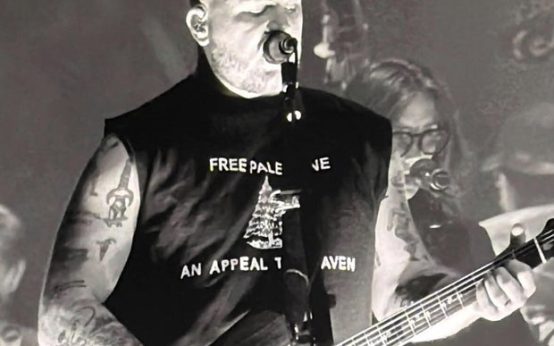 Musician Zach Bryan Wears ‘Free Palestine’ Shirt at Gillette Stadium Concert
 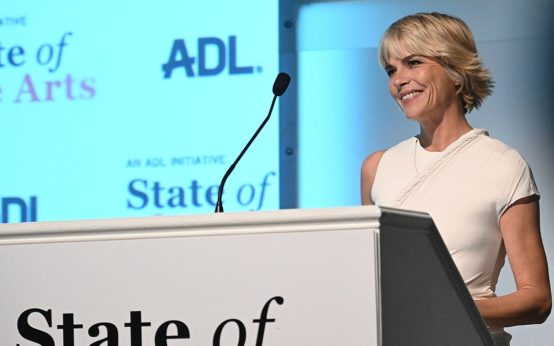 Celebrity Comments Spark Controversy and Career Consequences
  Suspected Plague Outbreak in Siberia: A Detailed Report
 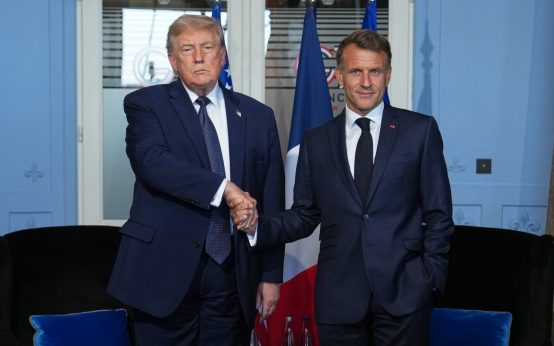 G7 Nations Agree to Release 100 Million Barrels of Oil Amid Rising Fuel Prices
  U.S. Initiates Military Reinforcement at Mexico Border
  Attempted Hijacking on FlyDubai Flight 1073