
As America approaches its 250th anniversary, a significant event unfolds: nearly 35 million Americans will cast votes in newly redefined congressional districts for this year’s midterms. These changes come amidst fierce debates over political maps, bringing the long-standing practice of gerrymandering into focus.
Origins of Gerrymandering
Gerrymandering, a term dating back over two centuries, refers to manipulating electoral boundaries to favor specific political parties or candidates. Its name originates from a tactic used by Massachusetts Governor Elbridge Gerry in 1812, where a district was contorted to benefit his party. This manipulation of district boundaries has been a persistent element in the political landscape.
The Potency of Gerrymandering
Despite its age, gerrymandering remains a potent tool in American politics. By reshaping districts, political parties can maintain control over electoral outcomes, reducing competitive races and often marginalizing voter influence. This manipulation can lead to districts with an uneven distribution of voters, skewing election results towards one party, irrespective of the broader voter’s preferences.
Modern Implications
Today’s gerrymandering faces new challenges and increased scrutiny. Technological advancements allow for precise mapping and data analysis, enhancing the ability to draw favorable districts. However, it also opens the process to public examination, calling for more transparency and fairness in how districts are shaped.
Understanding the contentious history and evolving techniques of gerrymandering offers insight into its ongoing influence in American politics. As the nation matures, confronting gerrymandering’s implications remains crucial to ensuring fair and representative electoral processes.
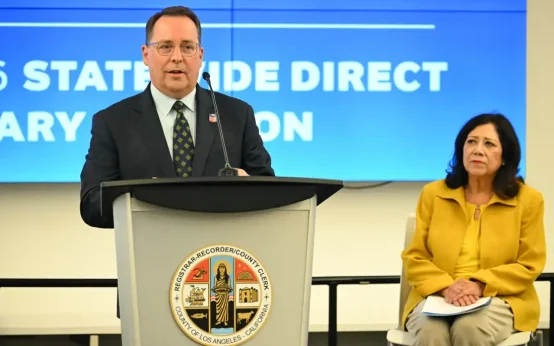 Tensions Rise Between DOJ and California Over Voter Rolls
 Colorado Family Challenges Denial of Preschool Benefits Based on Religious Choice
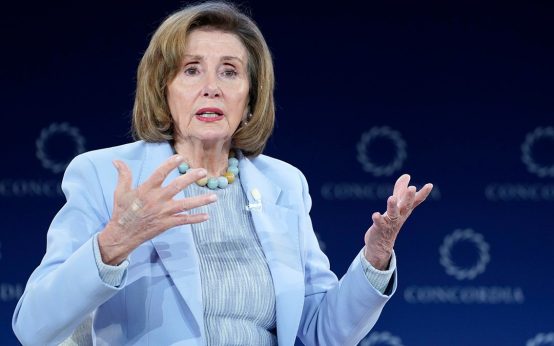 Pelosi Criticizes Colleagues’ Views on Israel
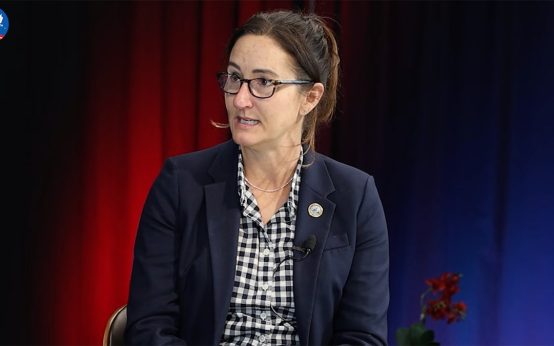 Minnesota’s Election System Under Scrutiny
 U.S. Engagement with Iran: Vice President’s Offer
 Insights from Statewide Races and Electoral Issues