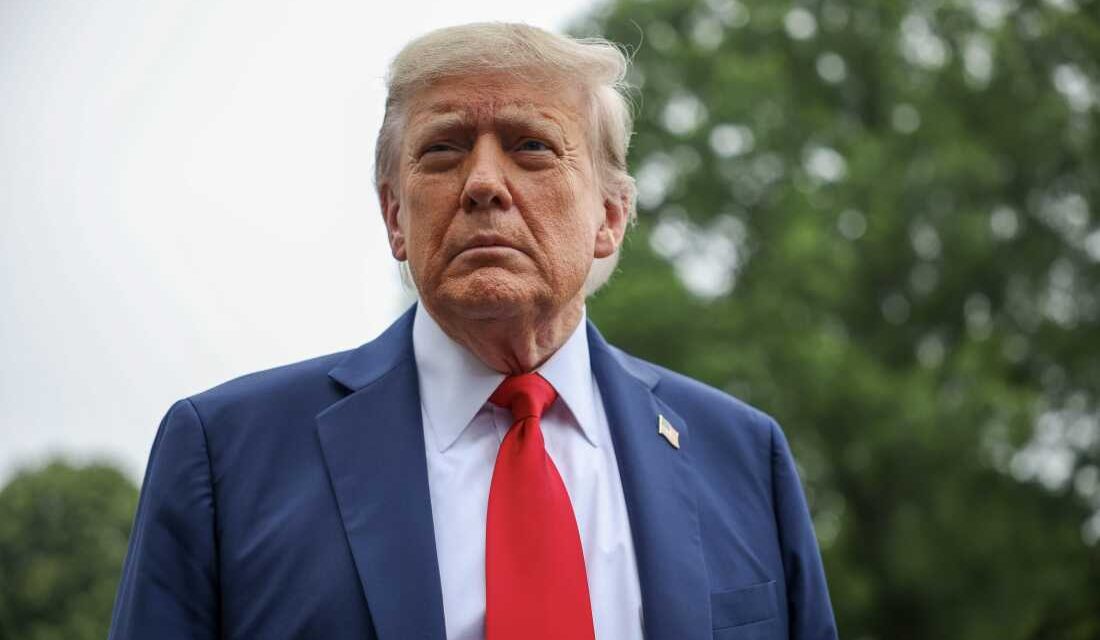
President Trump has enacted a new range of tariffs, citing benefits for the U.S. economy and its workers. However, these measures might negatively affect many American households.

A Time of Economic Uncertainty
During Trump’s second term, issues such as the conflict with Iran and international tensions have disrupted economic stability. The U.S. has increased a previous 10% tariff, now introducing new ones covering various countries. These tariffs, effective from Friday, range between 10% and 12.5%. Economists suggest legal challenges could arise despite attempts to solidify them.
Five Key Observations
1. No Immediate Relief for Households
The rise in living expenses remains a concern, further strained by renewed tensions with Iran that may elevate gas prices. The national average gas price has exceeded $4 per gallon, impacting household budgets.
Additionally, mortgage rates have reached a high point not seen in nearly a year. The persistence of these tariffs could add to financial pressure, costing households an estimated $1,100, based on calculations by the Budget Lab at Yale University.
2. Challenges with Interest Rates
New Fed Chair Kevin Warsh faces difficulties with inflationary pressures. If inflation surges, interest rates might rise. Trump’s tariff strategies maintain economic uncertainty, influencing import costs and potentially boosting inflation, according to Cornell University’s Eswar Prasad.
3. Uncertainty for Businesses
Businesses have encountered volatility since Trump’s tariff imposition. Although some tariffs were annulled by the Supreme Court, resulting in refunds for import taxes, ongoing legal and economic uncertainties continue.
Businesses seek stability, but the threat of further tariffs, including on pharmaceuticals, could hamper investment and affect hiring practices.
4. Evaluating the Administration’s Claims
The administration calls tariffs necessary leverage for securing trade concessions and job creation in the U.S. Despite these assertions, results have not met expectations. Though tariffs have generated $1.9 trillion, the economic drawbacks might overshadow this gain. Natasha Sarin from the Budget Lab underscores inefficiencies and a permanent decline in economic strength due to tariffs.

5. Global Economic Repercussions
The repercussions of continued tariff policies extend globally. The ongoing conflict with Iran and accompanying energy costs have already affected the world’s economic outlook, as noted by the International Monetary Fund.
Further threats of tariffs on countries, like Canada, add to this instability. Both international and American economies have faced over a year of uncertainty from these trade measures, which are likely to persist.
 Challenges Facing the Supreme Court’s Public Perception
  California Democratic Aide Arrested for Visa Overstay by Federal Authorities
  Experts Doubt Export Ban Will Lower Fuel Prices
  Trump Delivers Warning to Iran, Cuba at UN General Assembly
  Trump Delivers Stern UN Speech on Iran, AI, and Global Security
  Lukashenko and Putin’s Unique Relationship and Belarus’ Strategic Role