
Early education traditionally emphasizes the mastery of reading, writing, and arithmetic, known as the 3 Rs. These skills form the foundation of learning in many educational systems, and their importance cannot be overstated. However, focusing solely on these skills overlooks equally crucial developmental areas.
Children require more than basic literacy and numeracy to thrive in today’s complex world. They need to develop three additional skills: curiosity, creativity, and critical thinking, often called the 3 Cs. These skills foster innovative thinking and problem-solving abilities, preparing children to navigate future challenges.
Curiosity drives the exploration and learning process. It encourages children to question and investigate the world around them, leading to a deeper understanding of various subjects.
Creativity involves thinking outside the box. It empowers students to generate new ideas and engage in original thought processes, which are vital in adapting to new situations and challenges.
Critical thinking enables children to analyze information, evaluate arguments, and make reasoned decisions. This skill is crucial for effective decision-making and problem-solving throughout life.
Neglecting the 3 Cs in early education may hinder overall child development. Incorporating curiosity, creativity, and critical thinking into curricula alongside reading, writing, and arithmetic enriches the educational experience. It equips children with comprehensive skills necessary for personal and professional success.
To truly improve educational outcomes, educators and parents must prioritize these areas, integrating them consistently into early learning environments. This approach not only enhances traditional learning but also nurtures well-rounded individuals ready to tackle future societal and personal challenges.
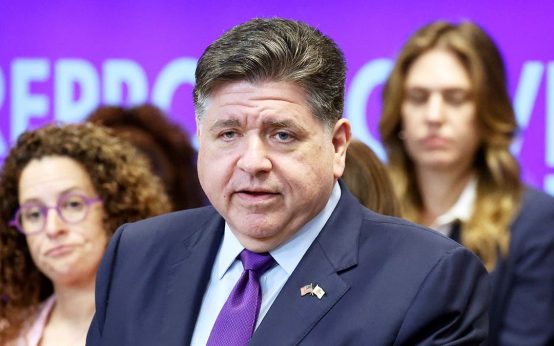 Illinois Governor Faces Backlash Over Opting Out of Federal Scholarship Program
 Notification of Ineligibility for Income-Based Student Loan Repayment
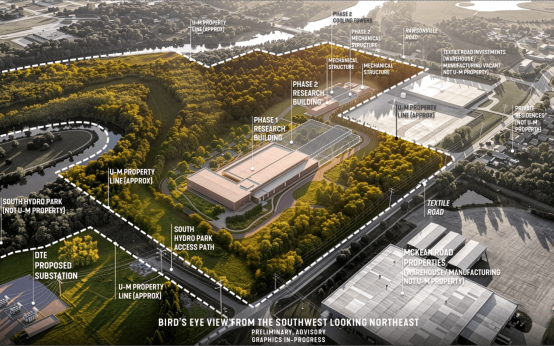 Michigan’s Ypsilanti Township Residents Oppose University of Michigan’s New Research Center
 Alberta Higher Education Institutions Face Political Neutrality Mandate
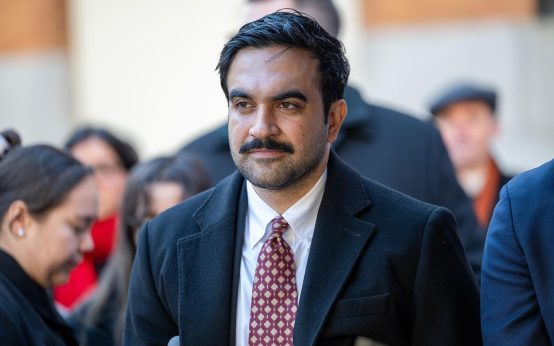 Mayor Mamdani Urged to Address NYC School Enrollment Crisis
 Reevaluating Early Education for Better Future Outcomes