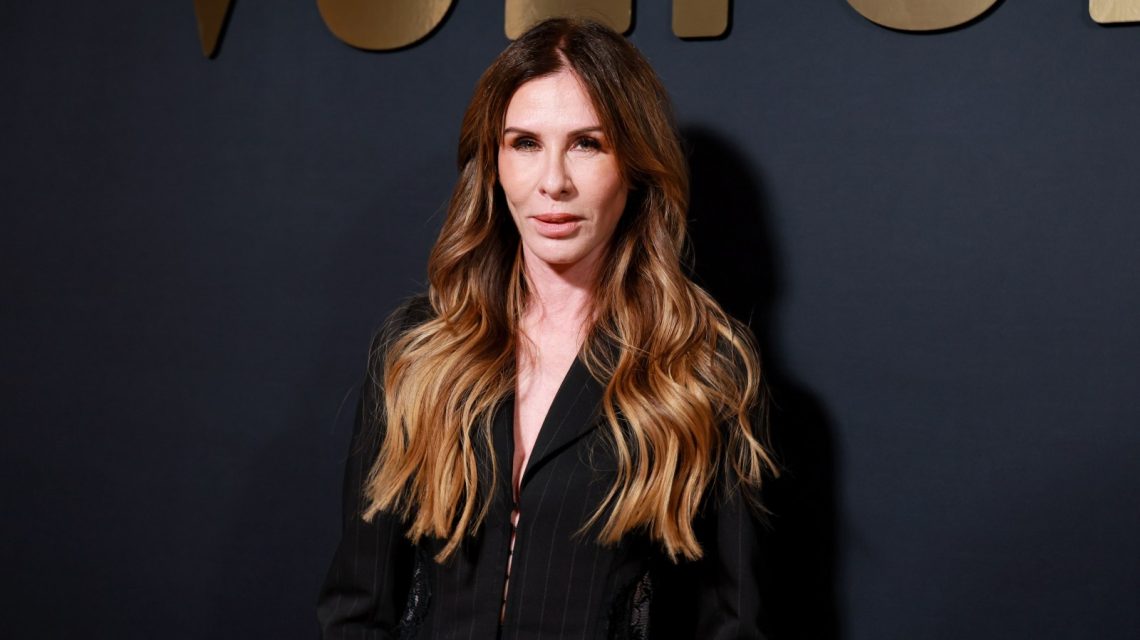
With the change of seasons, many Americans head back indoors, often turning to television for entertainment. “The Real Housewives of New York City” returns on Tuesday at 8 p.m. on Bravo, bringing familiar drama with cast member Carole Radziwill, who rejoined after leaving in 2018.
The franchise’s enduring appeal lies in its themes of loyalty, betrayal, and banishment. In today’s political climate, these elements mirror the workings of Donald Trump’s Republican Party. Here, public feuds, loyalty struggles, and social rank negotiations play out much like a reality show. While government actions have real consequences, the entertainment value found in political maneuvers often resembles the drama on Bravo.
Friendship Politics and Social Dynamics
“The Real Housewives” series has always depicted friendship as a series of power plays. The question of who gets invited or who has the right to deliver an insult is central to the show. The third-ranking House Republican, Liz Cheney, saw a similar dynamic in politics when she lost her leadership role and primary after opposing Trump’s false 2020 election claims.
Conversely, Marjorie Taylor Greene demonstrates the quick changes in political alliances. Previously, a Trump ally, she fell out of favor in 2025; Trump called her a “traitor.” Her retort, “I gave him my loyalty for free,” echoes the bold lines from the Housewives.
Proof in Politics and TV
The Housewives’ storylines often rely on “receipts” such as text messages. These items resolve disputes and propel the plot. In political realms, social media and endorsements serve a similar function: they prove allegiance or expose disputes.
Reality show drama, with moments like Aviva Drescher’s prosthetic leg toss, may not happen in Congress, but public political spectacles can be equally dramatic.
The Fluidity of Status
The return of former cast members to “The Real Housewives” series shows that banishment doesn’t last. Personal disputes can fade, making way for character returns without ideological shifts. In politics, similar returns are possible, as seen with figures like Elon Musk, who returned to Trump’s circle after a public fallout.
Carole Radziwill’s return to “RHONY” integrates politics and personal connections with history. Her ties to the Kennedy family highlight how personal narratives and public myths intertwine in reality TV.
This intersection explains the enduring appeal of these narratives: individuals aren’t gone forever but are poised for a comeback when circumstances allow. In reality TV, it’s a staple; in politics, it’s just another day.
 Democrats Aim for Significant Wins in Ohio Elections
  Democrats’ Prospects in Midterm Elections Improve
  Nebraska Senate Race: Dan Osborn’s Challenge Against Republican Incumbent
 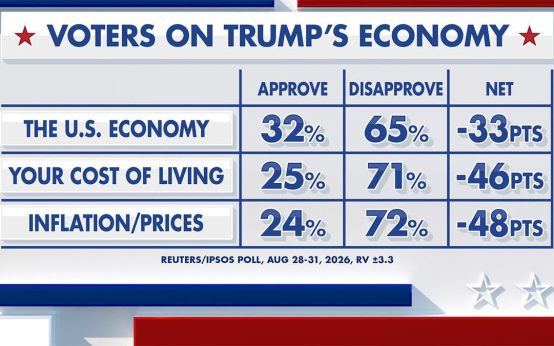 Trump’s Economic Policies Face Key Midterm Test
  Republicans Open to Raising Taxes to Shore Up Social Security
  California’s Electric Vehicle Journey Amid Political Challenges