Nineteen States Await Federal Action
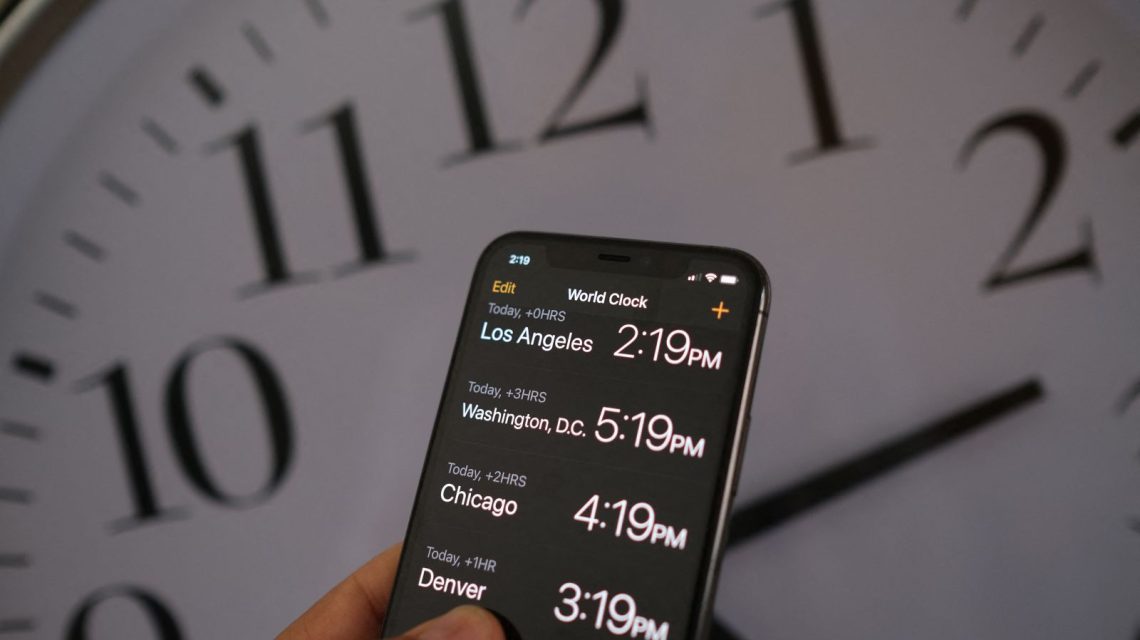
As of now, nineteen states have approved permanent daylight saving time. However, these laws remain inactive unless Congress amends federal law. With the November 1 clock change approaching, the U.S. Senate holds the key to the national initiative to ‘lock the clock.’ Despite the House passing legislation earlier this year, the Senate has yet to act. Lawmakers are due to leave Washington before the time change, suggesting that Americans are expected to set their clocks back on November 1.
Impact of Daylight Saving Time
The daylight saving time debate affects almost every American. Advocates suggest it offers more evening daylight and avoids biannual clock changes. However, some sleep specialists and legislators caution that it could lead to late winter sunrises, disrupting natural sleep rhythms. This issue gained attention after the House passed the Sunshine Protection Act. President Donald Trump supports permanent daylight saving time, increasing pressure on the Senate for a resolution soon.
“People are sick and tired of having to change their clocks twice a year,” Trump stated on Truth Social. “It is foolish, inconvenient, and costly in some cases.”
State Legislation on Permanent Daylight Saving Time
Nineteen states have enacted measures to remain on daylight saving time if federal law changes. These states include:
- Florida (2018)
- Delaware (2019)
- Maine (2019)
- Oregon (2019)
- Tennessee (2019)
- Washington (2019)
- Idaho (2020)
- Louisiana (2020)
- South Carolina (2020)
- Utah (2020)
- Wyoming (2020)
- Alabama (2021)
- Georgia (2021)
- Minnesota (2021)
- Mississippi (2021)
- Montana (2021)
- Colorado (2022)
- Oklahoma (2024)
- Texas (2025)
However, several states have conditions. Delaware, for instance, requires regional neighbors to enact similar laws.
Arguments for Permanent Daylight Saving Time
“Studies show eliminating the biannual clock change could decrease robbery and murder rates, reduce car accidents, especially involving pedestrians, and lower risks for cardiac issues, strokes, and seasonal depression,” Trump wrote. “It will enhance children’s safety, promote family time, support activities, benefit industries like sports and retail, and save on energy bills.”
Senate Consideration of the Sunshine Protection Act
The Sunshine Protection Act passed the House but awaits Senate action. The bill is with the Committee on Commerce, Science and Transportation. A floor vote has not yet been scheduled, leaving its future uncertain. The Senate’s session calendar could complicate timing, with limited days left before lawmakers leave Washington in early October and return post-November time change.
Some senators support permanent daylight saving time, while others fear the late winter sunrise consequences. In 1974, the U.S. trialed permanent daylight saving time, but abandonment occurred due to children waiting in the dark and concerns over late sunrises impacting safety.
November 1 Clock Change
As things stand, daylight saving time is set to end on November 1. States observing daylight saving time will shift clocks back one hour, reverting to standard time. Although 19 states approved permanent daylight saving time, their laws remain dormant until Congress permits changes. Under current rules, states can opt for permanent standard time, as seen in Hawaii and most of Arizona, but cannot independently choose permanent daylight saving time.
Next Steps for Daylight Saving Time Legislation
The Senate’s next move is crucial. If they schedule and approve a vote on the Sunshine Protection Act and it becomes law, states with pre-approved permanent daylight saving time laws could proceed. Should the Senate not act this year, Americans will continue adjusting clocks twice annually, and the state laws remain paused.
Note: Newsweek’s team, including reporters and editors like Jason Lemon and Gray R. Thomas, contributed to this story with assistance from Martyn, an AI assistant. Learn more about Martyn’s role.
 VP JD Vance Trails Potential Democratic Contenders in Early Polling for 2028 Election
  Rising Beef Prices: Causes and Policy Responses
  Trump Visits New York Mayor Mamdani at Gracie Mansion
  Congressional Inaction Amid AI Concerns
  Zohran Mamdani Faces Backlash at Staten Island Event
  Legal Battle Over Media Ban at White House