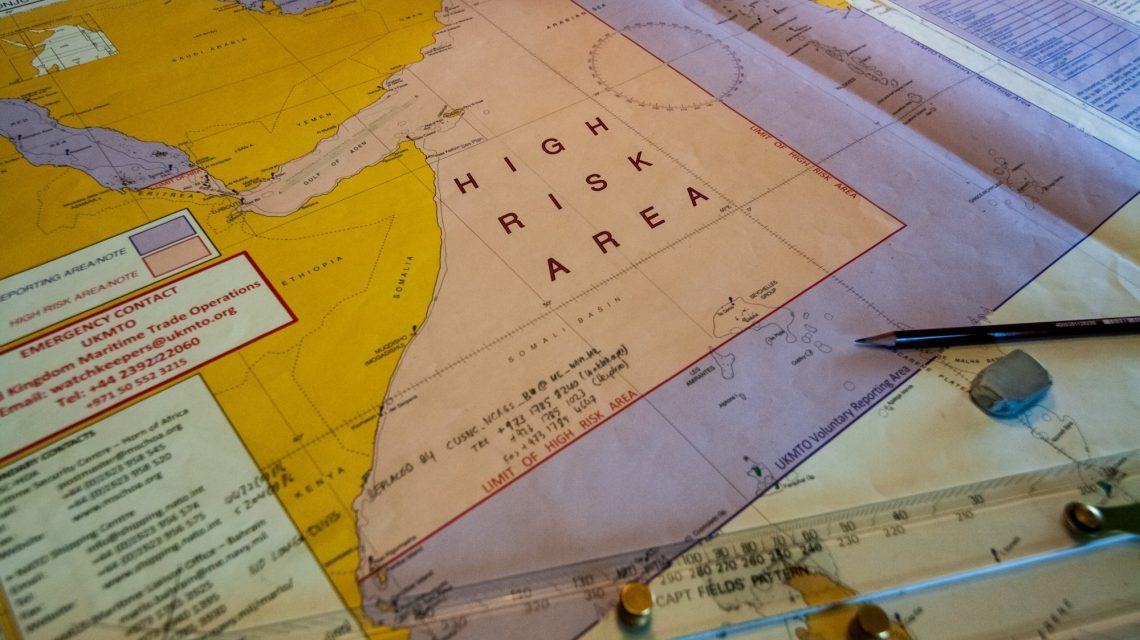
The Iran conflict has intensified not only in the Strait of Hormuz but also in other areas like the Red Sea, affecting Somali piracy. Recent activities in Somalia highlight an ongoing threat Washington hoped to have addressed but hasn’t fully mitigated.
In April and May, pirates attacked four ships off Somalia, including the Togo-flagged Eureka, which is tied to interests from the UAE. Seized in the Gulf of Aden and brought to Puntland, pirates are demanding a $10 million ransom.
This incident is part of a broader threat network shaped by Iran, supported by terrorist groups in Yemen, and operated by Somali counterparts. Connections have been documented, including meetings in mid-2024 between Yemeni and Somali militants. Somalia-based groups committed to heightening piracy, gaining weapons, tracking devices, and training from Yemen.
“The equipment distributed through these networks is now operational within Somali pirate cells,” confirmed the Puntland Maritime Police Force’s deputy intelligence director in early 2026.
These developments represent more than just a regional security challenge. They signify weapons proliferation and a maritime terror problem linked to Tehran. Washington’s focus had been on Yemen’s missile threats, needing broader vigilance. Disruptors from Yemen have paved the way for Somali pirates to escalate their actions.
The Iranian conflict had not created piracy surges from scratch, but it provided tools and cover for expansion. Each week international naval resources concentrate on Yemen, pirate operations in Puntland strengthen and extend seaward.
Historically, Somali piracy posed a significant threat, costing the global economy around $7 billion at its peak in 2011. Sustained naval efforts reduced this threat, but signs now indicate a resurgence, with global piracy incidents peaking at 137 in 2025—a five-year high.
The US has concrete regional interests. Weapons from Yemen entering Somalia do not remain localized; they support destabilizing operations across East Africa where the US holds counterterrorism allies and arrangements.
The conduit from Tehran through Yemen to Somali criminal networks enables sanctions evasion, weapons distribution, and ransom laundering effectively.
This Red Sea-Horn corridor is vital, contrary to being merely peripheral in the Iranian conflict. Iran’s strategy involves shipping disruption, expanding militant influence in Somalia, and straining international naval resources amid plausible deniability.
Washington’s existing responses do not address these hybrid threats efficiently. Operation Prosperity Guardian was set for missile threats from Yemen, not Somali piracy within an Iranian-backed framework. The US Africa Command operates land-based counterterrorism efforts; maritime piracy remains under separate management, which Iran exploits.
A formal review by Congress should investigate the Yemen-Somalia weapons pipeline, assessing finances, command ties, and East African market reach. Iran sanctions should apply to ransom and weapon proceeds moving across these networks. Strengthening the Navy’s counter-piracy presence is crucial before subsequent hijackings occur.
The lesson from 2011 was that coordinated international pressure can suppress Somali piracy. As of 2026, Somali piracy has evolved with state support. Addressing the Eureka situation correctly is crucial, rather than treating it simply as maritime crime, which could become more costly than the ransom in Puntland.
Siyad Madey, Nairobi-based legal expert and policy analyst, contributes to Middle East Forum covering Horn of Africa geopolitics and Red Sea security.
 Suspects in Haitian President’s Assassination Await Extradition to U.S.
  Ambassador Avoids Timeline on Prolonged Iran Conflict
  Controversy Surrounds Children’s YouTube Star and Journalist’s Revelations
  German Chancellor Friedrich Merz Faces Challenges After Election Losses
  Trump’s Approach to Iran at the United Nations
  North Korea’s Missile Launches Escalate Tensions