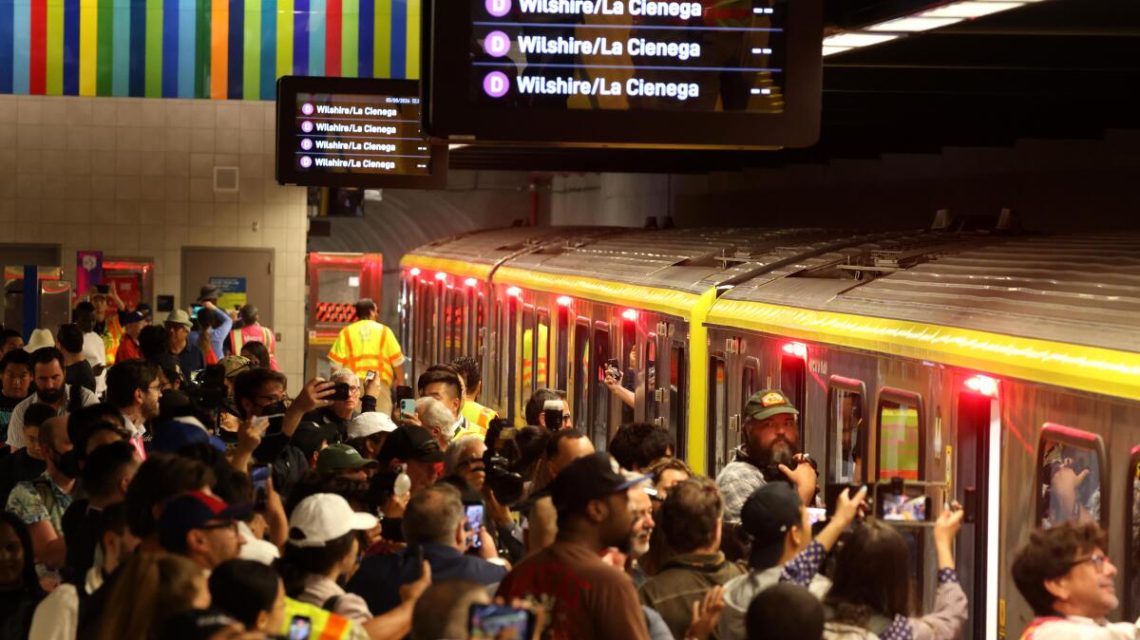
Fifty years ago, Los Angeles buzzed with a bold concept—a transportation system promising the privacy of a car alongside the efficiency of mass transit. This idea emerged despite growing awareness of car exhaust’s role in worsening smog and the painful memories of fuel shortages during the Arab oil embargo. L.A. always grappled with traffic issues, yet kept moving forward with car-focused solutions.
Post-bicentennial celebrations in 1976 saw USC instructor C.G. Burke presenting a novel idea in the L.A. Times: ‘personal rapid transit.’ This proposition aimed to sidestep emerging plans for subways and light rail. The system entailed elevated guideways over major streets, where travelers used electric-powered pods, driven by individual input for destinations. Although designed for private use, these pods included room for several passengers.
The plan outlined 232 miles of track across 89 stations with express lanes facilitating higher speeds up to 60 mph. Burke highlighted PRT as a superior, desirable alternative to mass transit, emphasizing commuting in personal spaces without halts.
Predictably, skepticism arose regarding cost, technology, and feasibility. The vision of elevated tracks over city streets seemed far-fetched to many. Though Mayor Tom Bradley promoted rail development, favoring a Wilshire Boulevard subway, anti-rail sentiment persisted, hindering Los Angeles’ transit progress.
Decades later, L.A. realized its subway dreams, albeit in 2026, not 1976. The discourse has dramatically shifted from the era of the ‘perfect car.’ With increased public investment in growing the rail network, the city steadily embraces mass transit, though the dominance of cars remains.
While frustrations endure over project delays like the LAX people mover, criticism rarely questions their necessity. The rise of self-driving cars, akin to PRT, prompts discussions about urban transformation. Like their predecessors, these vehicles promise change but leave questions about congestion and equity unanswered.
Today, the transit debate focuses on implementation speed rather than basic necessity. Developers and city planners recognize the importance of integrating transit systems into urban planning.
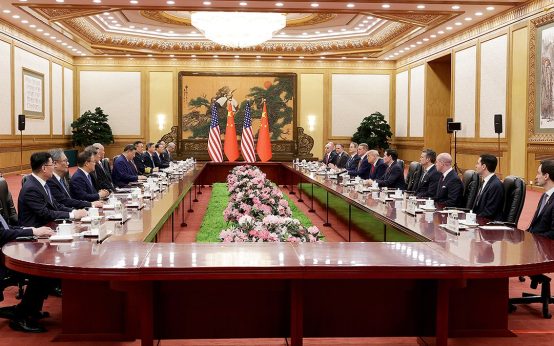 U.S.-China Tech Rivalry and the Battle for AI Dominance
  Protecting Your Finances from Increasing Cyber Threats
  Nvidia CEO Jensen Huang Talks AI, U.S.-China Competition, and Data Centers
 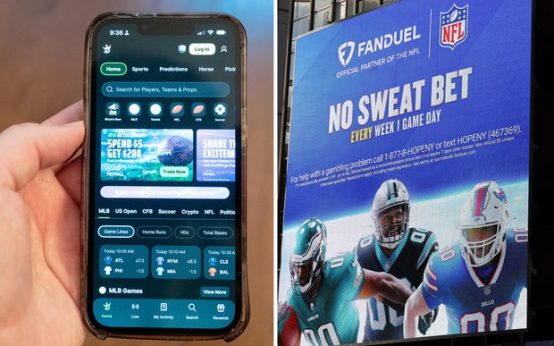 Legal Battles Over Sports Betting and Addiction Claims
  Concerns About Rapid Advancements in Artificial Intelligence
  Leading AI Companies Face Antitrust Lawsuit for Alleged Coordination