
Jasmir Urbina, an asylum-seeker from Nicaragua, faced rising anxiety in the U.S. due to ongoing immigration crackdowns. Legal residents were getting arrested, prompting Urbina to worry about her own future in New Orleans as she awaited her court date in November 2025. The implementation of ‘Operation Swamp Sweep’ by the Trump administration intensified these fears.
In her search for legal assistance, Urbina encountered a scam posing as Catholic Charities. She connected with ‘Susan Millan’ via WhatsApp, who claimed to be a lawyer. Urbina paid nearly $10,000 for services, convinced her documentation was being processed. Following a fake virtual hearing, Millan assured her she had ‘won residency’ and advised against attending her upcoming court date.
When communication with Millan ceased, Urbina realized she was scammed. Her documents suggested fraud linked with the misuse of legal and religious symbols to gain trust. Authorities subsequently deported her back to Nicaragua after she missed her court date.
Urbina’s experience reflects a broader issue of ‘notario fraud’, where scammers pose as legal professionals. In countries like Nicaragua, a notary is equivalent to a lawyer, allowing deceitful individuals to exploit this translation gap. Her case is just one of hundreds verified by Catholic Charities of similar scams.
Data indicates a surge in immigration scams since President Trump’s crackdown on immigration, with immigration-related complaints doubling, according to the Federal Trade Commission (FTC). From 2021 to 2024, the FTC received about 960 annual complaints, and in 2025, that number shot up to nearly 2,000. The scams total at least $94.4 million in reported losses.
These scams have become more sophisticated, often employing technologies like AI to create realistic appearances of authenticity. Scammers advertise on platforms like Facebook and TikTok, targeting those most vulnerable to immigration anxieties. Misusing the names of reputable organizations and attorneys is common.
In numerous cases, scammers promise legal outcomes they cannot deliver, often leveraging fears of deportation. Victims like José Aguilar and Mariela have suffered significant financial losses, with scammers often invoking religion or other manipulative tactics to build trust.
Authorities at various levels, including state attorneys general and organizations like the American Bar Association, have issued warnings. New legislation has been introduced in states like California and Florida to counteract these fraudulent practices.
Despite these efforts, scams persist, damaging the lives of those they target. As Urbina’s experience demonstrates, even vigilant individuals can fall prey to these calculated schemes. Recognizing scams involves verifying claims independently through direct contact, avoiding reliance on social media interactions alone.
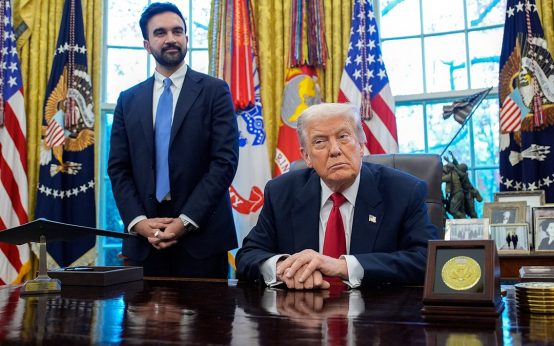 Trump and NYC Mayor Mamdani: Political Divides and Collaborative Efforts
  Rep. Jared Golden Endorses Mike Lawler for Reelection
  Seattle Protects Nonmonogamous Relationships from Discrimination
 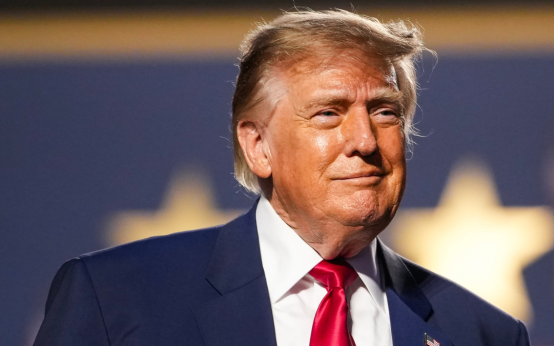 Democratic Lawmakers Criticize Trump’s $5,000 Payout Promise
 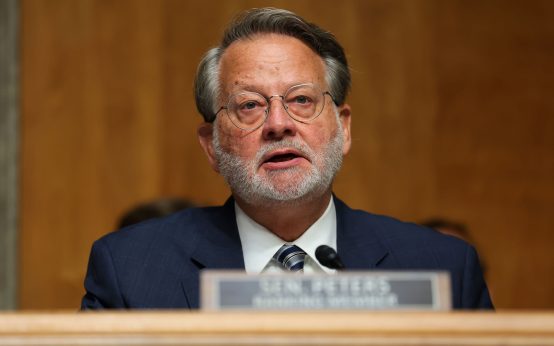 Judge Assigned to White House Press Access Case
 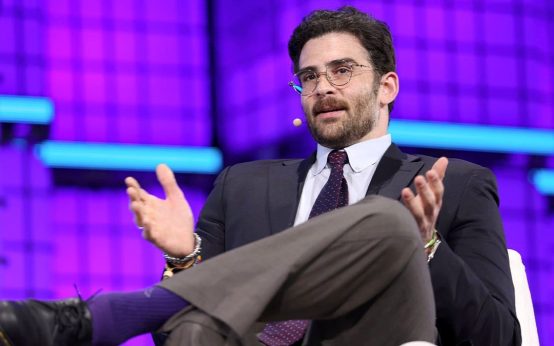 Hasan Piker Faces Backlash Over Controversial Comments