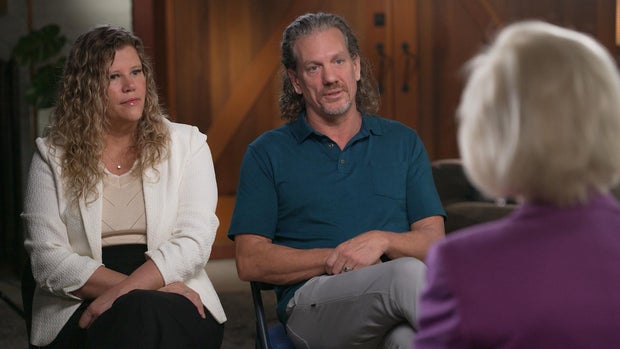
In mid-August at the Ritz-Carlton bar in Tysons Corner, Virginia, Jack Burkman and Jacob Wohl pitched their latest client, Ammon Covino, with the promise of securing a presidential pardon. Burkman and Wohl, known for their lobbying efforts, targeted Covino, an aquarium operator who had served federal prison time for illegally transporting marine life.
Covino had applied for clemency through official channels, only to be denied by President Trump as part of a larger clearing of pardon applications. Familiar with such rejections, Covino agreed to work with CBS News, who was investigating pardon brokers.
Brokers like Burkman and Wohl have emerged in the clemency process, charging fees as high as $3 million for their connections and lobbying skills to influence decisions. They promise access to powerful individuals, bypassing traditional routes through the Justice Department. During Trump’s second term, only 30% of clemencies followed the older process, with 92% of Jan. 6-related cases bypassing it completely.
Mark Osler, a law professor, noted that an industry has sprung up around helping people secure pardons, a system that should be free.
Lobbyists, including Brett Tolman and Ches McDowell, exemplify how connections to the administration help navigate this new landscape. In conversation, Tolman revealed that he sends petitions directly to the White House, circumventing the Justice Department process entirely.
In the past, presidential clemency was straightforward and regulated. Presidents deviating from norms, such as Ford’s pardon of Nixon, or Carter’s of draft-dodgers, aroused controversy. Recently, President Biden faced criticism for pardoning close allies, including his son, and offering clemency to those with political ties.
CBS News found an opaque system with little oversight. Their investigation revealed that while lobbying for clemency increased, the public only saw limited, vetted disclosures. Many negotiations and financial exchanges remain hidden.
Burkman and Wohl admitted aiding past pardon campaigns in Trump’s first term. Their reputation as provocateurs continues to accompany their operations. Wohl insists that clemency decisions under Trump derive from personal judgment rather than bureaucratic recommendations.
Some cases show the financial influence behind these pardons. Joseph Schwartz, a nursing home operator convicted of significant financial crimes, received a pardon after Burkman’s firm disclosed nearly $1 million in lobbying fees. Survivors of Schwartz’s business failings view his pardon bitterly.
The brokers promise blanket access to President Trump, even advising clients against providing direct political contributions. By assuring Trump’s attention through various means, they seek leverage in the pursuit of keys to clemency.
Other players, like Ed Martin, a past DOJ pardon attorney, deny the existence of any quid pro quo, stating Trump exercised mercy for politically targeted individuals. Yet, high-profile examples exhibit a pardoning trend for non-repentant applicants.
Transparency in the pardoning process remains a hurdle. Despite the inherent complexities, those seeking clemency, such as Covino, find themselves navigating a path where connections and financial influence are pivotal.
 Missouri Voters File Lawsuit Over Redistricting Referendum
 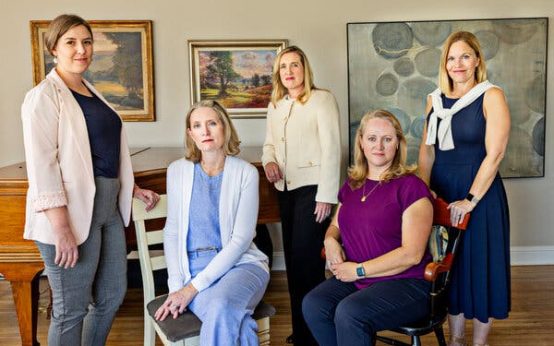 Utah Women Challenge Political Traditions
 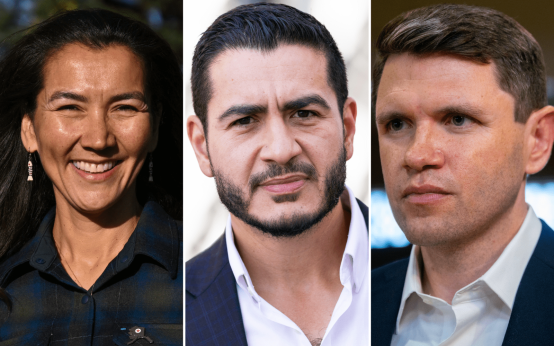 Key Senate Races Tighten Ahead of Midterm Elections
  Russian Oligarch’s Role in Donald Trump Jr.’s Wedding Raises Security Concerns
  Maine’s Unusual House Race: A Shift from Centrist to Conservative
  U.S. Workers React to Bombardier Sales Ban Threat