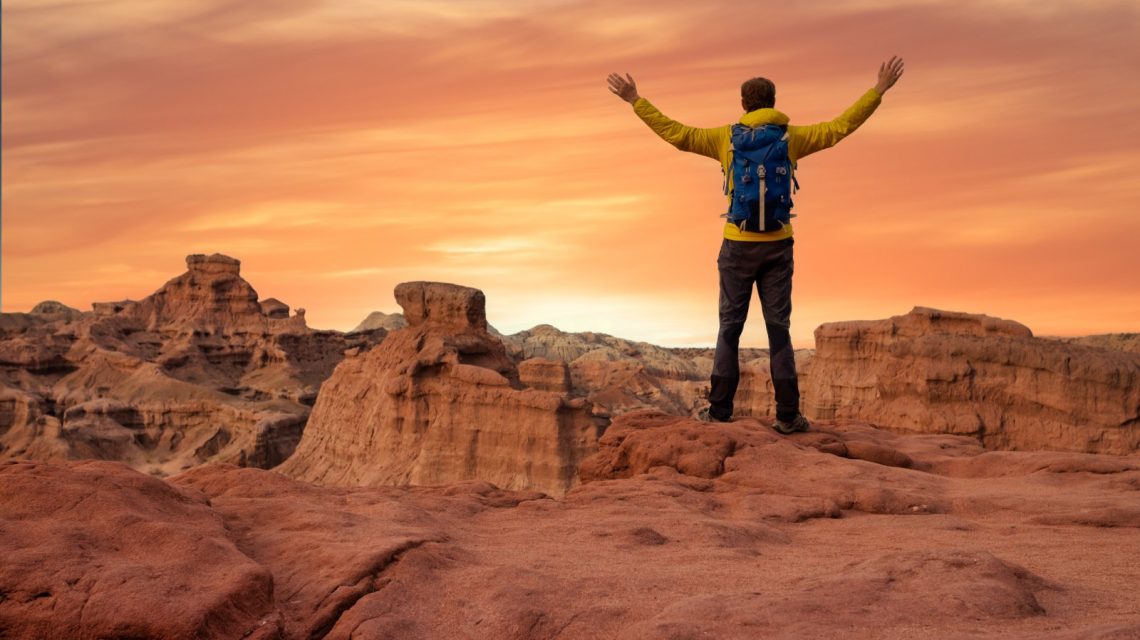
Nearly half of American travelers have exceeded safety limits on trips, while over a third of Gen Z travelers have taken risks for photos or videos. This study, shared with Newsweek, explores this trend. Jordan Bridger, a behavioral scientist, notes that for younger travelers, the reputation gain from dramatic shots is significant, as social media platforms reward exciting visuals.
Gabby Beckford, travel expert and content creator, confirms that risky content can greatly enhance a Gen Z traveler’s social standing and opportunities. The frequency of digital engagement among Gen Z surpasses older generations, driving this behavior.
Recent incidents underline the potential hazards. In August, a 20-year-old tragically died while photographing at Silver Falls State Park in Oregon. Another tourist sustained injuries from a fall in Dubrovnik, Croatia.
The research, conducted by Climbing Kilimanjaro, surveyed 1,013 U.S. adults on how social media influences travel dreams and planning. Focusing on keyword analysis of climbing posts on platforms like YouTube, Instagram, and TikTok, the study reveals Millennials as the largest respondent group.
Bridger interprets the data differently, viewing it as an ongoing audience effect, where peers influence risky decisions. He references a 2005 study showing adolescents are more prone to risk when peers are present.
Beckford agrees, stating that social media magnifies an existing tendency among young people to take risks. The multimedia platform amplifies the perceived rewards of such actions.
Bridger highlights that while many consider taking physically demanding trips, fewer proceed with these plans. Location design, rather than warnings, may reduce risks at popular sites.
Gen Z’s risk-taking is not necessarily due to recklessness. Paromita Pain remarks that platform use and travel experience may also affect reported behavior. Shailendra Pratap Jain advises caution in labeling Gen Z as reckless, noting their intertwined experience of documentation and travel.
Travel now involves showcasing one’s identity, with activities like climbing Kilimanjaro signaling personal traits such as courage or adventurousness. Influencers play a role in shaping these experiences.
Vummy Kihaule describes young travelers as content creators, embedding documentation into the essence of travel. Real-time sharing becomes integral to the trip.
Jain’s research underscores the strong impact of social media influencers on consumer behavior. Their credibility drives engagement and shapes travel experiences, making social media a force in defining the value of trips.
The concern extends to potential desensitization, where repeated exposure to risky behavior via social media normalizes danger. Pain cautions that this could lead travelers to underestimate risks, impacting others, including guides and rescue teams.
Kihaule emphasizes that managing reckless behavior should become a travel industry standard, including pre-departure guidance focusing on social media conduct.
Beckford advises travel brands to clearly inform travelers, assume they lack risk awareness, and adjust marketing accordingly. In dangerous locations, collaboration with authorities to change policies and counter AI-manipulated imagery is needed.
Pain agrees, advocating for preparatory advice in promotional materials, emphasizing the importance of knowing when to retreat during a trip.
 Kyle Kennedy, Advocate for Education and Disability Rights, Dies at 42
 Save on Crest 3D Whitestrips During Amazon Beauty Sale
 Finding Fulfillment in Retirement: Steps to Enjoy the Life You’ve Built
 Finding Fulfillment in Retirement
 Finding Fulfillment After Retirement
 Satisfying Pumpkin Spice Smoothie for a Balanced Halloween