
In the 19th century, Indiana implemented strict blue laws aimed at preserving Sunday for rest and worship. These laws also targeted alcohol sales and the surprising inclusion of hot dogs. Indiana’s actions were particularly significant for introducing the term hot dog into print in 1884. An Evansville Courier & Press article from September 14, 1884, mentioned that even hot dog vendors would be prohibited from operating on street corners.
By the late 1800s, various German sausages, including weisswurst, bockwurst, and blutwurst, were becoming ingrained in American life, much like baseball. According to Bruce Kraig, author of Hot Dog: A Global History, hot dogs had become synonymous with ballparks by the 1890s. The traditional Fourth of July hot dog eating contest further solidified their connection to American cultural celebrations.
The National Hot Dog and Sausage Council identifies 19 regional styles of hot dogs across the United States. From Cleveland’s French fry-topped Polish boy to the bacon-wrapped Sonoran dog and Chicago’s iconic version with its array of seven toppings, each variety represents a localized culinary tradition. These differences contribute to what is referred to by the U.S. National Archives as hot dog diplomacy.
World War II marked a notable moment in this culinary diplomacy when King George VI and Queen Elizabeth visited the United States. At a picnic hosted by the Roosevelts, the British royals were served hot dogs, much to the dismay of FDR’s mother. The New York Times reported that the king requested more, highlighting the appeal of American fare.
Hot dogs have even found themselves on the international stage beyond formal receptions. During the American League opener on April 8, 1963, President Kennedy enjoyed watching the Baltimore Orioles defeat the Washington Senators, while munching on a hot dog. Nikita Khrushchev, visiting the U.S. in 1959, sampled his first American hot dog and humorously noted that while the USSR excelled in the space race, America triumphed in sausage-making. During his 1959 visit to New York, Cuban Prime Minister Fidel Castro was also seen enjoying a hot dog.
Hot dog culture extends beyond domestic borders. Gloria Ousset, an Argentine visitor to the U.S., found nostalgia in the offerings at Walter’s Hot Dogs, where the blend of beef, pork, and veal evoked memories of crunchier Argentine hot dogs.
Hot dogs even inspire art and literature. In 2024, artists Jen Catron and Paul Outlaw installed a 65-foot hot dog sculpture in Times Square, with a unique daily display of confetti. Comedy writer and podcaster Jamie Loftus explored American hot dog culture in her book, Raw Dog: The Naked Truth about Hot Dogs, highlighting both the joy and nostalgia that hot dogs represent in the U.S.
This article is part of the series American Objects, commemorating the 250th anniversary of the United States. It delves into how hot dogs have become an emblem of American identity and cultural diplomacy.
 Navy Veteran Generald Wilson Reflects on Emotional National Anthem Performance
 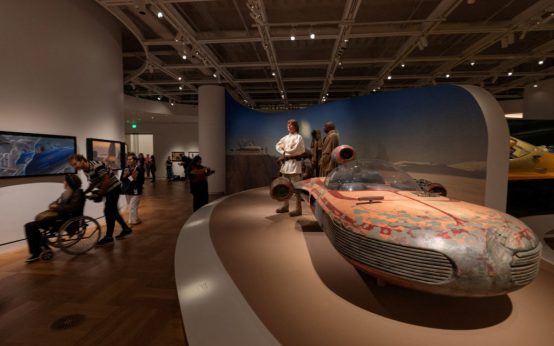 Lucas Museum of Narrative Art: A New Cultural Landmark
 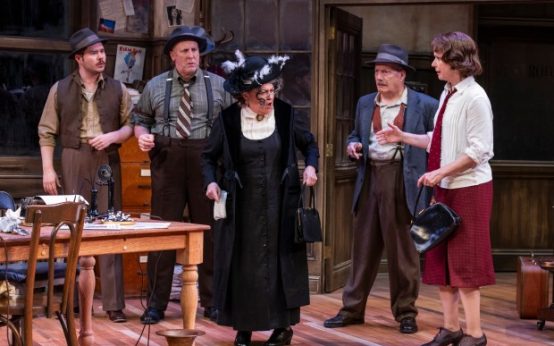 Northlight Theatre’s ‘The Front Page’: A Satirical Nod to Chicago’s Journalistic Past
  The Value of Unsupervised Play in Child Development
  Why the Creative Class and Global City Concepts Lost Momentum
  Aurora’s Moon Festival Showcases Cultural Diversity and Community Engagement