America’s once undisputed dominance in biotechnology is facing new challenges. Over recent years, China has surpassed the U.S. in conducting clinical drug trials and significantly increased its share in the global drug development arena. This trend impacts more than just the biotech industry; it touches economic competitiveness, national security, and public health.
Despite these challenges, the U.S. can still lead, especially in regenerative medicine. This sector, including technologies such as engineered tissues and gene editing, aims to repair or replace damaged cells and organs. Although China is active in this field, forecasts suggest the U.S. market could reach $90 billion by 2030. However, achieving this requires policies that foster innovation and allow American companies to compete globally.
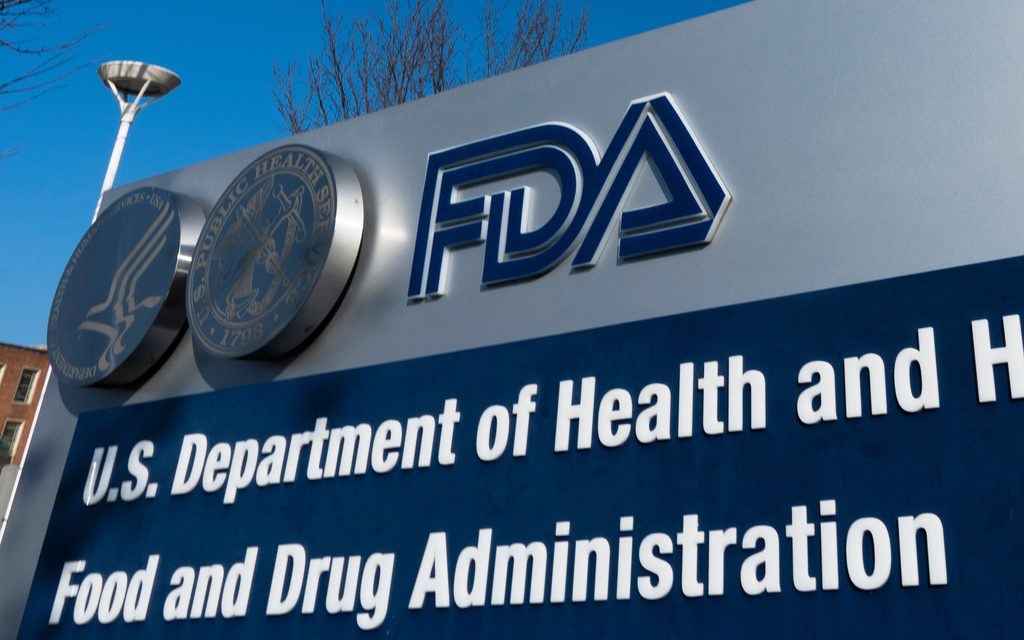
A key factor for success is a flexible regulatory framework that supports timely and decisive actions. Delays in regulation have real-world impacts. For instance, Regenative Labs, a biotech firm in Pensacola, develops products from donated human birth tissue and benefits U.S. patients. Yet, it faces regulatory hurdles that prevent overseas expansion, due to the FDA not issuing a necessary Certificate of Foreign Government despite federal law mandating a decision within 20 days.
While competitors abroad face fewer regulatory constraints, Regenative Labs continues to strive for growth within the U.S. This situation highlights how bureaucratic delays can stifle biotech growth, slow manufacturing processes, and weaken America’s position in the industry.
Maintaining leadership in biotechnology is crucial for shaping the future. The U.S. has been a pioneer in medical innovation, but current bureaucratic inefficiencies threaten that status. China is keen on overtaking the U.S. as a biotech leader. Therefore, every bureaucratic hurdle not faced by international competitors risks America’s strategic advantages that have taken decades to build.
American biotechnology’s benefits extend beyond borders, improving the health of military members and families worldwide. It is essential to ensure they access new and beneficial treatments. Thus, making America healthy again requires fostering an environment where innovation reaches patients and is spread efficiently across global markets.
The regulatory system must offer the clarity and timeliness that American companies need to thrive. As David Mansdoerfer, former Deputy Assistant Secretary for Health, emphasizes, transparency and swift regulatory actions are crucial for ensuring better health and maintaining U.S. leadership in biotechnology for years to come.