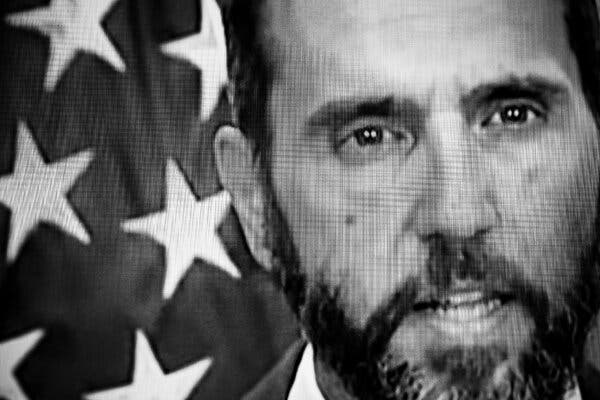
Analysis of Espionage Case Against Donald Trump
Three years ago, the U.S. Justice Department indicted Donald Trump under the Espionage Act. This indictment followed his refusal to return classified documents after leaving the White House. However, a trial has yet to occur, leaving the public without a full accounting of his actions.
When Trump won the 2024 presidential election, the Justice Department dropped the case, adhering to its policy against prosecuting sitting presidents. Currently back in office, Trump benefits from cooperation between the Justice Department and his legal team, aimed at suppressing the investigation report.
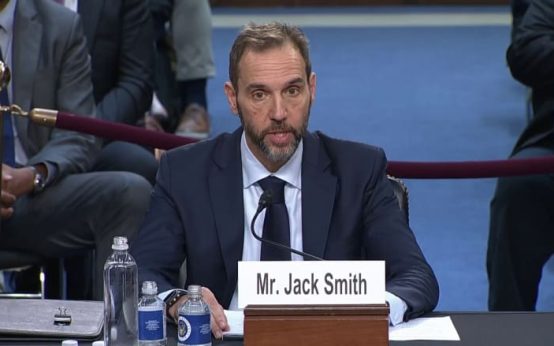
Judge Aileen Cannon from the U.S. District Court for the Southern District of Florida issued an order preventing the dissemination of the report and silencing Jack Smith, the special counsel who authored it. This prevents public and congressional access to critical information.
The Importance of Accountability
It’s argued that sitting presidents should be spared from criminal charges. However, Congress and the public must access information necessary to hold presidents accountable through other means if prosecution is not an option.
The investigation began in early 2022 when the National Archives and Records Administration discovered classified materials taken by Trump. In response, Attorney General Merrick Garland appointed Jack Smith as special counsel to ensure political impartiality in the investigation.
By mid-2023, a grand jury in the Southern District of Florida indicted Trump for taking documents to Mar-a-Lago, lying about possessing them, showing them to unauthorized individuals, and refusing to return them despite a subpoena.
The indictment also implicated Trump’s valet, Waltine Nauta, and later added charges against Carlos De Oliveira, Trump’s property manager.
Potential Outcomes
A conviction on these charges could lead to severe sentencing for Trump’s associates and potentially life imprisonment for Trump.
Public access to the investigation report would strengthen accountability mechanisms outside the judicial process, particularly when judicial actions are restricted due to presidential immunity.
 Sensitive Discussions During Trump’s National Archives Visit with Xi Jinping
  Zohran Mamdani’s Child Care Initiatives May Influence Other Leaders
  Ted Cruz Leads College Athletics Regulation Overhaul
  DOJ Investigates Former Trump Aide Amid Defamation Suit
 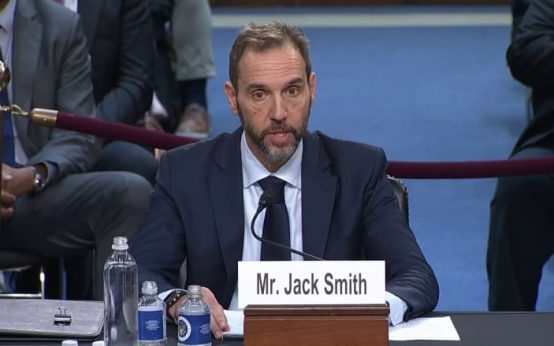 Key Developments from Today’s News
  Key Events in Politics and Technology: U.S. and U.K. Developments