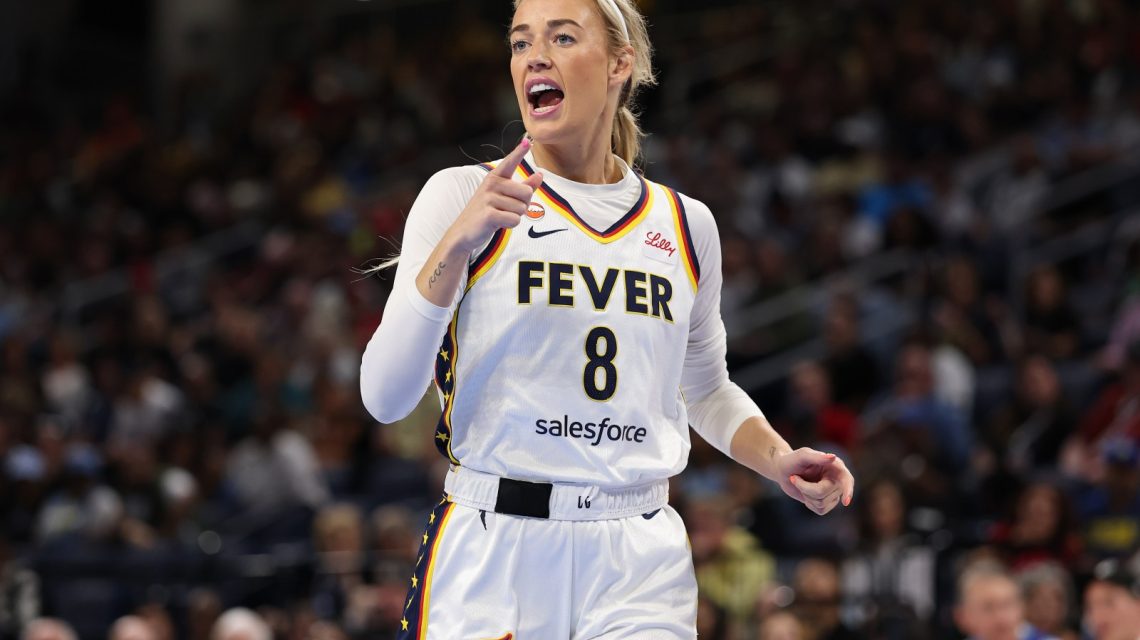
The Women’s National Basketball Association (WNBA) faces a significant challenge in defining its core identity. Nearly three decades since its inception, the league struggles to define the concept of ‘woman’ despite being created by women for women. The original goal was to offer female athletes a platform to compete and gain recognition.
A fundamental question remains unanswered within this women’s league: What is a woman? The answer should be straightforward. Biologically, a woman is an adult human female. Yet, this seemingly simple definition has become controversial, especially in the current political landscape.
Politicians, particularly on the left, have blurred these lines by promoting ideas that challenge traditional gender definitions. This influence extends into schools and sports, raising concerns. Indiana Fever’s Sophie Cunningham has publicly stated that female athletes should not compete against biological men, emphasizing this stance as common sense.
Such statements have spurred controversy, leading to social media backlash, protests, and even the formation of a WNBA task force to address this issue. Yet, a clear answer remains elusive.
Minnesota Lynx coach Cheryl Reeve publicly supported the inclusion of transgender children in sports, highlighting the divisive nature of the topic. There have been incidents where fans were threatened with removal for wearing shirts that express biological viewpoints at games, underscoring the tension surrounding this debate.
Former NBA players, Enes Kanter Freedom and Royce White, attempted to join the WNBA to make a point about the current state of these definitions. The WNBA ruled them ineligible, although their collective bargaining agreement mentions that only players who are women can play, without further elaboration.
This issue transcends beyond just sports. Many argue for protecting women in their designated fields without labeling these concerns as hateful. The WNBA must decide whether it will continue to hold internal discussions or reaffirm its original purpose of supporting women’s sports exclusively.
Nancy Mace represents South Carolina’s 1st Congressional District as a Republican. The opinions in this article are her own.
 Minneapolis Shooting Suspect Faced Eviction Prior to Attack
  Sonny Styles Continues Family Legacy in NFL
  Penn State Coach Embraces Legacy of Joe Paterno
  NYC Grocers Oppose City’s Plan for Government-Run Grocery Stores
 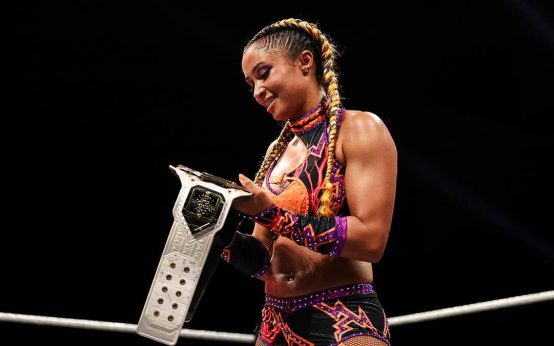 Kelani Jordan Triumphs in NXT Women’s Championship at Heatwave
 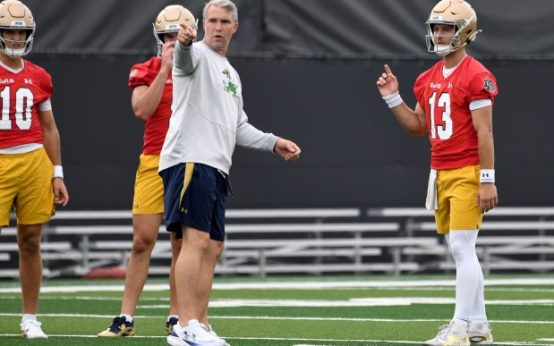 CJ Carr’s Path to Notre Dame: A Family Legacy and Personal Journey