
Massive crowds gathered on Saturday in Iran to pay respects to Ayatollah Ali Khamenei, the supreme leader who dominated the nation for decades before his death in the U.S.-Israeli conflict in late February. The funeral, held at the Grand Mosalla mosque in Tehran, marked the beginning of six days of public ceremonies.
Tens of thousands arrived at dawn at the mosque. Journalists reported a steady flow of mourners in black attire, bearing Khamenei’s images, and waving flags. These tributes highlighted the ongoing turbulence in Iran, which has faced antigovernment protests and harsh government crackdowns this year, followed by the war with the United States and Israel.
Khamenei was killed in an Israeli airstrike, alongside other top Iranian leaders, on the first day of the conflict. On Friday, state media covered a closed ceremony where foreign officials paid their respects. The public procession started on Monday in Tehran, with plans to visit the holy city of Qom, and then heading to Karbala and Najaf in Iraq, ending with burial in Mashhad.
Some Iranians are resentful of the extended and costly funeral. Over 37 years, Ayatollah Khamenei suppressed dissent and allowed economic mismanagement. His son, Mojtaba Khamenei, has been named as the new spiritual leader, maintaining the family’s power. His public absence since his appointment raises questions.
The Iranian government has not provided reasons for the delay in burial, conflicting with religious customs. Some believe the authorities were cautious to organize a large event amidst security threats, which have lessened since a cease-fire last month.
Mr. Khamenei played a key role as Iran’s top religious and political leader. His supporters, like Ali Heydar, camped out overnight to attend the ceremony. The event was intended to show national unity, though some criticism emerged from hard-liners questioning the cease-fire with the U.S.
What happened to revenge for the blood of our martyred Imam?
This sentiment resonated with some mourners. Talks between Iran and the United States show little progress. Negotiations mediated by Qatar and Pakistan have not resolved conflicts or reopened vital trading routes like the Strait of Hormuz.
Funeral Procession Route
The week-long funeral orchestrates a significant path across Iran and into Iraq. Ayatollah Khamenei’s body will travel through at least five cities, starting in Tehran and ending in Mashhad, near sacred Shiite shrines. The procession faces logistical challenges amid ongoing conflicts and summer heat.
Khamenei’s son and successor, Mojtaba, remains unseen since being injured in the conflict. Cities along the route have prepared for large gatherings, equipping resources like water and transport to accommodate mourners.
In Iraq, public ceremonies will occur in Karbala and Najaf. These locations hold historical value for Shiite Muslims, even though Khamenei was not the sect’s top authority. His political influence was substantial due to ties with Shiite militant groups.
In Mashhad, more than one million are anticipated at the final ceremony at the shrine of Imam Reza. This marks the end of public mourning, followed by Khamenei’s burial. Ebrahimi Raisi, a former Iranian president, was also buried at this site after his death in a helicopter crash.
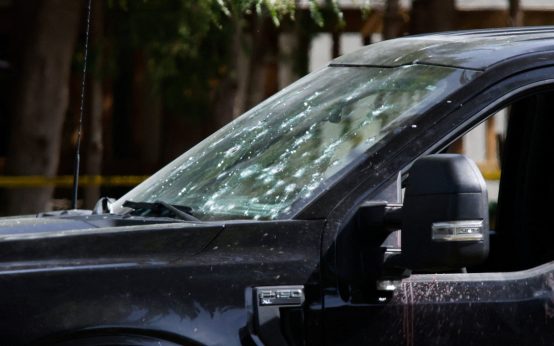 Ontario Synagogue Shooting During Yom Kippur Leaves One Officer and Shooter Injured
 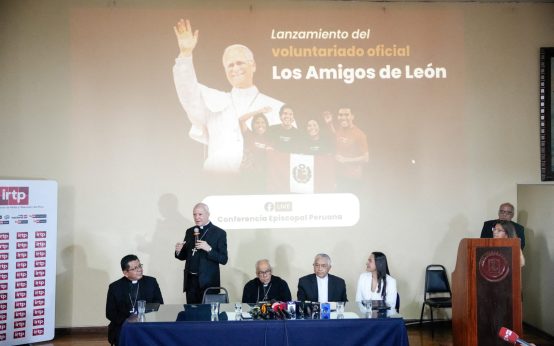 Pope Leo XIV’s Upcoming Visit to Latin America: An Overview
 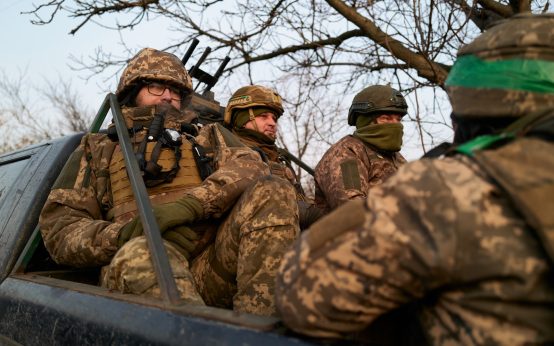 Ukraine Deploys Ground Robots in ‘Operation Vivaldi’
  Understanding AI’s Impact Compared to Historical Threats
 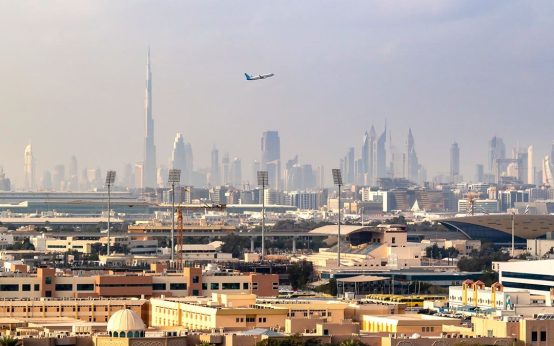 State Department Alerts on Middle East Travel Amid Rising Tensions
  Iran’s Attacks on Bahrain: The Impact on Military Families