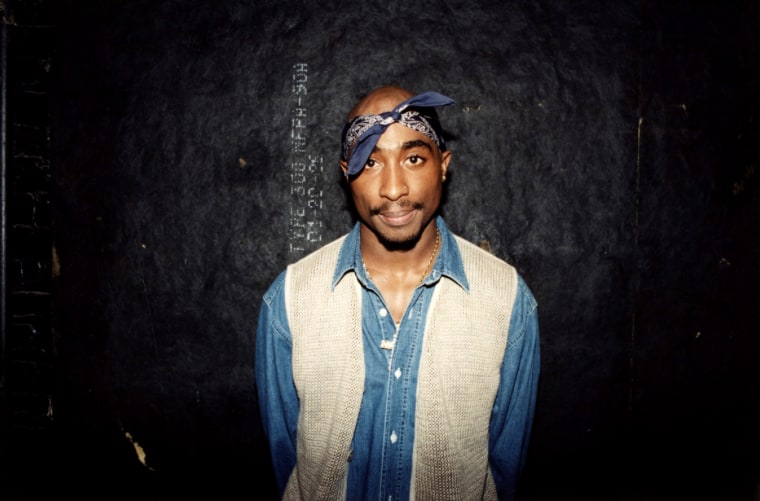
In Las Vegas, nearly 30 years after the drive-by shooting of legendary rapper Tupac Shakur, the man believed to have orchestrated the crime is set to face trial. Duane “Keffe D” Davis, aged 63, is charged with murder using a deadly weapon, intended to promote or assist a criminal gang in Shakur’s death. Davis, jailed since late 2023, pleads not guilty.
Tupac Shakur’s unsolved murder has captivated hip-hop enthusiasts for decades. Considered one of hip-hop’s most influential figures, his music addresses themes of love, heartache, and family. At the time of his death, Shakur was embroiled in a fierce rivalry within a music scene heavily influenced by gang affiliations.
Trial Details
The trial is expected to last around a month. It aims to demonstrate Davis’s role as the mastermind and provider of the weapon, though the shooter’s identity may remain undisclosed. Gunshots originated from the Cadillac Davis occupied, and he is one of the sole survivors from that night. Prosecutors claim Davis’s own admissions, both in writings and interviews, were crucial to bringing charges against him.
The Cold Case Reopened
On September 7, 1996, Shakur occupied the passenger seat of a black BMW driven by Marion “Suge” Knight, co-founder of Death Row Records. They had just witnessed Mike Tyson’s victory over Bruce Seldon and were en route to a nightclub where Shakur was to perform. At a red light near the Las Vegas Strip, a white Cadillac pulled up, and gunfire erupted. Shakur was hit multiple times, succumbing six days later, while Knight sustained only minor injuries. Knight is currently serving a 28-year sentence for a hit-and-run incident.
The case regained momentum when Davis publicly discussed his role as a South Side Compton Crips leader. His 2019 memoir and interviews prompted law enforcement to revisit the case.
Defense and Prosecution
Davis’s defense contends there is no evidence tying him to the shooting directives, relying on the accounts of absent witnesses. They emphasize Davis’s exit from narcotics in 2009, citing steady employment until retiring due to illness in 2014.
For the Shakur family, the past three decades have been fraught with anguish and stress, according to his stepbrother Maurice “Mopreme” Shakur. Attending the trial will be retraumatizing, yet Mopreme is hopeful for justice, expressing a desire for fairness and truth.
Gang Rivalry and Allegations
Grand jury transcripts describe Shakur’s shooting as a manifestation of rivalry between record labels — Death Row Records led by Shakur and Mob Piru gang alliances, versus Bad Boy Records led by Sean “Diddy” Combs and protected by South Side Compton Crips. Davis allegedly orchestrated the attack to retaliate after Shakur and his entourage assaulted Davis’s nephew, Orlando “Baby Lane” Anderson, shortly before the shooting.
Using Davis’s Book as Evidence
The prosecution intends to utilize Davis’s memoir “Compton Street Legend,” which he co-authored, to support their case. It details his role and insights into the Crips, along with statements made in police interviews. Although Davis’s legal team contested the memoir’s use, claiming it was fictionalized and co-authored, the court permitted its inclusion.
Davis recounted a narrative where Shakur triggered the conflict by assaulting Anderson, sparking retaliation. He described passing a gun to the back seat of the Cadillac before confronting Shakur and Knight. He alleged Shakur reached for a weapon, prompting gunfire from the back seat, yet no weapon was recovered from Shakur’s vehicle.
Retired Las Vegas police Detective Clifford Mogg, involved in the investigation, affirmed the absence of a gun in Shakur’s car.
Potential Outcomes
The trial could bring much-awaited resolution or introduce further complexities. Mopreme Shakur acknowledges that while true justice for Tupac’s loss is unattainable, exploring allegations against other involved figures, like Combs, is crucial.
Tupac Shakur’s legacy endures, with over 75 million records sold globally. His hits, including “California Love,” “Changes,” and “Dear Mama,” continue to resonate. His impact on hip-hop remains unprecedented, underscoring his remarkable influence in a short span, as noted by Jeffrey O.G. Ogbar, a history professor and founding director of the Center for the Study of Popular Music at the University of Connecticut.