
President Donald Trump has recently implemented significant changes to childhood vaccine guidelines. One notable change involves allowing parents to decide whether to vaccinate their children against rotavirus. This virus is a common cause of severe diarrhea and dehydration in infants and can lead to hospitalization for intravenous fluid treatments.
The decision to make rotavirus vaccination optional has sparked debate among healthcare professionals. Experts highlight that rotavirus poses significant health risks, especially for young children. They stress that vaccination is a crucial preventive measure against the virus.
Rotavirus vaccination has historically reduced hospitalizations and severe illness cases. Public health advocates argue that maintaining a high vaccination rate is essential to protecting public health. These changes might affect a parent’s decision-making regarding their child’s health.
As the new guidelines come into effect, healthcare providers and parents must navigate these changes carefully. Understanding the risks and benefits of vaccination remains vital for making informed decisions about childhood vaccinations.
 Vaccine Targeting Skin Cancer Shows Promising Results
 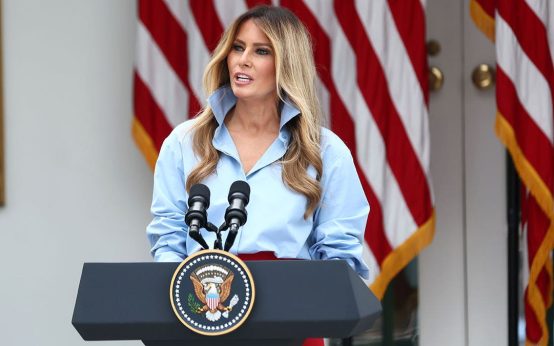 Melania Trump Announces $2 Million Scholarship for Foster Youths
  Experimental Cancer Vaccine Shows Promise in Reducing Melanoma Recurrence
  Providence Health Plan Collapse Affects Over 64,000 Seniors
  Health Consequences of the Boyle Heights Warehouse Fire
  Storms Ravage Northeast U.S. with Heavy Rain and Winds