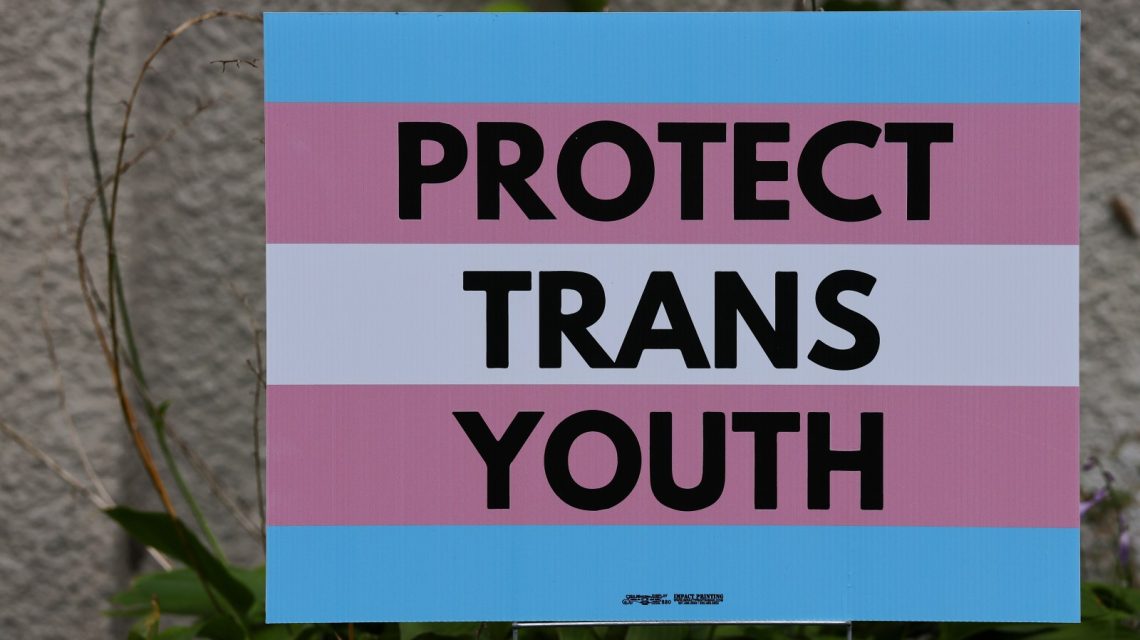
President Donald Trump declared that his administration will cease the use of federal Medicaid funds for gender-affirming surgeries and hormone treatments for transgender minors. This decision raises questions about the availability of such care in states with protections for transgender youth. The move is part of Trump’s broader effort to restrict services for transgender minors.
The administration’s action follows policies limiting transgender students’ participation in school sports. Numerous Republican-led states have banned transgender athletes from competing on teams aligned with their gender identity. Despite federal changes, states with protective laws can still allow providers to offer treatments. These states may use state funding to cover certain services.
In a Truth Social post, Trump proclaimed: “Today, at my direction, Dr. Mehmet Oz announced that Medicaid will NO LONGER fund gender transition surgeries and hormones for minors.” Trump argued the policy would protect children from what he termed “barbaric surgeries and practices.” The Centers for Medicare & Medicaid Services (CMS) confirmed that federal Medicaid funding will end for these treatments and the Children’s Health Insurance Program (CHIP) will also block coverage for those under 19. This policy takes effect in October.
State Protections and Divided Landscape
A review by the Kaiser Family Foundation (KFF) indicates a divided national landscape. As of May, 27 states have laws or policies restricting youth access to gender-affirming care. Meanwhile, other states, notably on the West Coast and Northeast, protect access to this care. States such as California, Oregon, and New York have implemented “shield” laws, safeguarding legal providers and patients.
Despite these state protections, Trump’s Medicaid action can impact families, since federal funding significantly supports state Medicaid programs. This loss of reimbursement might create new barriers for low-income families seeking care.
State-Led Restrictions and Legal Battles
KFF data reveals that many restrictions are state-governed. Some states ban treatments like puberty blockers and hormone therapy for minors, while others protect access. Ongoing court challenges persist, with KFF noting 18 states face legal disputes over restrictions. The Supreme Court’s 2025 decision in United States v. Skrmetti sanctioned Tennessee’s ban on such care for minors, giving states more legal power to impose restrictions. However, this ruling does not mandate states to implement bans, resulting in varied policies across the nation.
Reactions from Advocates and Opponents
The Trump administration claims the change will shield children from potentially irreversible procedures. Health and Human Services Secretary Robert F. Kennedy Jr. stated Medicaid and CHIP funds will no longer cover procedures lacking sufficient evidence. CMS Administrator Oz mentioned the rule prioritizes “following the science” to protect children.
In contrast, LGBTQ+ advocates strongly oppose the rule. Kelley Robinson, Human Rights Campaign President, argues it disrupts medical decisions made between families and doctors. Leading medical organizations, including the American Medical Association and American Academy of Pediatrics, continue endorsing gender-affirming care adhering to established guidelines.
The administration’s recent directive aligns with its policy to halt Medicaid funding for gender-transition care for minors. However, this move does not eradicate nationwide access. State laws still heavily influence availability, with many states maintaining protective measures for transgender youth and healthcare providers.
 Blood Cell Characteristics as Predictors for Melanoma Treatment Outcomes
  Key Updates from Political Primaries Across the US
  Drug-Resistant Fungus Candida Auris Spreads Across the U.S.
  Trump Discusses National Emergency for Election Measures
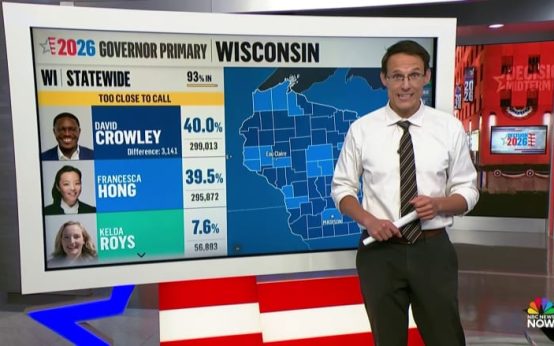
  Tight Race in Wisconsin’s Democratic Gubernatorial Primary
  Democrats in Vermont Nominate New Candidate Against Gov. Phil Scott