
Potential Capital Gains Tax Reforms
President Trump is reportedly mulling over reforms to capital gains taxes: indexing capital gains for inflation and exempting more home sales from the tax entirely. These changes aim to bolster the economy and address housing affordability, especially for young Americans.
Current Housing Crisis
Americans are worried about the rising cost of housing. Inflation and increased energy mandates have amplified home building costs, while illegal immigration strains a limited housing supply. Median home prices have shot up by 30 percent, and first-time homebuyers are getting older, with the median age reaching 40 by 2025. A shortage of nearly 5 million housing units remains.
Impact of Capital Gains Tax Exemption
Policymakers could alleviate the housing crunch by exempting home sales from capital gains taxes. This would provide immediate tax relief to homeowners. Currently, single filers can exclude up to $250,000 in profit from a home sale, while married couples can exclude $500,000. These exclusions haven’t changed since 1997, although median home prices have nearly tripled. By 2035, 70 percent of homeowners may exceed the cap, resulting in family-sized homes remaining off the market. Raising the exclusion or removing the tax can help bring these homes back to market.
Proposal to Index Capital Gains for Inflation
Indexing capital gains for inflation could also improve asset management, encourage new investments, and spur economic growth. This proposal addresses current injustices in the tax system, where inflation-related value increases are taxed. During high inflation periods, as seen under Biden’s tenure, when annual inflation exceeded 9 percent, taxpayers faced undue burdens.
Indexing would ensure taxes are only applied to real gains. Similar indexing exists for income tax brackets, retirement contributions, and Social Security benefits. Extending it to capital gains is overdue.
Criticism and Historical Context
Critics argue that conservative tax policies reduce government revenue and benefit the rich. However, history shows reduced tax rates can boost revenue. After Congress lowered the capital gains rate from 28 percent to 20 percent in 1981, collections doubled in four years. Further reductions to 15 percent in 2003 led to a 186 percent surge by 2007.
This policy offers essential relief to millions, including firefighters, teachers, and officers, especially in states with high living costs. It benefits longstanding homeowners, not just the wealthy.
Conclusion
The Trump administration is cleaning up the economic challenges it inherited, supported by growth-focused tax provisions like the Working Families Tax Cuts. Reforming capital gains taxes aligns with the administration’s economic goals, bringing existing homes back to market, reducing housing costs, and liberating capital for growth.
Michael Faulkender co-chairs the America First Policy Institute’s Center for American Prosperity and was a deputy Treasury secretary.
 Video Misrepresentation of Kamala Harris’ Speech
 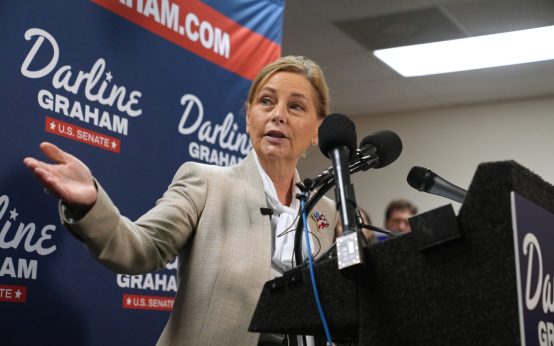 Trump Boosts Graham’s Campaign with Major Financial Support
  Latest Political Developments: South Carolina Senate Runoff and Key Meetings
  Trump Administration Plans Major Visa Revocation
  Avenal Officials Ordered to Vacate After Recall
  Michigan Senate Candidate El-Sayed Distances from Hasan Piker Amid Controversy