
President Donald Trump announced on a Saturday that new planned attacks on Iran would be stalled in favor of renewed discussions aimed at reducing the conflict and reviving cargo passage through the Strait of Hormuz. This marks a continued trend where Trump threatens substantial military actions only to retract them later, a pattern evident throughout the five months of conflict that has disrupted the economy and raised oil prices.
April 7
The United States and Iran reached a two-week ceasefire to halt the intense fighting initiated on February 28 with Israeli and U.S. attacks. Trump declared this agreement shortly before a deadline he had set for Iran, warning of attacks on infrastructure that could devastate cities if Iran didn’t comply.
April 21
Trump extended the ceasefire with Iran indefinitely, attributing this decision to requests from mediators who aimed to give Iran time to present new proposals. This temporary ceasefire endured until May 8, when the U.S. resumed strikes targeting Iranian oil tankers.
May 18
Amidst a weekend of threats, Trump paused a major military strike against Iran, citing the potential of successful negotiations as the reason. He expressed hope that a resolution could be achieved without further military action. However, by May 27, negotiations had failed, leading to renewed U.S. strikes.
June 11
Following a series of exchanges, Trump announced plans for a significant escalation, threatening to have control over Iran’s oil and gas industries. Hours later, he claimed progress in negotiations and called off the planned military action.
June 17
Trump signed a preliminary agreement with Iran for a permanent ceasefire and reopening of the Strait of Hormuz. A 60-day period was initiated to negotiate a long-term solution for Iran’s nuclear program. Trump’s commitment to the deal seemed tentative as he left open the possibility of resuming attacks.
July 7
In response to Iranian aggression on commercial vessels, Trump ordered new strikes on Iran during a NATO summit in Turkey. He expressed intentions to fully end Iran’s ceasefire after stating doubts about its continuance.
July 27
After intense U.S. strikes targeting various Iranian sites over thirteen days, Trump paused military actions for two weeks to encourage further negotiations. Iran had retaliated with missile and drone launches against U.S.-hosting nations in the Middle East.
August 1
Trump communicated that planned strikes on Iran were canceled following agreement parameters reached by Middle Eastern allies to resolve the conflict, including reopening the strait for navigation. Trump emphasized the global benefits of the decision but promised negotiations remained crucial to his decision.
Iran responded to these developments by stating their preparedness and continued vigilance against threats.
 Federal Appeals Court Decision Against Trump’s ‘Third-Country’ Deportation Policy
  Ed Sheeran’s Philadelphia Concert Amid Controversy
 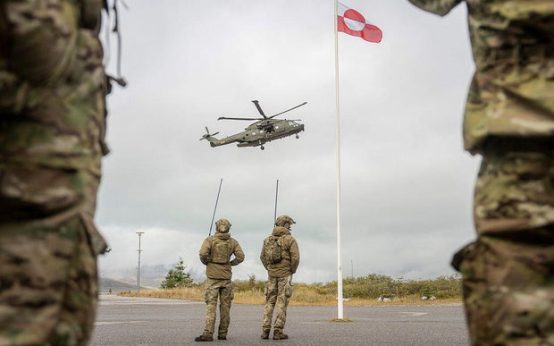 U.S. Secures Strategic Control Over Greenland
  U.S. Security Agreement in Greenland Sparks Optimism and Concerns
  Impact of Gender-Based Violence in South Africa
 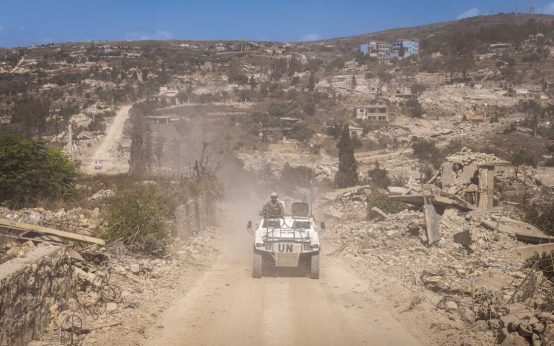 UNIFIL Operations in Southern Lebanon Amidst Ceasefire Challenges