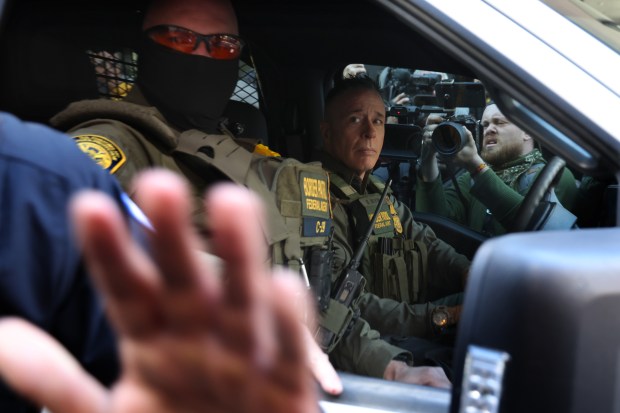
Gregory Bovino, the former Border Patrol chief, retired while facing an internal investigation concerning his conduct during immigration enforcement operations in Minneapolis and Chicago. Records released by the federal government provided insight into the situation.
In early March, an internal watchdog at the government level reached out to Bovino with an inquiry into allegations of misconduct reported to Customs and Border Patrol (CBP). This inquiry was documented through emails released by the CBP. The official, whose identity remains undisclosed, requested Bovino’s acknowledgment and a response to their questions on March 2. Shortly after, on March 18, Bovino informed an official of his retirement and relocation plans, eventually leaving the CBP later that month.
Bovino led several significant and controversial immigration enforcement operations, notably Operation Midway Blitz in Chicago, which resulted in fatalities, and Operation Metro Surge in Minneapolis earlier this year.
Through direct communication on X, Bovino expressed to the Tribune that the investigation was initiated “to cause me to retire.” The rationale for the release of these emails remains unclear. CBP made these documents available on the public Freedom of Information Act portal as “frequently requested records.” The records disclosed the agency’s concerns regarding a past finding by federal judge Sara Ellis. She determined that Bovino’s testimony in a Chicago court case was “not credible” concerning agents potentially violating the civil rights of protesters and media.
Bovino appeared evasive over the three days of his deposition, either providing ‘cute’ responses to Plaintiffs’ counsel’s questions or outright lying.
Judge Ellis wrote. The letter directed to Bovino by a federal official included a question about what should occur when a Border Patrol agent is found to have ‘not credible’ testimony by a U.S. District Judge. Under the Supreme Court case Giglio v. United States, the letter noted that prosecutors must disclose when an official’s credibility is compromised by past dishonesty or misconduct incidents.
The question asked Bovino whether Judge Ellis’s findings rendered him ‘Giglio impaired’, a term used in law enforcement related to credibility.
The question stemmed from a prior lawsuit in which the Chicago Headline Club, along with other media organizations, sued the federal government over its treatment of protesters and media members. The case led to Judge Ellis issuing a broad preliminary injunction in November, restricting federal agents’ use of tear gas and similar munitions against the press and protesters. It also mandated that agents wear body cameras and identifiable attire. This situation became symbolic of the turmoil Operation Midway Blitz caused in Chicago. The operation was detailed through Bovino’s and other leaders’ sworn depositions and body-camera footage showing agents using tear gas, pointing guns from moving vehicles, and tackling civilians.
Bovino consistently dismissed the judge’s findings. His deposition comments, reportedly from a January meeting with the United States Attorney’s Office in Minneapolis, also drew scrutiny. Inquiries were made regarding whether Bovino, upon hearing that a prosecutor wouldn’t participate due to being an Orthodox Jew and it being Saturday, stated, “Do orthodox criminals also take off Saturday?” A reference to the “chosen people” was also asked about during the investigation.
In written communications, Bovino stated to the Tribune that the investigations were fabricated after his departure from Minnesota. He claimed false accusations of lying to Ellis and mentioned a review board’s favorable decision for him. Despite this, CBP Commissioner Rodney Scott escalated the issue to another office for further examination. Bovino learned of the alleged antisemitic comments through the New York Times. Bovino criticized the media’s prior knowledge of the investigation.
Unprecedented to have the media know you are under investigation when you don’t,
Bovino stated. He sought legal counsel, deeming it a political maneuver.
Homeland Security officials did not respond to requests for comment. Since retiring, Bovino critiqued the Trump administration’s immigration policies. In a recent interview with ex-Fox News host Tucker Carlson, Bovino claimed that Trump officials removed his security detail because they desired him harmed. He further accused the administration of abandoning its immigration promises, criticizing both border czar Tom Homan and Scott. Bovino’s online posts alluded to his contentious end of government service.
The mission got recast as ‘smarter’ and ‘softer.’ The tempo dropped. Self-deportations stalled. Then Rodney Scott used the dirtiest government trick. He weaponized IA against agents. Open a file. Strip the security detail. Investigate the security,
explained Bovino. He concluded by suggesting the strategy made the job undesirable, prompting retirements without public dismissals.
 Judge Orders Force-Feeding for D.C. Shooting Suspect
 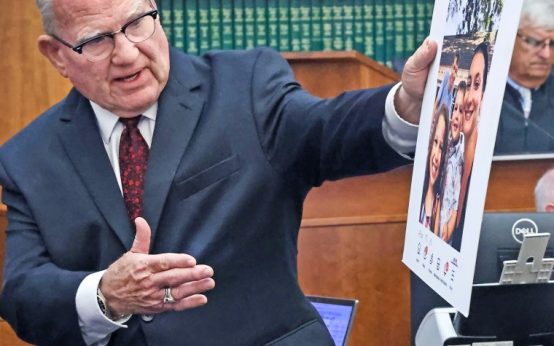 Deliberations Continue in Lindsay Clancy’s Murder Trial
 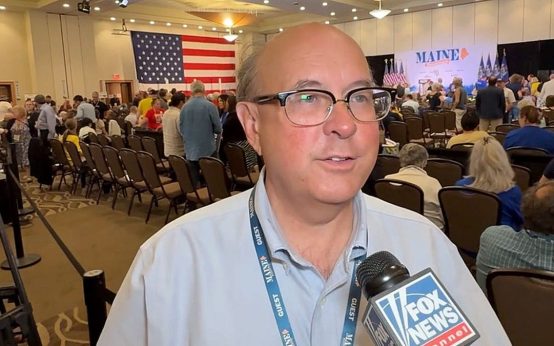 Maine’s Auditor Matt Dunlap Addresses Medicaid Fraud Concerns Amid Congressional Race
  Kentucky Woman Indicted for Defacing WWII Memorial
  Robert Dominic’s Behind-the-Scenes Life and Guilty Plea
  Cuban National Accused of Burglary in South Florida