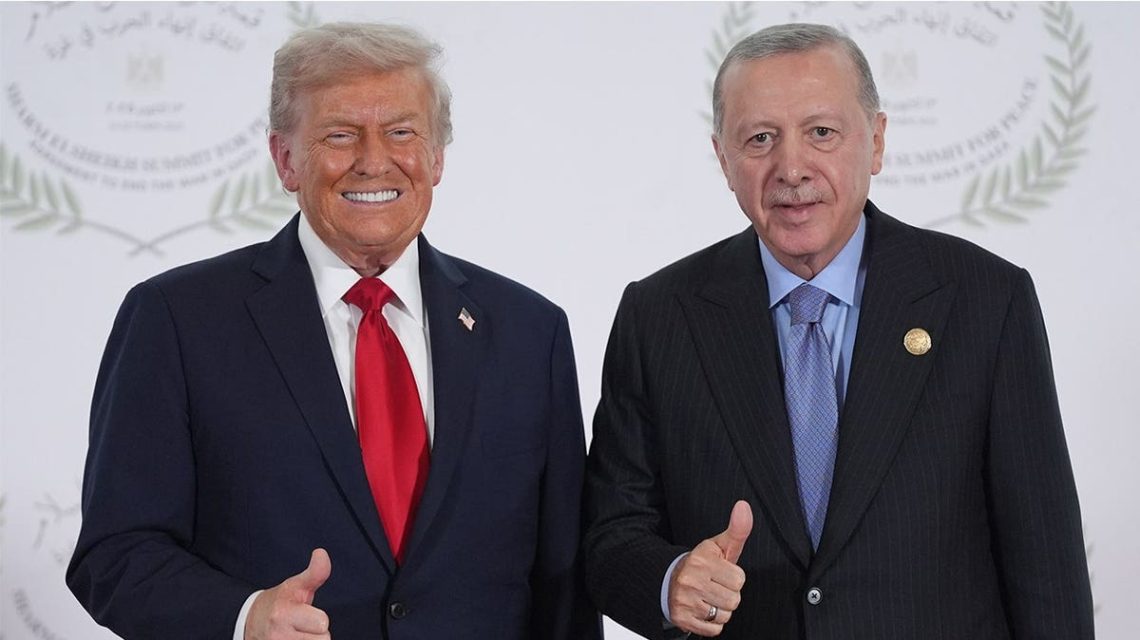
President Donald Trump plans to attend the NATO summit in Ankara, Turkey, focusing on strengthening ties with Turkish President Recep Tayyip Erdoğan. Trump described Erdoğan as “a friend” and “a respected leader,” signaling potential closer defense cooperation between the United States and Turkey.
The summit in Ankara highlights a significant shift in U.S.-Turkey relations. Previously, the U.S. expelled Turkey from the F-35 fighter program in 2019 and imposed sanctions on its defense agency due to Turkey’s acquisition of Russia’s S-400 air defense system. These actions marked a challenging period for their alliance within NATO.
Analysts note that Turkey is increasingly pivotal as NATO tackles threats like Russia, Middle Eastern instability, and Black Sea tensions. Former U.S. Ambassador to Turkey, James Jeffrey, emphasized Turkey’s critical role, citing its strategic military power and geographical influence.
For Trump, personal chemistry plays a crucial role. He genuinely admires Erdoğan, viewing him as a decisive leader. However, the strategic importance of Turkey extends beyond personal relations. Trump’s administration recognizes Turkey’s significance in bolstering NATO’s military strength and geopolitical reach.
Renewed NATO priorities focus on collective defense, highlighting the importance of military contribution. Turkey has NATO’s second-largest military and controls crucial geographic chokepoints like the Bosporus and Dardanelles. Its defensive capabilities and willingness to exert power make it indispensable to the alliance.
Russia’s actions in Ukraine and Middle Eastern volatility heighten Turkey’s value. Ankara’s enforcement of the Montreux Convention limited Russian naval expansions in the Black Sea. Turkey’s provision of Bayraktar drones to Kyiv further illustrates its strategic role in the region. The fall of Assad’s regime in Syria also underscores Turkey’s influence, aligning U.S. interests with Turkey.
Despite strategic benefits, critics highlight concerns about Turkey’s diverging foreign policy under Erdoğan. Issues include support for Hamas post-2023 attacks on Israel, the continued use of the S-400 system, and engagement with non-Western blocs like BRICS and the Shanghai Cooperation Organization.
Sinan Ciddi, a senior fellow at the Foundation for Defense of Democracies, argues Turkey’s NATO membership clashes with these affiliations. Turkey’s support for Hamas complicates U.S.-Turkey defense ties despite Trump’s positive relations with Erdoğan.
Proposals for increased U.S. arms sales to Turkey, including F110 fighter engines, face congressional opposition, primarily due to concerns about the S-400 system. Rep. Gregory Meeks and other legislators question the State Department’s rationale, reflecting wider skepticism in Congress.
Jeffrey suggests the sale of F110 engines is more manageable compared to the F-35 program. Operating the S-400 alongside the F-35 presents technical challenges that could risk U.S. military technology security.
 Trump Delivers Warning to Iran, Cuba at UN General Assembly
  Trump Delivers Stern UN Speech on Iran, AI, and Global Security
 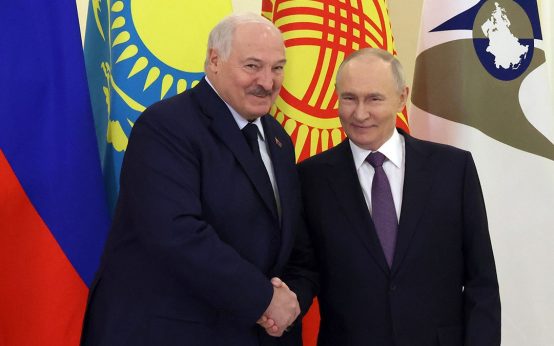 Lukashenko and Putin’s Unique Relationship and Belarus’ Strategic Role
 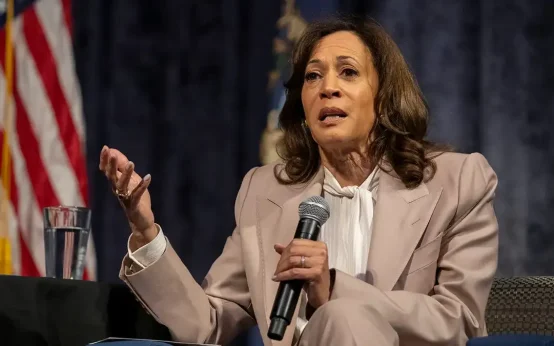 Harris Discusses Potential 2028 Presidential Run
  Far-Left Groups Allegedly Organize Protests in Austin
 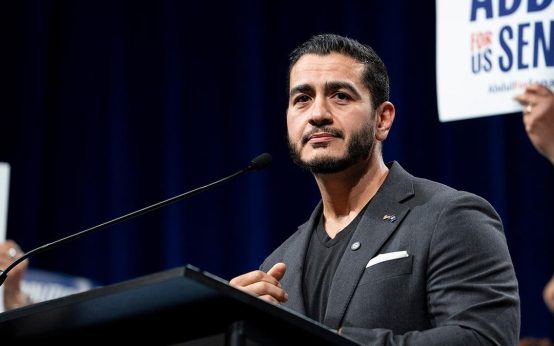 Michigan Senate Nominee Abdul El-Sayed Criticized for Remarks on Reproductive Rights