Tupac Shakur Murder Trial: Evaluating Key Evidence
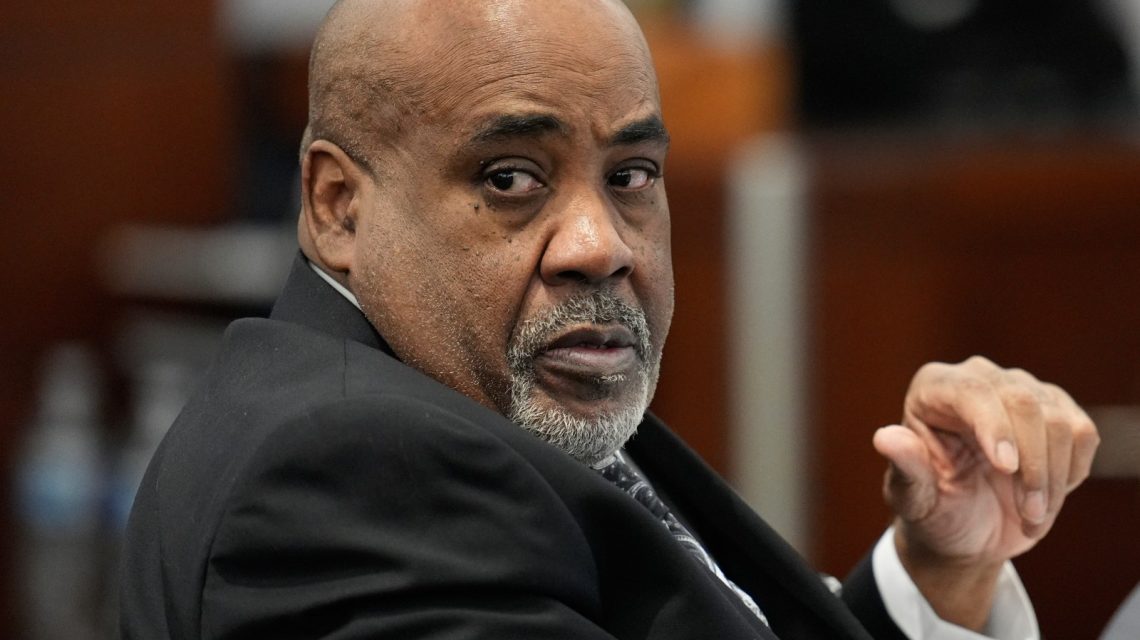
Nearly 30 years after Tupac Shakur was killed on the Las Vegas Strip, the trial of Duane “Keffe D” Davis has put his memoir, Compton Street Legend, under scrutiny. Prosecutors claim the book reveals his role in the retaliation that resulted in Shakur’s death. Davis’ defense, led by Michael Sanft, argues the memoir is self-promotional and not reliable evidence.
Prosecution’s Arguments
Prosecutors assert that Davis has consistently revealed details about the incident, both in private and public statements, supported by his book. They argue that:
- Davis was outraged by the MGM Grand incident involving his nephew, Orlando Anderson.
- He acquired a firearm used during the search for Tupac and Suge Knight.
- He was present in the white Cadillac linked to the shooting.
- The South Side Compton Crips wanted revenge after Anderson’s beating.
- The white Cadillac encountered Shakur’s BMW on the Las Vegas Strip.
Defense’s Counterarguments
Sanft encourages jurors to consider the memoir as potentially fictional and emphasizes that:
- No physical evidence like fingerprints or DNA ties Davis to the crime.
- Investigators used the book in judicial proceedings without verifying its authenticity.
- Davis might have embellished the story to enhance his reputation after the book’s publication.
Corroboration Debate
The defense argues investigators failed to confirm Davis’ claims from a 2008 federal interview. They question why Davis was not charged soon after the statements if a confession was made. In contrast, the prosecution highlights a pattern of consistent narratives from Davis across multiple platforms.
Trial Coverage
The trial, held in Las Vegas, includes testimonies from various individuals linked to the case. Media outlets are streaming the proceedings, enabling public access to the trial’s developments.
Background of Tupac’s Shooting
On September 7, 1996, Tupac Shakur was shot near the intersection of Flamingo Road and Koval Lane in Las Vegas while in a BMW driven by Suge Knight. After being hospitalized for almost a week, Shakur died on September 13, 1996.
Context of Tupac and Biggie Smalls’ Feud
Tupac’s rivalry with Christopher Wallace, a.k.a. Biggie Smalls, was pivotal in the 1990s hip-hop scene. The tension reflected the broader East Coast-West Coast conflict between Bad Boy Records and Death Row Records. This rivalry plays into the current trial narrative, as prosecutors allege connections involving the involved gangs and record labels.
Trial Developments
The trial continues as jurors hear from investigators and witnesses. Their decision hinges on whether Davis’ memoir aligns with his past statements or is sensationalized fiction. This determination could make it a key piece of evidence or another component of the longstanding mystery surrounding Tupac’s death.
 Challenges and Future Plans for the Canadian Army
  China’s State Visit and the Implications for Trade and Military Growth
  Russia Criticizes U.S. Base and Nuclear Plans in Lithuania
  Trump’s Influence in Latin America: Political Wins and Strategic Moves
  Flávio Bolsonaro’s Strategic Decision in U.S. Visit
  Russian Scientist’s Death Raises Concerns Over Plague Exposure