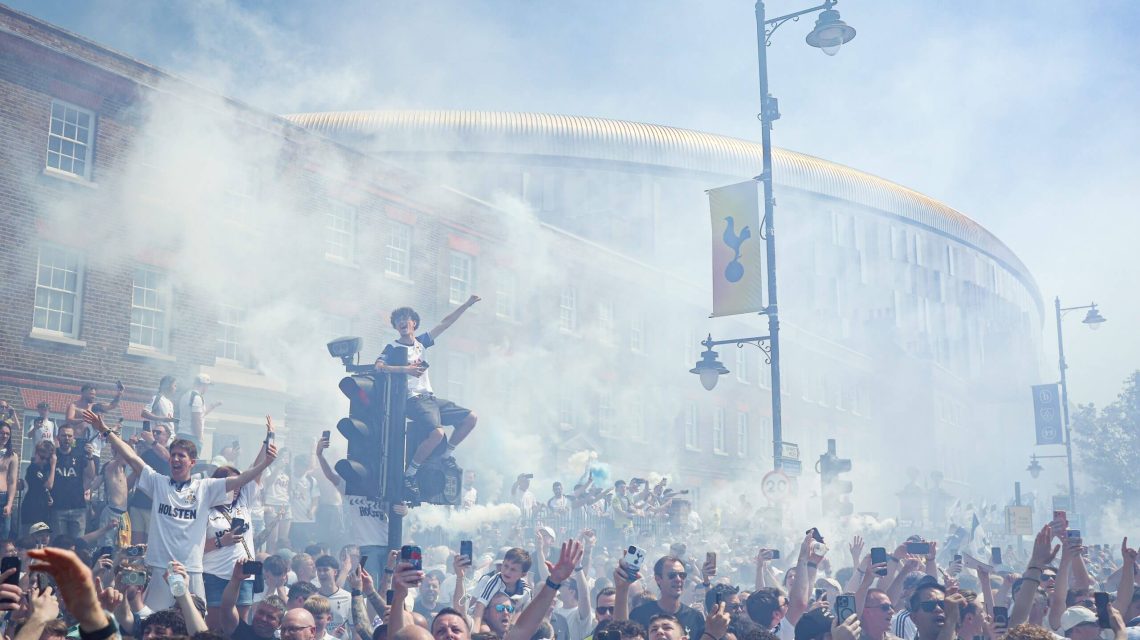
Tottenham Hotspur: A Year of Resilience and Challenges
Sunday at the Tottenham Hotspur Stadium brought a familiar sense of unity and community, echoing the atmosphere of past triumphs. Thousands of Spurs fans gathered to enthusiastically welcome their team, eager to provide support, despite no trophy on the line. The crowd stayed post-match, filled with emotion, as they celebrated the players, management, and staff.
This vibrant scene marked a rare moment of joy and unity since the stadium’s opening in 2019. Notably, the cheers were directed at manager Roberto De Zerbi, whose leadership was credited with preventing the club’s potential relegation. De Zerbi’s impact was evident, having secured 11 points over the last six games, a managerial achievement he regarded as one of his best.
The relief felt among the fans could light up the stadium, with fears of relegation erased. For months, the club had been haunted by thoughts of financial strain, player departures, and loss of status. De Zerbi emphasized the gravity of preserving Spurs’ ‘dignity’ amidst prospects of a lower division.
Tottenham has a history of success, including winning the Europa League, reaching the Champions League final, and maintaining strong financial standings. Relegation would have tarnished the club’s reputation. Fortunately, the crisis was averted and Spurs will resume Premier League play in the upcoming season.
A Season of Setbacks and Decisions
Despite avoiding relegation, the season was still marked by failures. A precarious situation in May and reliance on other teams’ losses for survival was embarrassing. Consecutive seasons of losing streaks raised questions about management and resource allocation.
Ownership mismanagement was apparent, resulting in internal clashes and instability. Positive leadership only emerged with De Zerbi’s arrival, after other attempts proved unsuccessful.
Changes Off the Field and Management Adjustments
Spurs aimed for regeneration following last season’s Europa League success, adopting another reset with hopes of improvement. However, coaching shifts led to issues. Thomas Frank was brought in to reinforce defensive strategies but failed to resonate with the players, easing into a decline.
Neither the players nor Frank could cultivate the discipline or camaraderie necessary for success. Leadership changes on the executive level aimed to revitalize operations. Yet, challenges persisted, indebted to outdated strategies.
With squad quality diminishing, Tottenham faced personnel issues due to prominent departures and injuries. Budget constraints further accentuated these challenges.
Leadership Shifts and Their Impact
Chairman Daniel Levy’s tenure ended abruptly, a decision with sweeping implications for the club’s management style. This change marked Spurs as essentially a new club, forcing a reorganization of leadership and responsibilities.
The new management aimed to empower and decentralize operations. However, it risked complicating decision-making processes, raising concerns about crisis handling capabilities.
The Turn of the Tide: De Zerbi’s Arrival
Ultimately, De Zerbi was appointed to stabilize operations. His leadership energized the squad, unraveling long-standing inhibitions. Under his guidance, players expressed a newfound motivation, exhibiting enhanced organization and belief.
Victories against Wolves, Aston Villa, and Everton signaled a shift, underpinning a narrative of redemption and hope.
As the club regroups, De Zerbi’s success offers a path forward. His tenure underlines the potential for future growth and lessons learned from this challenging season. It remains imperative for all associated to prevent recurrence of past struggles.
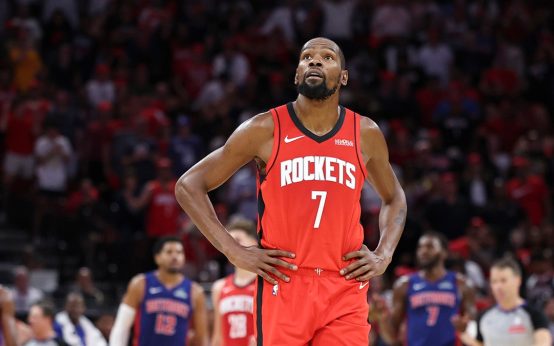 Kevin Durant Chooses to Focus on WNBA Success Amid Gender Debate
 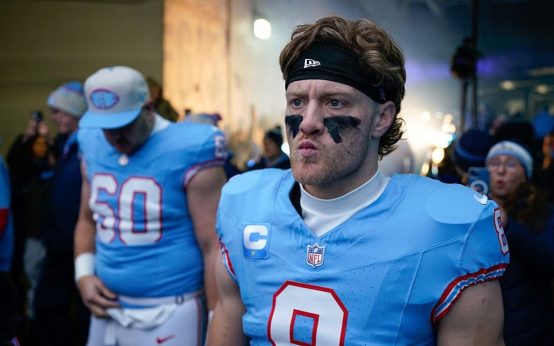 Will Levis Joins New York Jets Practice Squad
 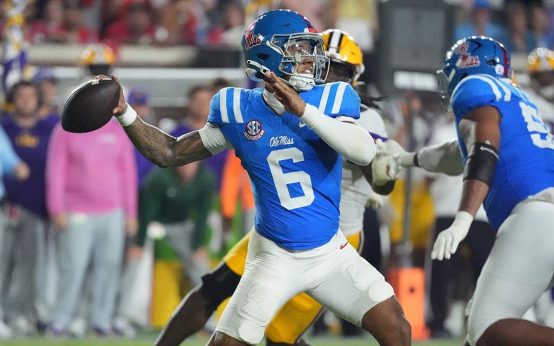 Lane Kiffin’s Overhyped Status: Ole Miss vs LSU Analysis
 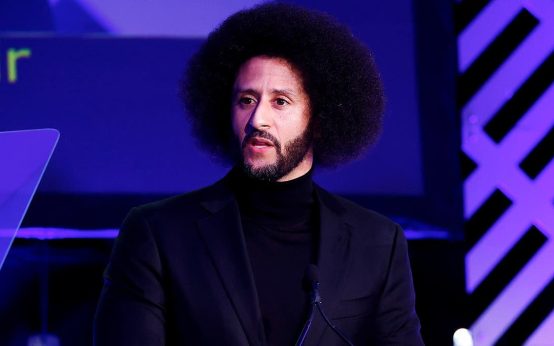 Criticism of Kaepernick’s NFL Draft Comparison
  Sports, Fashion, and Hunting: Latest Highlights
 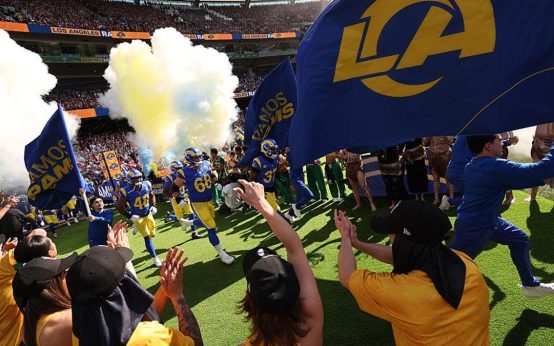 Los Angeles Rams Regain Momentum After Overcoming Australian Setback