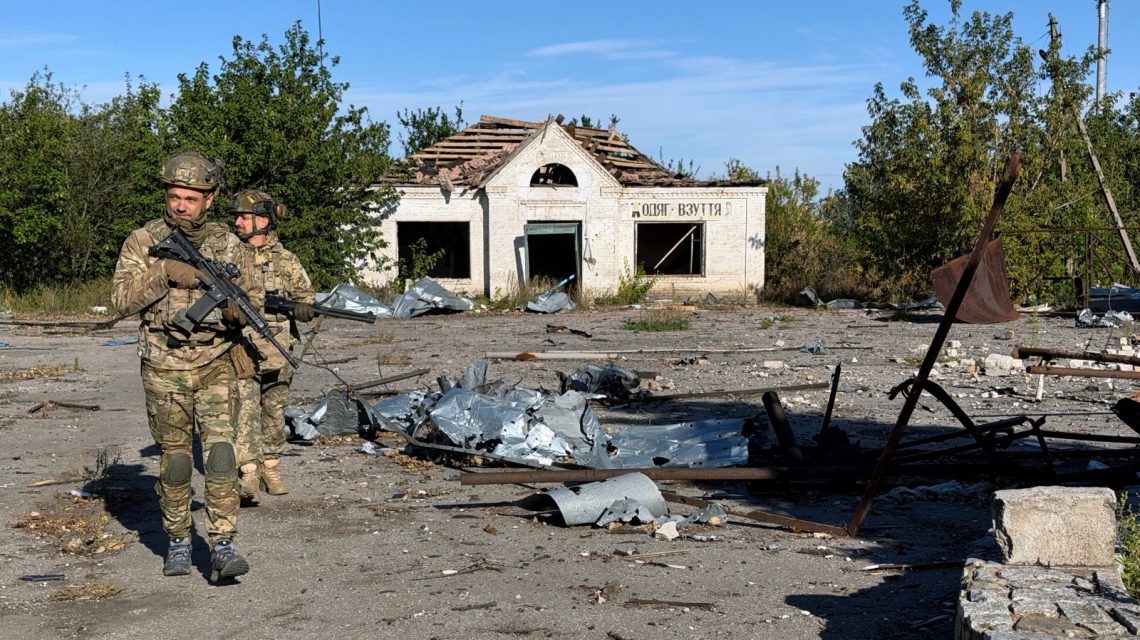
Ukraine’s Tactical Advances and Winter Preparations
The territorial gains made by Ukraine’s counteroffensive in the Donetsk region are leading into a pivotal period as the cold weather arrives. Russia’s increased long-range strikes are expected as one of the toughest winters of the war approaches.
Ukraine’s efforts, including the use of bomber drones and automated systems, formed a part of Operation Vivaldi. This operation disrupted Russian forces trying to encircle strategic areas vital for defending the Donbas.
The conflict’s intensifying phase comes as Kyiv claimed ruination of Russian military strength, with reports of 46,000 Russian troops lost last month. This stands with no territorial success, suggesting a strategic shift toward attacking Ukraine’s energy systems.
Operation Vivaldi and Technological Innovations
President Volodymyr Zelensky announced another stage of Operation Vivaldi to thwart Russian efforts to control the Donbas. Started over summer, its details have emerged as critical, with Ukrainian forces regaining nearly 68 square miles, aided by remote-controlled systems.
Brigadier-General Andrii Biletskyi noted these systems, including attack ground robots, were on the forefront of attacking the Russian rear. A robotic amphibious unit also played a key role in logistics, traversing diverse terrains and supporting troops effectively.
The operation secured better positions for Ukraine north of Lyman, maintaining crucial highways and countering encirclement threats. Giorgi Revishvili emphasized the strategic superiority Operation Vivaldi achieved by maintaining a veil of secrecy and is eager for how its final phase will unfold.
Winter’s Strategic Implications
Russian aerial attacks on Ukrainian infrastructure have surged recently, focusing on energy targets around Kyiv and using faster drones challenging Ukrainian defense systems.
Ukrainian Prime Minister Serhiy Koretskyi highlighted the increase in combined raids focused on crippling energy facilities since April’s end. These airstrikes are not only hitting energy plants but also infrastructure crucial to city logistics and public safety.
Economic Minister Oleksandr Kravchenko warned of the upcoming harsh winter, highlighting continuous threats to critical infrastructure like Kyiv’s bridges, essential for transporting necessities.
Yuriy Boyechko stated that repeated attacks on these crossings could potentially isolate Kyiv, exacerbating the challenges posed by winter, turning energy shortages into a humanitarian ordeal.
Ukraine’s Battlefront Challenges and Russian Assertions
Despite proud claims by President Putin about Russian advancements, data from the Institute for the Study of War contradicts, showing a significant territorial deficit and dismissing Kremlin’s optimistic portrayals.
In the coming months, Ukraine must brace for increased deployment of Russian military hardware, which could intensify with worsening weather conditions. This may benefit Russian forces in terms of stealth advances and equipment deployment.
Revishvili suggested Ukraine’s forces might struggle with decreased visibility and reconnaissance, pivotal in counteracting any potential Russian gains during these challenging months ahead.
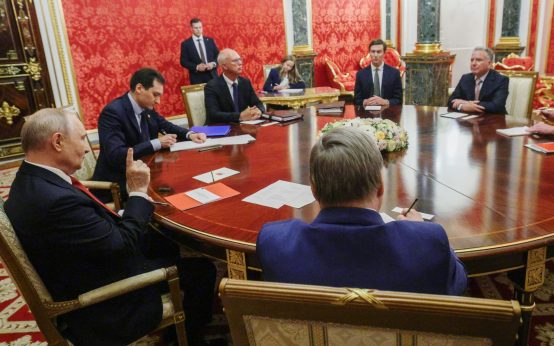 Russia’s Resilience Amidst Western Sanctions
  Tensions Rise Between U.S. and South Africa Over Diplomatic Disputes
 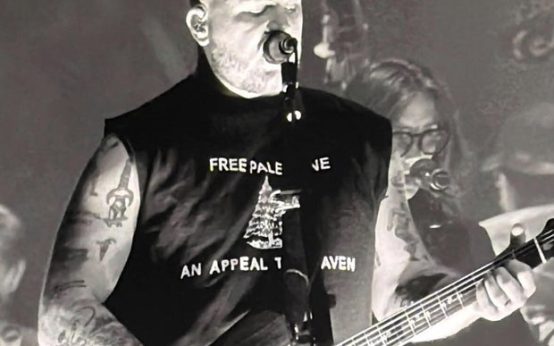 Musician Zach Bryan Wears ‘Free Palestine’ Shirt at Gillette Stadium Concert
  Celebrity Comments Spark Controversy and Career Consequences
  Suspected Plague Outbreak in Siberia: A Detailed Report
  G7 Nations Agree to Release 100 Million Barrels of Oil Amid Rising Fuel Prices