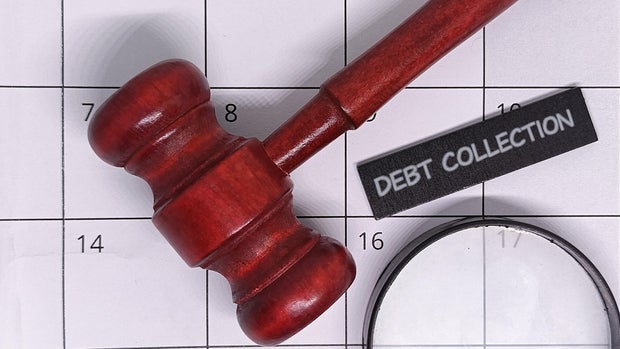
When debt goes to collections, it’s a serious matter, but it doesn’t necessarily mean a lawsuit or financial disaster is inevitable. Understanding your rights and options can help you navigate this challenging situation effectively.
What Happens When Debt is Sent to Collections
When a debt goes to collections, communication typically shifts from the original lender to a third-party collection agency. You’ll likely receive calls and letters demanding payment. Under federal law, collectors must provide a validation notice within five days of initial contact, detailing the debt amount, creditor, and how to dispute it.
If you suspect an error, you can dispute the debt within 30 days, and the collector must pause collections until they verify the debt.
Common Misconceptions About Debt Collection
Receiving a collection notice can be alarming, but a debt collector cannot garnish wages without a court judgment resulting from a lawsuit. Although some debts, like federal student loans, follow different rules, for most consumer debts, garnishment requires legal proceedings.
Contrary to some fears, failing to pay a debt is not a criminal offense, and debt collectors cannot threaten arrest to force payments. Such threats are illegal.
The Impact of Debt Collection on Credit
Unpaid collection accounts typically harm your credit score. Missed payments reported by the original creditor can lower your score, and collection accounts may continue to affect it for seven years. However, not all agencies report to bureaus, and newer scoring models may ignore paid collections, especially medical debt.
Resolving Debt Collection Issues
Settlement options exist, depending on your situation. Debt collectors may settle for less or offer a payment plan. Always verify the legitimacy of the debt before agreeing to terms. Keep in mind that making payments on older debts can restart the statute of limitations for lawsuits in some states.
Legally, collectors can’t harass you with calls at inconvenient times or use abusive language. You can request in writing to stop contact, though certain legally required notices might continue.
Concluding Advice
Navigating debt collections requires understanding your rights. Verifying the debt, considering negotiation options, seeking credit counseling, or consulting with a debt relief company can help manage the situation effectively. Avoid rushed decisions and understand all aspects before making agreements.