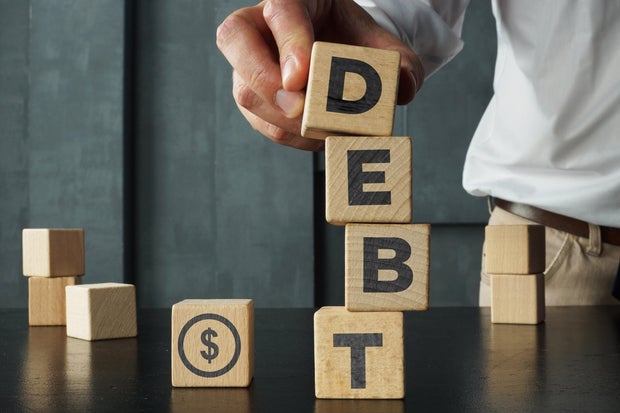
Household budgets have been facing pressure throughout the year. Many borrowers find that pressure becoming more challenging to manage. High interest rates on credit cards make it difficult to reduce balances. Inflation continues to increase costs, impacting budgets negatively. As charges grow, borrowers see minimum payments as an ineffective way to become debt-free. More interest charges consume each payment, leaving balances unchanged.
These financial pressures have led borrowers to reconsider their options. Some decide to tighten already constrained budgets. Others explore ways to boost their income. For some, it involves examining if creditors might forgive a portion of their owed debt. Debt forgiveness is not automatic for borrowers but can occur if lenders prefer settling for less than risking complete non-payment.
With August approaching, those in specific circumstances might qualify for reduced debt settlements. Understanding who qualifies and why creditors negotiate can be beneficial.
Qualifying for Debt Forgiveness
Not everyone can settle debt for less. However, certain borrowers may have a stronger case:
Borrowers with Genuine Financial Hardship
Creditors often forgive a portion of debt if a borrower faces significant financial challenges. These can include job loss, reduced hours, medical emergencies, divorce, or other events affecting household income and repayment capabilities.
If you face such hardships, demonstrate your inability to maintain current payments. Use pay stubs, unemployment records, medical bills, or financial documents as proof. Strong documentation enhances your case for debt forgiveness.
Borrowers Behind on Payments
Debt settlements might be negotiable before serious delinquency. However, creditors are more open to forgiveness after several missed payments. At this stage, lenders might see a risk of non-payment, which can make reducing the balance more appealing.
Do not stop payments deliberately to seek forgiveness. Delinquent accounts harm credit, trigger collections, and elevate stress. If you’re already behind and recovery seems unlikely, consider negotiating before things worsen.
Borrowers with Large Unsecured Debt Balances
High-rate credit card debtors might negotiate more effectively with substantial unsecured debts. Significant debts are harder to repay if only minimum payments are possible due to interest compounding. Creditors might accept reduced sums rather than pursue uncertain collections long-term.
Borrowers Offering Lump-Sum Payments
Creditors often prefer immediate lump-sum settlements rather than future uncertain payments. Borrowers who can make such offers often have better negotiation leverage than those proposing payment plans.
Lump sums can come from savings, tax refunds, bonuses, asset sales, or family help. Debt settlement programs through reputable companies can also assist in arranging settlements.
Exhausted Other Repayment Options
Debt forgiveness is typically a last-resort measure. If other repayment methods have failed, and forgiveness is the only option, creditors may be more open to settlements.
Demonstrating genuine efforts to resolve obligations strengthens negotiations. Showing forgiveness as a last-option strategy can make creditors more receptive.
The Bottom Line
Debt forgiveness suits borrowers in genuine financial hardship, those with significant unsecured debt, delinquent accounts, or a lump-sum offer. It may not suit everyone. Explore all options, understand tradeoffs, and ensure settlement agreements are documented. When approached strategically, debt forgiveness can aid in financial recovery.
 Gene Editing’s Ethical Dilemma and Potential
  Global Cancer Burden from Infections: Findings for 2024
  Voluntary Recall of Mezzetta Peperoncini Due to Pest Contaminant
  Federal Proposal Affects 7-OH Sales in Illinois Amid Rising Concerns
  Heidi Overton’s FDA Hearing on Vaccines and Abortion Pills
  Mia Constantinou’s Journey: From Soccer Fields to a Struggle with Spinal Health