
The Trump administration has unveiled a plan to allocate approximately $1.8 billion to compensate individuals who allege they were wrongfully investigated or prosecuted. This allocation presents a unique use of public resources, leading to inquiries about its operation and financial sources.
Here are six key aspects of the funding source and its distribution:
- Amount Allocated: The initiative involves a substantial $1.8 billion to address claims of wrongful investigations and prosecutions.
- Unique Nature of Funding: Utilizing such a large sum from public coffers in this manner is without precedent, eliciting a range of viewpoints.
- Purpose of the Fund: Compensation is intended for those who claim mishandling or undue investigation by authorities.
- Operational Details: Questions persist regarding the mechanisms by which the fund will operate and deliver payments.
- Source of Funds: Identifying the specific sources within the budget for this financial commitment remains a topic of discussion.
- Public and Political Impact: The proposal has sparked debate among policymakers and the public, considering the broader implications of such a fund.
The announcement was made recently by President Donald Trump during a press briefing near the site of a proposed ballroom at the White House.
 Nevada Attorney General Faces Questions Over Clemency Support for Convicted Killer
  Family Seeks Investigation After Grandmother’s Assisted Death in Canada
  Trump Administration Announces Major ACA Marketplace Fraud Crackdown
  Changes in Chicago’s Leadership: City Hall Legal and Administrative Shifts
 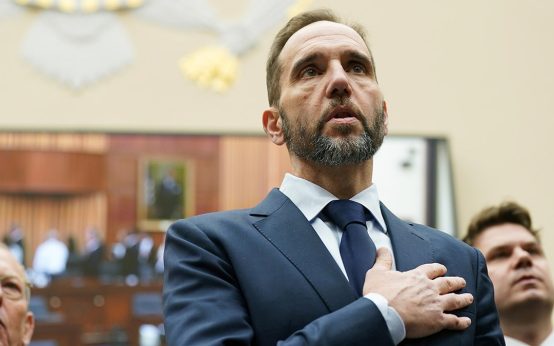 House Republicans Release Transcripts in Jack Smith Investigation
 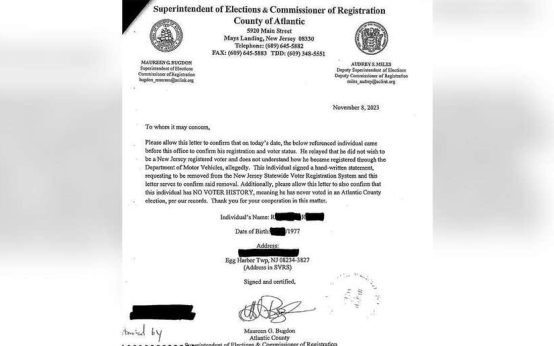 RNC Files Lawsuit for Transparency in New Jersey’s Voter Roll Maintenance