
The recent decision by President Donald Trump to revise the childhood vaccine schedule has sparked significant debate. Signed alongside Health Secretary Robert F. Kennedy Jr., the order aims to reduce the number of childhood vaccines. During the announcement, both figures suggested a link between vaccines and autism.
However, many researchers strongly oppose this view. Extensive studies have shown that vaccines do not cause autism. The medical community, relying on solid evidence, continues to advocate for vaccination as a safe and crucial measure for children’s health.
Parents and guardians face challenges in navigating these conflicting messages. Public health officials urge reliance on scientific research when making decisions about childhood vaccinations.
Research Findings
Scientific studies repeatedly disprove the alleged connection between vaccines and autism. Large-scale investigations have evaluated thousands of children. Their findings consistently show no increased risk of autism from receiving vaccines.
Organizations like the World Health Organization and the Centers for Disease Control and Prevention support vaccination. They emphasize its role in preventing serious diseases in children.
Public Response
The new vaccination schedule has met with mixed reactions. Some support the administration’s decision, aligning with their views on vaccine safety. Others express concern about the potential decrease in vaccine coverage and its impact on public health.
Clear communication from healthcare providers is vital. They play a key role in helping parents make informed choices about vaccinations.
As discussions continue, authorities and healthcare professionals must prioritize accuracy and transparency. Ensuring that decisions are based on credible research is essential for safeguarding public health.
 Novo Nordisk Unveils Weekly Insulin Dose for Type 2 Diabetes
  Gracie Hunt on Fitness, Faith, and Future Plans
  Evanston Church Breaks Ground on Homeless Shelter Renovation
 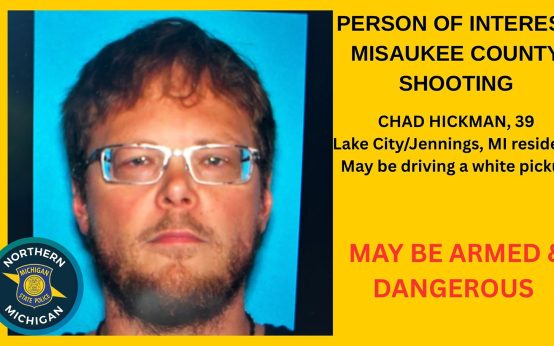 Mass Shooting in Michigan: Details on Suspect Chad Hickman
  Reflections Following the Passing of Professor Jason Arday
 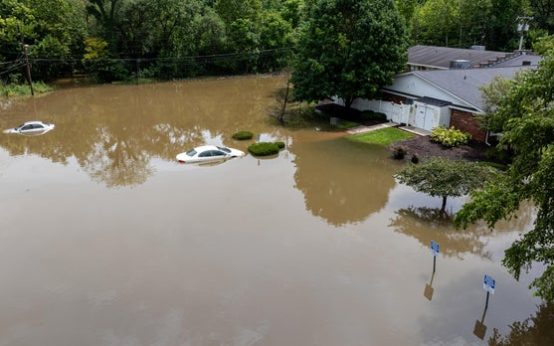 Severe Flooding in Indiana Causes Five Deaths and Major Damage