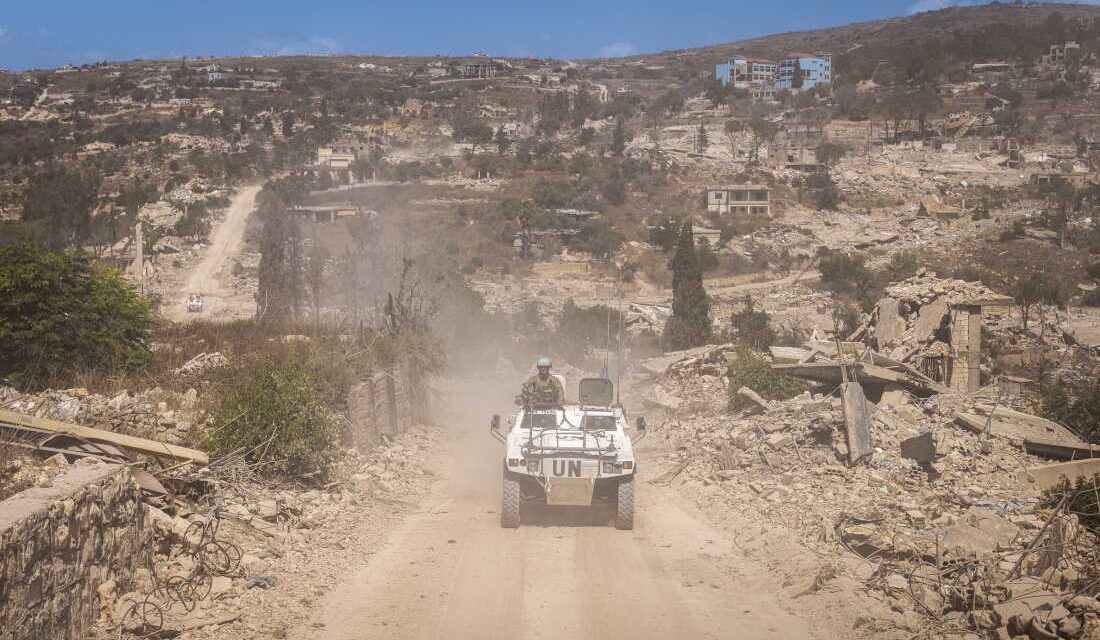
French UNIFIL peacekeepers patrol the terrain beyond the ‘yellow line’, which serves as the boundary for occupying Israeli forces. These patrols occur through the flattened villages of Houla, Kfar Kila, and Odaisseh. Following a U.S.-mediated ceasefire this year, Israel has designated a restricted buffer zone beyond this line. The peacekeepers navigate the altered landscape not due to direct threats but to adjust to a territory reshaped by conflict.
The United Nations Interim Force in Lebanon (UNIFIL) has monitored this area since 1978. It was established to oversee Israel’s withdrawal following its initial occupation of Lebanon. In 2006, the U.N. expanded UNIFIL’s role to include supervising ceasefires between Israel and Hezbollah, a group formed to counter Israel’s re-entry into Lebanon in 1982. As of this year, nearly five decades later, UNIFIL’s mandate is ending due to reservations from the U.S. and Israel, amidst claims of an unresolved ceasefire.
A temporary agreement between Israel and Lebanon initiated a tenuous pause in hostilities that Lebanon says resulted in over 4,300 fatalities and displaced 1.2 million people. This conflict erupted in March when Hezbollah launched rockets at Israel, an act that Israel reports resulted in the deaths of 39 soldiers and two civilians. UNIFIL has documented the deaths of seven peacekeepers since the conflict began.
An historical ‘blue line’—defined by the U.N. for another Israeli withdrawal in 2000 and frequently marked by blue barriers—still marks an unofficial boundary between Lebanon and Israel. Despite its presence, this line no longer accurately reflects the current ground realities. Israeli-controlled restricted zones recall the nation’s 18-year occupation which concluded in 2000, currently excluding Lebanese civilians from their land.
In the midst of this, UNIFIL continues its operations with limitations, such as in the graffiti-marred Fatima Gate seen in Kfar Kila. This area signifies one of the former crossings between Lebanon and Israel, closed following Israeli withdrawal from southern Lebanon.
New lines and changes to access underscore transformations introduced by recent conflicts. UNIFIL has newly resumed access to some zones historically closed due to Israeli presence. Sgt. Audric from the French UNIFIL, who must remain anonymous for security reasons, shares his view: ‘We look forward to freely moving again in these regions.’
The challenges of implementing U.N. Security Council Resolution 1701 are apparent as UNIFIL contemplates withdrawal. This resolution, adopted to conclude the 2006 Israel-Hezbollah conflict, encouraged a lasting security framework in southern Lebanon.
Operating in separate sectors in towns like Mari, UNIFIL’s efforts extend to essential civilian services under the Civil-Military Cooperation initiative. Despite their supportive intentions, these teams face obstacles due to disrupted access, deteriorated infrastructure, and an imposing ‘yellow line’, difficult to visualize yet impactful on civilian life.
The humanitarian implications include restricted access to food, medicine, and agriculture. Father Hani Tawk of Catholic relief organizations reflects, ‘Residents remain isolated, their livelihoods in peril.’ Mayor Salman Abou al-Ola of Mari notes agriculture’s vital role in the community’s economy, lamenting restrictions preventing farmers from working their fields.
Amidst lasting conflict evidence, efforts to resume services face logistical difficulties. Major Jesús Fernández Manchado of the Spanish UNIFIL highlights the continued military-related disruptions on civilian life, resulting in continuous hardship.
Among emerging stabilization strategies are ‘pilot zones’ where control swaps aim to facilitate local Lebanese control and security. In Zawtar al-Gharbieh, civilians like Ihsan Yaghi observe stark contrasts between hopeful returns and evident devastation. Residents like Mahasen Fakih describe sleepless nights due to ongoing conflicts.
For the people in southern Lebanon, returning home represents resilience amidst a landscape transformed by unresolved border disputes and an enduring call for peace. As plans for governance stabilization evolve, residents face daily reminders of the still-active conflict.
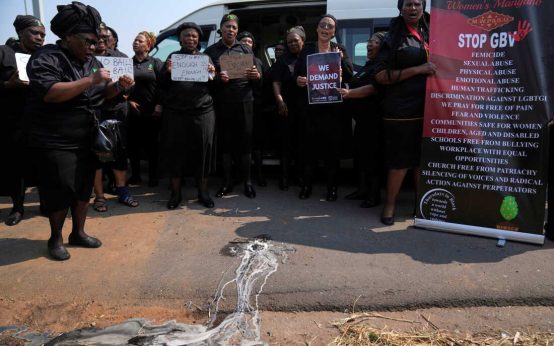 Impact of Gender-Based Violence in South Africa
  Federal Judge Blocks Immediate Demolition of Kennedy Center
 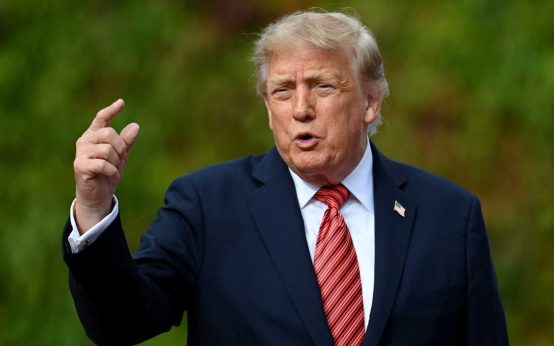 Trump Bans Certain Media Outlets from White House Access
  Understanding the Federal Reserve’s Interest Rate Adjustments
  Federal Judge Maintains Oversight on Maricopa County Sheriff’s Office for Racial Profiling Issues
 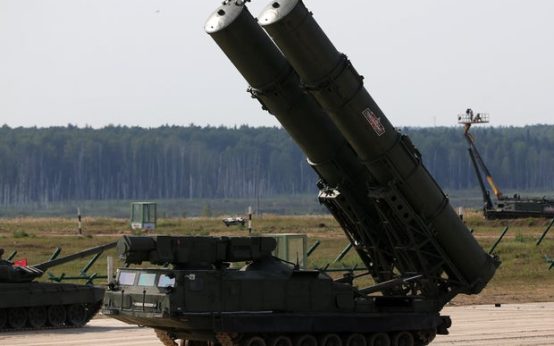 U.S. Approves $2.68 Billion Air Defense Equipment Sale to Ukraine Amid Rising Tensions