More than 400 workers will be affected by the temporary closure of a manufacturing plant in Canada. The American paperboard manufacturer RYAM is closing its facility in Témiscaming, Quebec, due to U.S. tariffs. Operations will cease on September 15, impacting 425 workers.
“This decision is the result of a business environment that has become unsustainable,” a spokesperson for the company said. The tariffs have made it impossible to continue operations under economically viable conditions.
Mari Gauthier, Témiscaming Mayor, described the tariffs as a “nuclear bomb” for industries relying on U.S. markets, labeling the situation an “economic war.”
Trade tensions between the U.S. and Canada have escalated sharply following a breakdown in trade agreement negotiations. On August 22, the Trump administration imposed tariffs of up to 50% on $27.6 billion worth of Canadian goods. This affected agricultural products, manufactured goods, and consumer items, adding to existing duties on steel, aluminum, and automobiles.
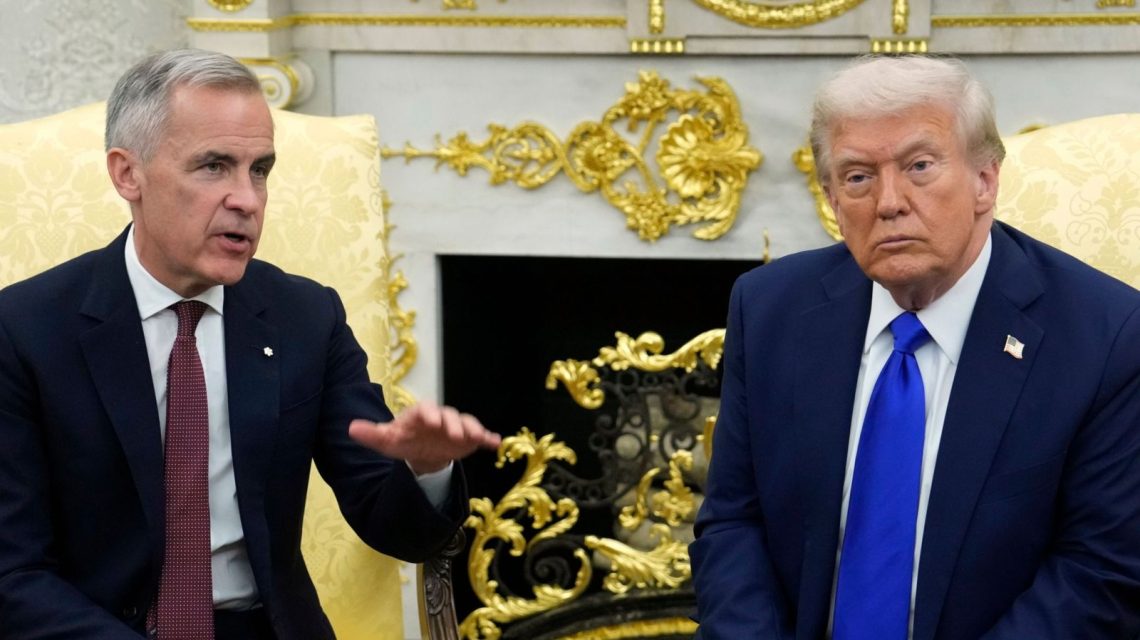
Canadian Prime Minister Mark Carney suspended negotiations, stating the terms sought by Washington were not in Canada’s interests. Ottawa announced a dollar-for-dollar response to the U.S. tariffs. The trade dispute has strained relations between the two countries since President Donald Trump resumed office in January 2025.
The latest tariffs aim to counter what the U.S. views as Canadian discrimination against American exports. U.S. Trade Representative Jamieson Greer accused Canada of restricting American alcohol and vehicle exports while offering preferential dairy access to the EU.
The White House blamed Canada for the negotiation breakdown, stating Ottawa had “unreasonable demands, walk-backs, and flat-out rejection.” Trump offered Canada preferential access and potential tariff reductions on steel, aluminum, autos, and lumber.
Carney explained that Canada had been willing to negotiate, offering to remove retaliatory tariffs if the U.S. reduced its duties significantly. However, he claimed Washington’s proposals were “uneconomic and unfair” for Canada.
Beginning September 8, Canada will impose its own tariffs ranging from 15% to 50% on $27.6 billion in U.S. imports. This includes steel, dairy, appliances, agricultural equipment, pulp and paper, and electronics.
Canada also announced a $7.5 billion support package for businesses and workers affected by the tariffs. “We take this step reluctantly,” Carney said, acknowledging the potential impact on costs and options for Canadians and innocent U.S. industry participants.
The dispute began early in Trump’s second term, following additional tariffs on Canadian imports and energy products. Tensions are high between the neighbors, with political relations deteriorating further. Trump has suggested Canada’s annexation as the 51st U.S. state, a notion firmly rejected by former Prime Minister Justin Trudeau.
Recently, Trump signed an order to rename Lake Ontario to Lake America, prompting strong reactions across the border. Carney stated, “We recognize that America has changed and that our old relationship will not return.”
 Historic Preservation Advocates Battle Changes Threatening Landmark Protections
  Congressional Investments in AI Amid Regulatory Inaction
  Opinion Polls and Their Limitations
  Shared Fear of Mass Shootings and Its Impact on Policy Views
  Somali Community Responds to Federal Raid on Rep. Ilhan Omar’s Residence
  Florida Senate Candidate Angie Nixon Challenges Opponent