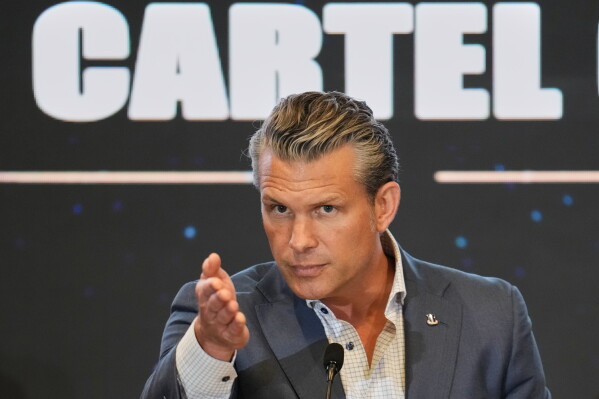
Hundreds have died since the US military began targeting boats allegedly transporting drugs along Latin America’s Caribbean and Pacific coasts. The Trump administration now seeks to extend this to land, proposing agreements to deploy US forces in allied nations throughout the region. Defense Secretary Pete Hegseth announced during a visit to Panama that Colombia, Guatemala, and Honduras have agreed to joint military operations against criminal groups. However, Guatemala denies such an agreement.
Hegseth, during a military exercise in Panama, stated the operation’s goal is to replicate the effects of boat strikes on land. A new phase begins in the Trump administration’s push to influence Latin American governments to align with its security agendas, asserting what it calls “American dominance over the Western Hemisphere.” This shift has accelerated as voters in the region increasingly support Trump-aligned leaders, forming more willing partnerships.
Critics voice concerns over potential civilian casualties and long-term repercussions on US-Latin America relations. Michael Shifter of the Inter-American Dialogue suggests the US is using military strength to impose its agenda unilaterally rather than fostering cooperation.
Escalating from Sea to Land
The US military’s involvement in Latin America includes providing weapons, intelligence, and training to allies against drug trafficking. Yet, since Trump’s 2025 return to office, policy has become more interventionist. His administration has labeled 20 Latin American criminal groups as “foreign terrorist organizations” and initiated significant actions, such as deploying forces into Venezuela to capture its president.
Though over 60 boat strikes have occurred, with over 200 deaths, there’s been scant evidence furnished to substantiate claims that targets were “narco-terrorists.” The legality of these strikes remains questioned but moving to joint operations on land would shift perceptions significantly.
Hegseth shared limited details on Colombia, Guatemala, and Honduras operations but discussed potential US collaboration against armed groups in Colombia, particularly the National Liberation Army (ELN). New Colombian President Abelardo de la Espriella has prompted more US military involvement, reflecting increased tension and threats from local armed factions.
Regional Concerns
Ecuador, despite voters opposing foreign military bases, collaborates with the US in joint raids. However, some strikes have been controversial, like the one in March that destroyed a cattle farm rather than a drug lab, according to a New York Times investigation.
Trump’s regional allies, elected recently for tough-on-crime stances, have been more receptive to US military alliances. Nevertheless, Guatemala remains cautious, with President Bernardo Arévalo denying legal permission for such actions without congressional approval.
Mexico, facing heavy drug transit challenges, has resisted US military interventions. President Claudia Sheinbaum collaborates on securing borders but avoids this escalation. Defense analyst Adam Isacson notes potential discomfort among regional governments with the broad concept of “joint operations,” signaling political and legal complexities.
Limits of Sovereignty
Analysts question if this military approach will yield lasting security improvements. Shifter asserts it mainly showcases power, compounding foreign policy images, and grappling with long-standing regional insecurities. Jeremy McDermott from InSight Crime warns it might not deter groups like the ELN but instead push them into local communities, complicating the situation further.
As US military involvement deepens, public debates in these countries may focus on balancing security needs with national sovereignty. Even Trump’s strongest allies might find their limits reached.
Pete Hegseth’s visit underscores the US’s interest in expanding military collaborations, but varying comfort levels across the region suggest challenges lying ahead.
 Trump Comments on French Student Protests
  Unrest in France Sparks Debate Over Immigration Policies
  Challenges and Future Plans for the Canadian Army
 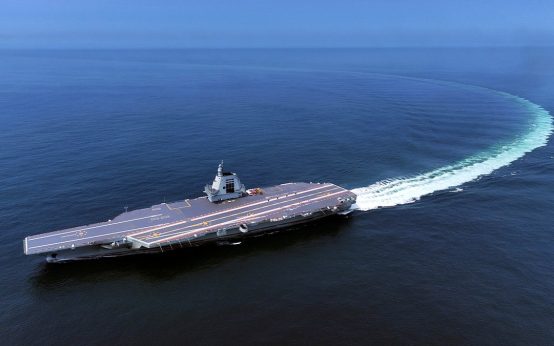 China’s State Visit and the Implications for Trade and Military Growth
 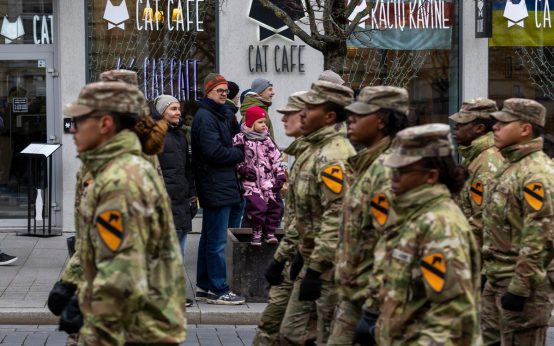 Russia Criticizes U.S. Base and Nuclear Plans in Lithuania
  Trump’s Influence in Latin America: Political Wins and Strategic Moves