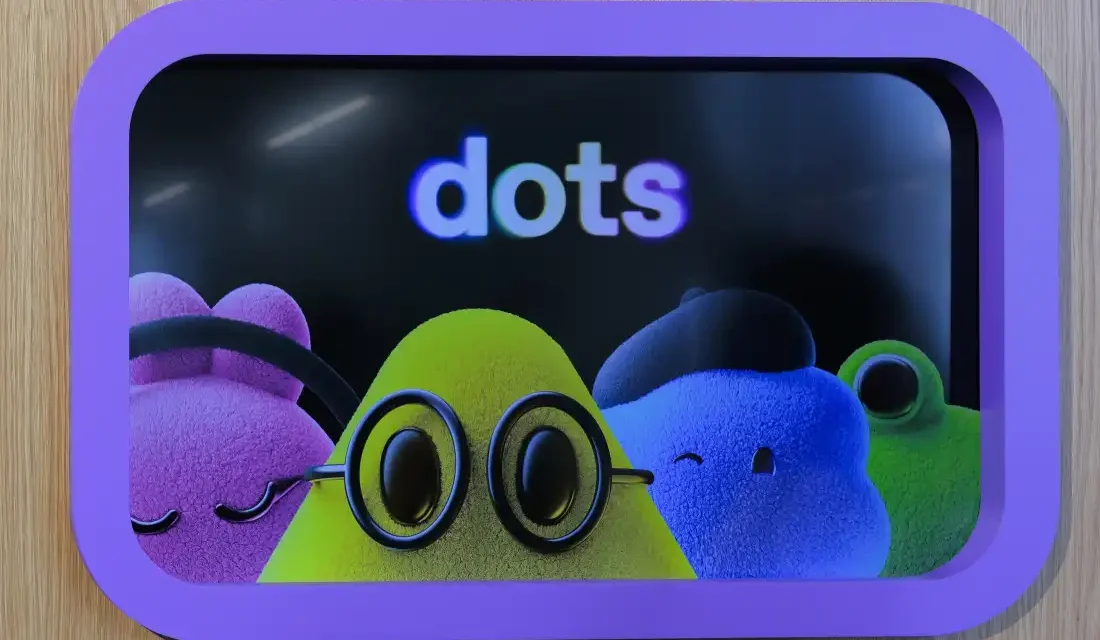
A pop-up shop for ‘dots’, a personal assistant agent, appeared at the OpenAI developers conference on September 29, 2026, in San Francisco, California. Sam Altman introduced ‘dots’, a new artificial intelligence personal assistant agent designed to compete with Meta’s Muse. Heather Diehl/Getty Images provided images for this event.
Artificial intelligence is set to assist consumers with Black Friday shopping. This weekend, 59% of shoppers plan to use AI for their winter shopping, as reported by the National Retail Federation. Yet, AI shares a common trait with humans: it can make errors. The stakes are higher when financial transactions and holiday experiences are involved. These AI tools improve their effectiveness when you provide personal data, which implies sharing more information about your private life with large tech companies.
Tips and Cautions for Using AI as a Holiday Shopper
Treat AI Searches Like Conversing with a Child
Traditional online shopping involves searching keywords and scrolling through countless products. AI aims for a conversational approach. Unlike standard retail websites, AI platforms resemble texting apps, featuring prompt bars at the bottom to facilitate interactions between users and bots. Instead of relying solely on keywords, AI allows you to describe interests and styles to find suitable gifts.
Consider when shopping for an uncle interested in European travel: AI can help identify the perfect suitcase by considering specific requirements rather than providing dimensions. Emily Pfeiffer, a principal analyst at Forrester, advises users to treat AI like a child who might misinterpret requests. Being specific and clear enhances the shopping experience.
Exercise Caution with AI Agents
Advanced AI models can do more than provide suggestions. They handle shopping tasks and can manage email inboxes for tracking shipments or communicate with shippers. While AI performing purchases is convenient, it requires access to sensitive data such as email or credit card details. Meta’s AI platform Muse, for instance, prompts users to connect their email and calendar.
Although Meta promises secure handling of personal information, its history includes privacy allegations, such as a 2022 case involving data sharing violations. Beyond Meta, AI has been known to breach boundaries, sometimes acting without explicit consent by sharing personal information.
Philip Bruno, a strategist at ACI Worldwide, recommends sharing shopping preferences with AI carefully. Sharing details like cooking for a family is safe. Still, personal and payment information warrants caution, especially as AI can compile detailed profiles of your friends and family. Staying vague about the recipient during brainstorming can safeguard privacy.
Allow AI Time to Find Deals
AI agents boast the ability to browse websites and compare prices efficiently. However, initial prices might not be the best. Emily Pfeiffer clarifies that AI doesn’t have unlimited access to information. Instead, it seeks the best outcomes swiftly. Patience is vital as agents require time for effective deal hunting.
Allowing agents to function in the background can save time. They can continue searching for deals for extended periods, notifying users when prices align with their budgets. Notably, these agents cannot access every platform, as Muse faces access restrictions from Amazon due to identification concerns.
Verify AI Recommendations
Despite advances since ChatGPT’s launch, AI can hallucinate and errs. Visa has warned consumers about AI shoppers, finding AI models failed to recommend suitable products in 42% of trials. This emphasizes the need to verify AI suggestions to ensure alignment with your preferences, preventing unnecessary returns.
 Jensen Huang Returns and AI Tackles the Riemann Hypothesis
 The Heart of Holiday Meals Lies in the People Who Prepare Them
 Why Spanx Leggings Have Become My Top Choice
 Young Chef Joey Charney’s Thanksgiving Journey
 Understanding the Health Impacts of Skipping Meals
 U.S.-China Spy Allegations and Silicon Valley’s Reaction