Shift in Economic Sentiment
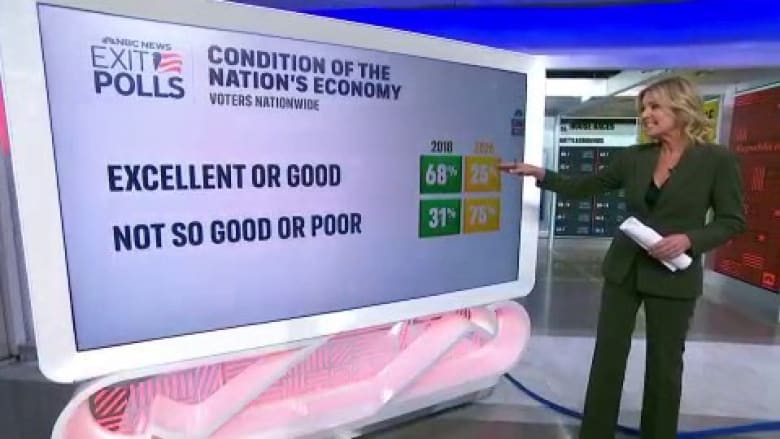
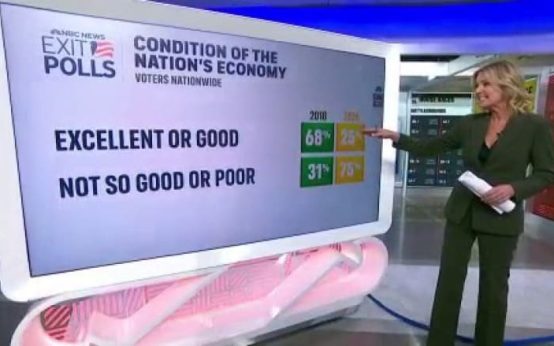
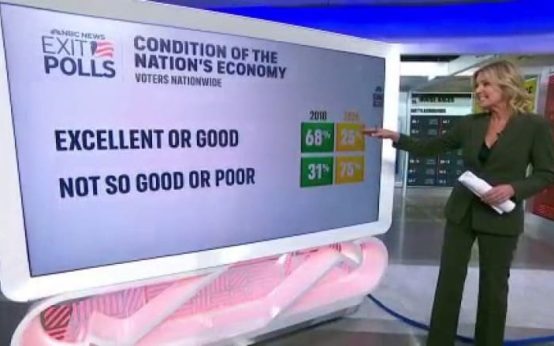
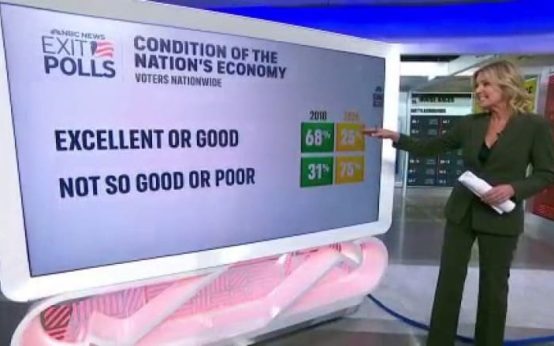
In 2018, during Trump’s first term, a substantial 68% of American voters regarded the U.S. economy as excellent or good, according to exit polls. This favorable view changed drastically during the recent midterms, with only 25% maintaining that positive outlook. A significant 75% now label the economy as not so good or poor, highlighting a reversal in perceptions.
This change in sentiment extends to personal finances. Back in 2018, 85% of voters reported their family’s financial situation as better or unchanged compared to two years earlier. Now, 82% feel their financial situation has worsened or remained stagnant.
Impact of Rising Prices
Consumer prices have seen a sharp increase, rising faster than paychecks. Over the past year, inflation has climbed to 3.7%, outpacing a 3% wage growth. Consequently, families spent $1,988 more on basics like food and housing in 2025 than they did in 2024, creating financial strain.
Many voters — over 60% — attribute these price hikes to Trump’s policies, with his tariffs being particularly criticized. Nearly two-thirds suggest these tariffs have damaged both the national and local economies.
Voter Concerns and Election Outcomes
NBC News Exit Polls reveal voters’ dissatisfaction with Trump’s economical management, citing issues like gas and grocery prices. Approximately 44% of voters reported being financially worse off than two years ago, while only 18% claimed improvements.
Voters expressed immense concern about the cost of living, with 79% noting inflation was causing significant hardship. A large segment blames Trump, with many believing his policies, including his tariffs, have negatively impacted the economy.
State-Level Insights from Texas
Interviews with Texas voters reveal mixed opinions on party preferences and economic management. For instance, Cindy Bonilla, a nurse who recently became a citizen, prioritized public school funding and healthcare improvements, voting Democrat. Conversely, Curtis Lorn mostly voted Republican, expressing distrust toward Democrats.
Texas voter Charlie Beal expressed worries over costs affecting future generations, criticizing Republican Governor Abbott’s immigration policies. Ultimately, Texan voter choices reflect concerns over a stagnant economy and political divisiveness.
Democratic Lead in Indiana
Positive early voting data from Hamilton County, Indiana shows Democratic nominee J.D. Ford leading GOP Rep. Victoria Spartz by 27 points, with Ford at 63.6% of early votes. While early voting doesn’t guarantee ultimate outcomes, this indicates Democratic momentum, aiming to overturn previous narrow contests.
Alaska’s Record Early Votes
In Alaska, an unprecedented number of early votes — 105,423 — have been recorded, surpassing 2022 figures. The fierce Senate battle involves Democrats, Republicans, and independents vying for critical senatorial positions.
Views on Political Parties and Key Concerns
Recent unease surrounds Artificial Intelligence (AI) and data centers. Many voters express concern over AI causing societal harm. Meanwhile, 76% oppose new data centers in their community, reflecting privacy worries. The exit poll further highlights divided opinions between Democratic and Republican parties regarding solutions to corruption and AI challenges.
Younger Voter Perspectives
Younger voters under 30 lean toward socialism over capitalism, acknowledging affordability obstacles. Raised concerns include emphasizing economic solutions amidst a challenging political landscape.
Michigan’s Influence on Senate Seats
In Michigan, voters supporting Abdul El-Sayed cited economic issues and shared values as decision-making factors. Voters like Aimon Islam emphasized affordability concerns, indicating desires for political reform and economic relief.
 Election Day Developments Across the United States
 Polling Updates and Voter Concerns as Midterms Progress
 California’s Billionaire Influence in the 2026 Election
 Voter Sentiment on Economy, Policies, and Local Elections
 Widow of Air Force Major Votes Against ‘Illegal’ War, Supports Doug Jones
 AI Firms and Election Day Vigilance