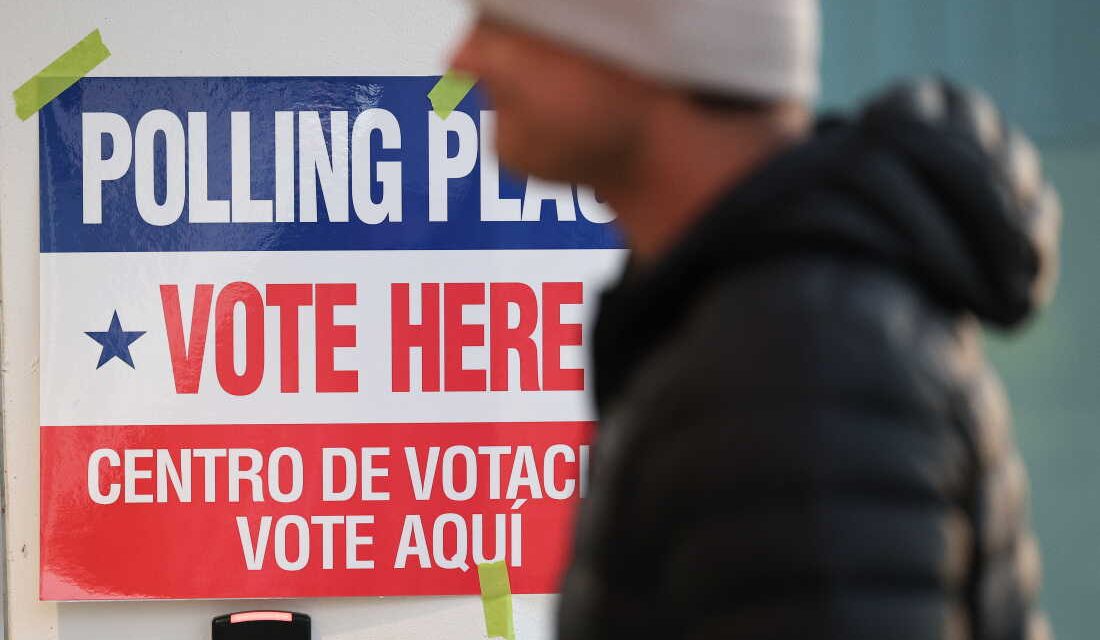
Voters gathered at polling locations, such as in Arlington, Virginia, on April 21. Carly Koppes, an election official in Weld County, Colorado, highlighted the unprecedented uncertainty surrounding the elections this year. She is among officials who note voter confusion about the process and concerns over federal interference.
In a recent period, voters faced tumultuous times. An executive order by President Trump aimed to limit mail voting. However, after a series of legal challenges, the Supreme Court halted the order, leaving mail voting rules unchanged. Despite this, some voters remain puzzled and worried about federal implications.
University of California San Diego research indicates less than half of voters anticipate the midterms to be fair. An NPR/PBS News/Marist poll, however, finds that three-fourths of voters trust their local officials to conduct fair elections.
Concerns center on two areas in particular. First, 40% of voters expect immigration officials at polling sites, despite federal laws prohibiting armed federal agents at these locations. Second, a recent ruling against Trump’s mail ballot proposal led to a 13-point drop in the number of voters expecting timely mail ballot delivery, compared to two years ago.
A survey by the Partnership for Large Election Jurisdictions found that 62% worry about potential legal or political disputes over election rules impacting their ballots.
Stephanie Thomas, Connecticut’s Secretary of State, shared voter concerns. She noted that many voters express fears, even if they cannot articulate specific reasons. Simon, Minnesota’s Secretary of State, discussed the challenge of informing and reassuring voters while avoiding unnecessary alarm.
Voter turnout at midterms is typically lower than during presidential elections. Political scientist Lauren Prather from UC San Diego mentioned the unclear relationship between confidence in elections and turnout rates. Recent cycles have seen high turnout, potentially due to both sides still perceiving elections as achievable.
Brendan Nyhan from Dartmouth College suggests that while concerns might boost turnout as communities mobilize, a lack of trust can pose democratic risks. He warns that distrust provides an opportunity for elites to contest and delegitimize election results, threatening the democratic process.
 Potential Breakthrough in Permitting Reform
 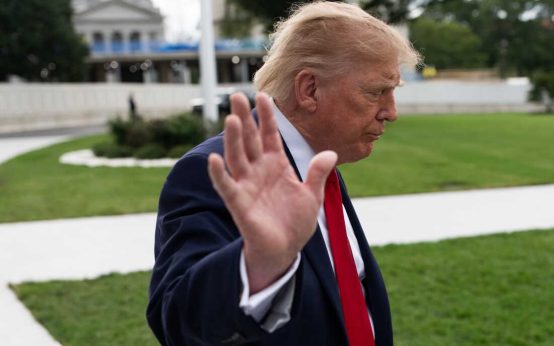 Trump Rejects Iranian Proposal to Reopen Strait of Hormuz
 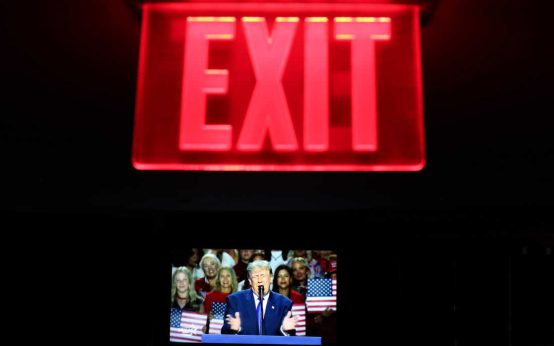 Republican Candidates Break from Trump’s Agenda Amid Upcoming Elections
 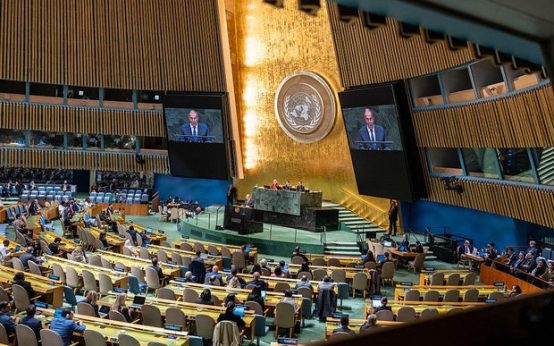 Escalating Tensions at the UN: Russia Accuses Europe of Blocking Peace Plans
  Senate Democrats Question if Kennedy Struck Deal in Vaccine Lawsuit
  Trump’s Beef Import Policy Impact on Approval Ratings