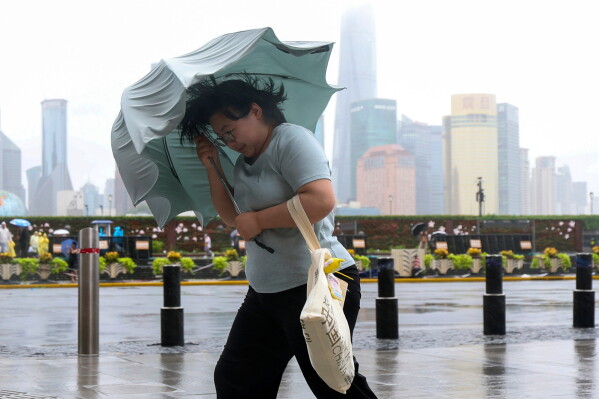
Western Europe has experienced unprecedented heat waves this summer, surpassing average temperature records for June and July previously set in 2022. The European climate agency, Copernicus, attributes these extreme heat conditions to various factors.
Heat and Climate Impact
The surge in temperature began in May, leading to significant wildfires, water shortages, and new national temperature highs. These conditions have also contributed to thousands of expected heat-related fatalities. This year ranks as the third hottest globally, preceded only by 2024 and 2025. However, there is potential for 2026 to reach or surpass these records before the year’s end.
El Niño’s Influence
Human-induced global warming combined with El Niño has increased the probability of 2026 becoming the hottest year on record. El Niño, which involves periodic warming of certain Pacific regions, affects global temperatures and weather patterns.
Oceanic Temperature Records
In July, the average sea surface temperature in areas without seasonal sea ice reached 20.96 degrees Celsius (69.73 degrees Fahrenheit). This surpassed the 2023 record of 20.89 C (69.60 F), as reported by Copernicus. El Niño conditions developing in the equatorial Pacific contributed to this rise.
Air Temperature Patterns
Globally, the average surface air temperature in July was 16.90°C (62.42 F), making it the second warmest July on record, tied with July 2024. In Western Europe, the average temperature for June-July was 21.62°C (70.92 F).
“Persistent high-pressure systems trapped heat over western Europe, and the extreme temperatures also amplified widespread drought,” noted Samantha Burgess from the European Centre for Medium-Range Weather Forecasts.
Burgess explained that as soil dries, its capacity for natural cooling diminishes, enabling heat to accumulate more easily. She emphasized that these conditions illustrate how climate change is exacerbating heat events.
 The Impact of Tibet-Nepal Floods and China’s Role
  Underwater Discoveries: Exploring the Lost Town of Shipden
 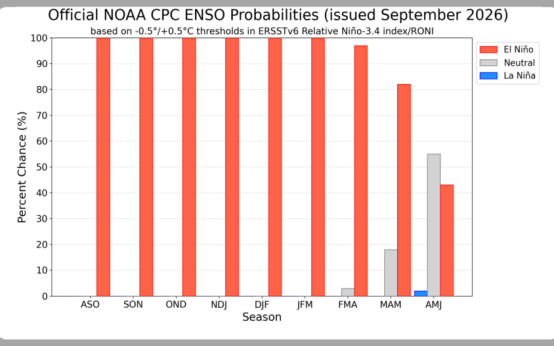 El Niño Forecast: Long-lasting and Powerful Impacts on Weather Patterns
  Nor’easter Pummels U.S. East Coast with Heavy Rain and Strong Winds
  Oregon’s Wildfire Crisis Calls for New Solutions
  Microplastics in the Great Lakes: A Growing Concern