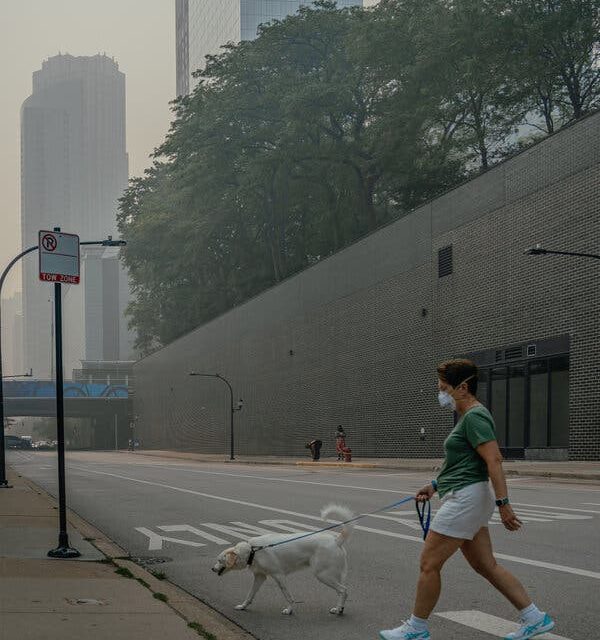
Smoke from wildfires in Ontario, Canada, and Minnesota continued to affect the skies over parts of the Midwest on Sunday, extending into the Northeast and Mid-Atlantic. Forecasters predicted some of the worst conditions across the Great Lakes region, with air quality alerts issued for the area.
The smoke’s movement was expected to change throughout the day. On Saturday, thunderstorms and rain helped clear some smoke in the Northeast, providing temporary relief. However, areas in the upper Midwest, such as Wisconsin and Northern Illinois, saw increased smoke, which began moving toward the Ohio Valley and could reach the East Coast later on Sunday. Despite this spread, pollution levels in the Northeast were unlikely to reach previous highs.
We’re starting to tap into cleaner air from eastern Canada,” said Richard Bann, a meteorologist with the Weather Prediction Center, “and we’ll start to get some of that in the Northeast.
Air quality alerts remained in place for parts of the Northeast and Mid-Atlantic, including areas in western and central New York and western Maryland. Little change in conditions was expected on Monday. Frank Pereira, another meteorologist at the Weather Prediction Center, noted that high concentrations of smoke were still anticipated in parts of the Great Lakes, especially in Michigan, Northern Illinois, and Indiana. Relief was forecasted as a strong system bringing widespread rain was expected to arrive later on Monday, potentially clearing the air.
However, this improvement could be short-lived. Pereira warned that northwesterly winds from central Canada might bring more smoke into the Great Lakes and Northeastern United States by midweek.
Additional Information on the Wildfires
- Over 900 wildfires are burning across Canada, with significant activity in Ontario, the source of much of the smoke affecting the Great Lakes and the U.S.
- Wildfires in northern Minnesota also contribute to the smoke levels.
- Scientists link wildfire smoke to tens of thousands of deaths annually, with human-induced climate change increasing the frequency and intensity of wildfires.
Amy Graff and Nazaneen Ghaffar are reporters for the Times covering weather and environmental events.
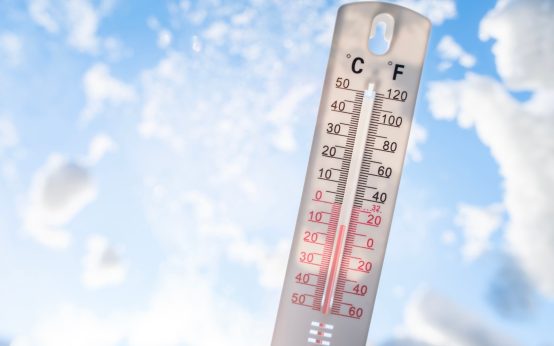 Cold Weather Alerts and El Niño Influence
 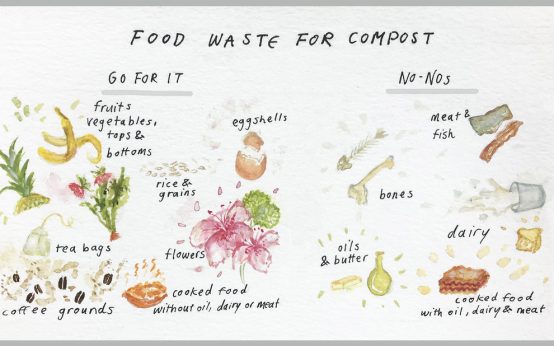 Turning Home Food Waste into Compost: A Guide
  Chicagohenge: When Sunlight Aligns with City Streets
  Fat Bear Week 2026: A Look at the Contest and Its Competitors
  California Governor Declares Statewide Emergency Ahead of El Niño Storms
 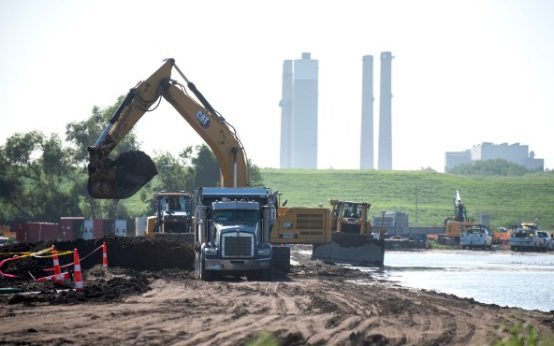 EPA Rollbacks and the Impact on Indiana Communities