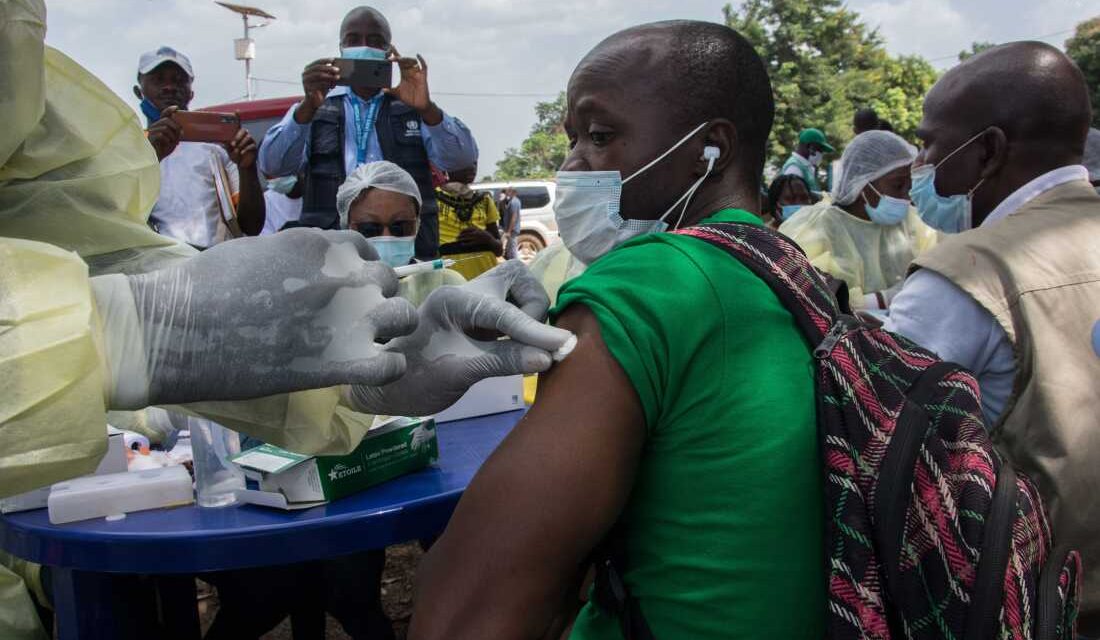
On February 23, 2021, a health worker from the Guinean Ministry of Health was seen preparing to administer an anti-Ebola vaccine in Gueckedou, Guinea. This action followed a new Ebola outbreak, posing a significant health threat. The first Ebola vaccine gained approval in 2019, three years after a devastating outbreak in West Africa claimed over 11,000 lives. This vaccine targets a different Ebola species than the one found in the Democratic Republic of Congo and Uganda. Researchers believe the approved vaccine, Ervebo, might not be effective against the Bundibugyo species of Ebola, for which no vaccines or treatments currently exist.
Two global vaccine non-profits are now investing over $100 million to develop a vaccine for the Bundibugyo strain. The Coalition for Epidemic Preparedness Innovation (CEPI) pledged approximately $62 million to accelerate research for three vaccine candidates. Additionally, Gavi, a global vaccine alliance, committed $40 million to create a market for a vaccine if it proves effective and safe.
Nicole Lurie, the executive director for preparedness and response at CEPI, highlights the deadly nature of Ebola and the importance of matching vaccines to the specific strain. Recognizing the need for urgency, her team started exploring Bundibugyo-specific vaccines in development to speed up the process.
While financial commitments are significant, it will take months to determine vaccine efficacy and safety. Yet, considering the current outbreak is among the largest, any successful vaccine could be impactful. Anaïs Legand, a WHO technical officer, emphasized the commitment to fast-track candidate vaccines, which still require testing, including ethical clinical trials.
“We are very happy to see commitment to fast-track candidate vaccines,” Legand noted during a press briefing. “They will still need to undergo testing.”
The U.S. historically played a major role in researching vaccines during outbreaks. However, recent administrative changes have shifted its role. Elizabeth Higgs, a former director at the National Institute of Allergy and Infectious Diseases (NIAID), noted that the U.S. Division of Clinical Research played a vital part in past vaccine trials, but that division is now dismantled. Higgs, currently advising WHO, believes the global community is adapting well to fill this gap.
Three organizations— IAVI, the University of Oxford, and Moderna—are receiving CEPI funds to develop their vaccine candidates. Each of these vaccines has distinct advantages and challenges in terms of development speed and approval.
IAVI, backed by up to $3.2 million, is furthest in testing. Their vaccine utilizes vesicular stomatitis virus (VSV) to instruct the immune system to recognize the Bundibugyo Ebola virus. This method is similar to the approved Ervebo vaccine. Researcher Thomas Geisbert, involved in developing this vaccine, demonstrated its effectiveness in monkeys back in 2007. Subsequent tests showed success even when administered shortly after exposure, a crucial feature given Ebola’s rapid spread.
The University of Oxford’s candidate, supported by up to $8.6 million, uses a strategy similar to the Oxford/AstraZeneca COVID-19 vaccine. Partnering with the Serum Institute of India, they aim to have doses ready sooner but have not yet conducted animal studies.
Moderna is receiving up to $50 million to develop an mRNA vaccine against Bundibugyo. Previous studies showed this approach provided full protection in guinea pigs against a different Ebola species but required two doses.
Conducting clinical trials in areas such as the Democratic Republic of Congo or Uganda involves multiple challenges. Distrust in vaccines created by misinformation, coupled with regional conflicts, complicates efforts. CEPI emphasizes the need to engage communities to facilitate effective trials.
Higgs points out the proactive steps currently underway to ensure trials will be rigorous and efficient in measuring safety and efficacy.
“We’re doing everything we can to establish trials that are going to quickly and rigorously assess the safety and efficacy of these candidate products,” she stated.
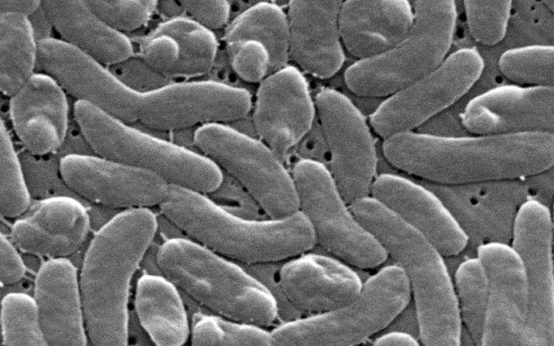 Rising Cases of Vibrio Vulnificus Infections in Louisiana and Florida
  Ethan Suplee’s Approach to Weight Loss and Sobriety
 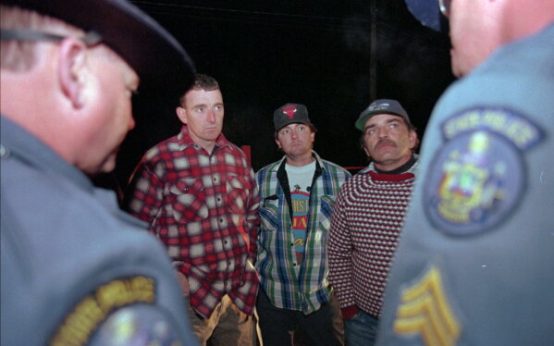 MaineHealth to Close Lincoln Hospital Maternity Unit Despite Community Opposition
 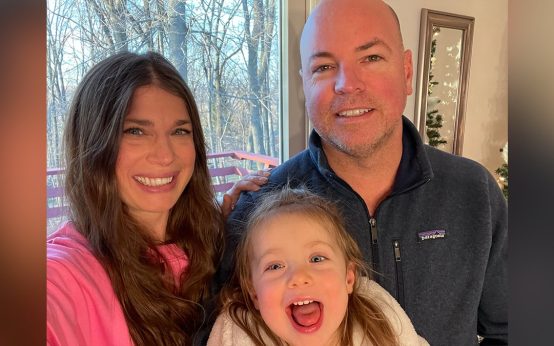 A Personal Journey with Cancer: Strength, Family, and Hope
  Coping With Cancer: A Personal Journey
  Challenges in Distributing Drug Test Strips Amid Federal Policy Changes