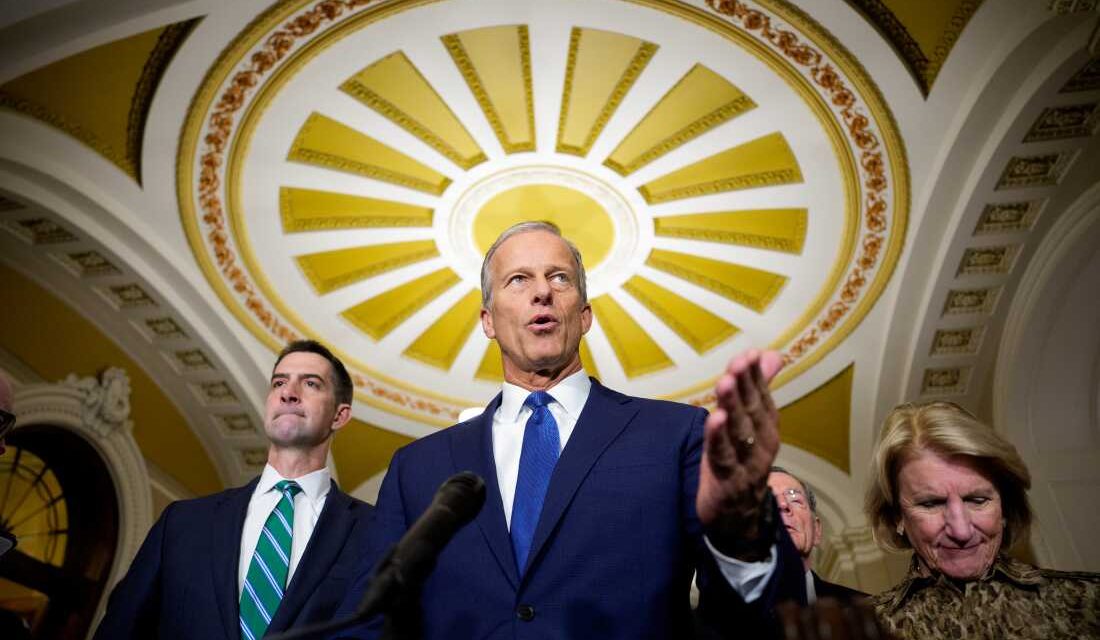
The Republican-led SAVE America Act, an election reform proposal endorsed by former President Trump, did not pass in the Senate. The defeat took place on Thursday during ongoing discussions about an immigration funding package. Although the House passed a similar version in February, the Senate did not support it.
The proposed legislation aimed to implement immediate changes despite ongoing congressional primaries. A major provision required voters to verify their U.S. citizenship with documents like a passport or birth certificate during registration. Research indicates that numerous Americans cannot easily access such documents. Experts argue this requirement is unnecessary, as noncitizen voting in U.S. elections is nearly nonexistent.
“The alleged sin that it is trying to correct happens so infrequently that it really does seem like the solution would be much, much worse than the disease,” said Georgetown law professor Steve Vladeck in an NPR interview.
Despite the evidence, Trump championed the SAVE America Act, portraying it as a solution to what he claimed was widespread election fraud. He urged Congress to prioritize this legislation above all else, accusing Democrats of opposing it to facilitate cheating.
Trump expressed his support for the act extensively online, including a statement on Thursday asserting he would not approve other legislation before it passed. He suggested that the act “supersedes everything else.” Following Trump’s lead, some Republicans contemplated ending or bypassing the legislative filibuster to promote the act. However, Senate Majority Leader John Thune, R-S.D., acknowledged the lack of sufficient Republican backing for such actions.
“It’s about the votes. It’s about the math,” Thune told reporters. “And I’m — for better or worse — I’m the one who has to be the clear-eyed realist about what we can achieve here.”
The act also proposed requiring photo identification for voting and using a Department of Homeland Security system that mistakenly flags U.S. citizens for voter registration. Traditionally, Republicans opposed nationalizing voting procedures. Yet Trump advocated for nationalizing them. Derek Muller, a University of Notre Dame law professor, noted that had it passed, the SAVE America Act would have represented a substantial shift towards election nationalization.
Although the act failed, Muller suggested its introduction has altered the debate about election nationalization. “It does strike me that the debate has shifted from whether to nationalize elections to how, at least for many Republicans,” Muller wrote in March. This dialogue could simplify future discussions for Democrats when they regain power.
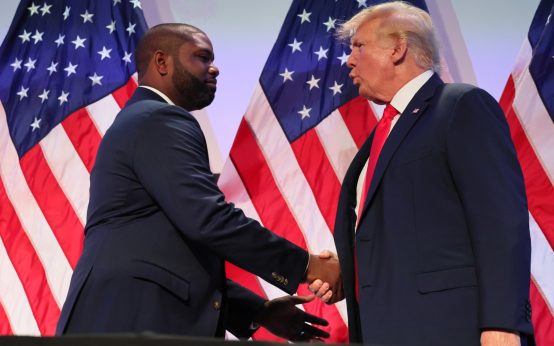 Florida Governor Race: Byron Donalds Adjusts Campaign Approach
 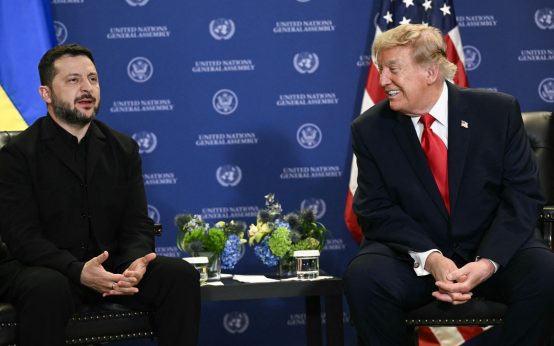 Trump Meets Zelensky and Plans for U.S.-China Relations
  Tight Senate Race in Maine as Susan Collins Faces Criticism
 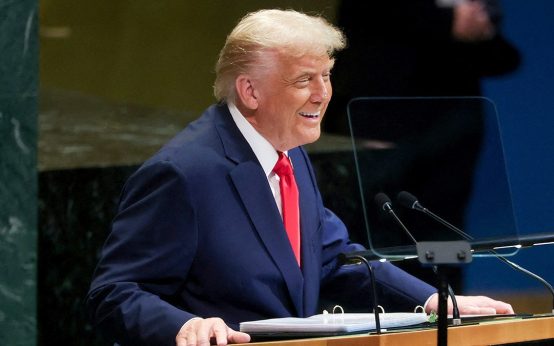 Trump’s Vision on Iran, AI, and Global Security at the UN
  Noncitizens Charged with Voter Fraud in the U.S.
  Nevada Attorney General Faces Questions Over Clemency Support for Convicted Killer