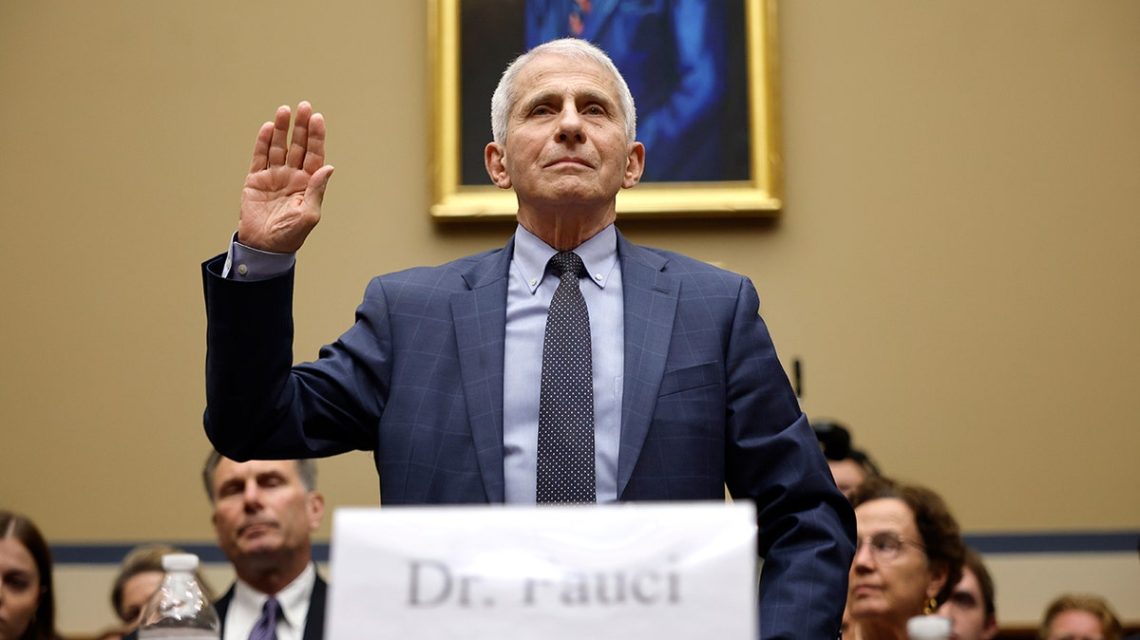
Contempt of Congress typically arises when someone refuses to testify before a House or Senate committee or declines to provide requested documents and information. This situation often involves subpoenas.
The Senate Homeland Security and Governmental Affairs Committee voted to hold Dr. Anthony Fauci in contempt of Congress for refusing to answer questions during a hearing. Republican senators argue Fauci was obligated to testify, particularly after a pardon from President Joe Biden. Fauci, however, invoked the Fifth Amendment, declining to answer 111 times, using the same twenty-one words each time.
“On the advice of counsel, I respectfully decline to answer based upon my rights under the Fifth Amendment of the Constitution,” stated Fauci.
Some Democrats view the contempt charges as a Republican maneuver. Sen. Maggie Hassan, D-N.H., suggested the intention was to catch Fauci in a misstatement and provoke a criminal charge post-pardon.
The committee’s action, an 8-5 vote to hold Fauci in contempt, fell along party lines. Sen. Rick Scott, R-Fla., backed the decision, asserting Fauci is the right person to hold in contempt.
Senate Homeland Security Committee Chairman Rand Paul, R-Ky., plans to take the decision to the Attorney General and the district court in Washington, D.C. This move bypasses the usual Senate vote for Justice Department referrals.
Sen. Gary Peters, D-Mich., warned that criminal contempt is punitive and could lead to a dangerous precedent, undermining congressional oversight.
With Republicans in Senate control, achieving the 51 votes needed to hold Fauci in contempt is uncertain. The difficulty increases given the near impossibility of gathering 60 votes to overcome a filibuster on this resolution.
Democrats argue that Paul’s methods are out of order. Sen. Richard Blumenthal, D-Conn., noted the high improbability of court approval, mentioning constitutional rights violations.
Fauci’s attorney, David Schertler, claimed Paul aims to “weaponize the Justice Department.” During the inquiry, Democrats accused Republicans of excluding them from witness interviews, a charge Republicans denied, stating Democrats ignored access invitations.
The Senate’s ongoing investigation includes access to a Health and Human Services phone used by Fauci during the pandemic.
Recent developments after Fauci’s testimony include the dropping of charges against David Hearn by U.S. Attorney Jeannine Pirro, raising questions about her potential prosecution of Fauci.
The prosecution decision ultimately rests with new Attorney General Todd Blanche. Sens. Lisa Murkowski, R-Alaska, and Susan Collins, R-Maine, expressed opposition to Fauci, affecting the Republican vote margin. Sen. Bill Cassidy, R-La., was a crucial vote, emphasizing concerns about political prosecution cycles but supported Blanche’s confirmation.
Democrats argue that prosecuting Fauci would exemplify the political weaponization of justice.
 Lukashenko and Putin’s Unique Relationship and Belarus’ Strategic Role
  Harris Discusses Potential 2028 Presidential Run
  Far-Left Groups Allegedly Organize Protests in Austin
 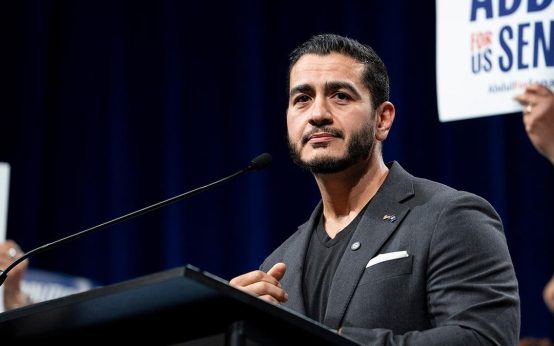 Michigan Senate Nominee Abdul El-Sayed Criticized for Remarks on Reproductive Rights
  AFL Investigates Fairfax County Schools’ 9/11 Teaching Guidance
 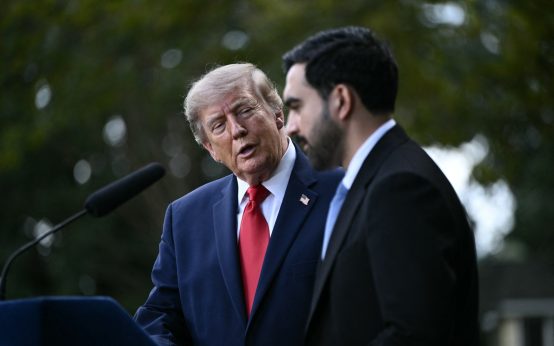 Poll Reveals Voter Preferences Between Socialist Democrats and MAGA Republicans